
Trailers For Sale in California
Browse trailers for sale in California, including dry vans, tank trailers, and specialty units with specs for freight, fluid, and regional hauling.
Learn morePopular Trailers Categories
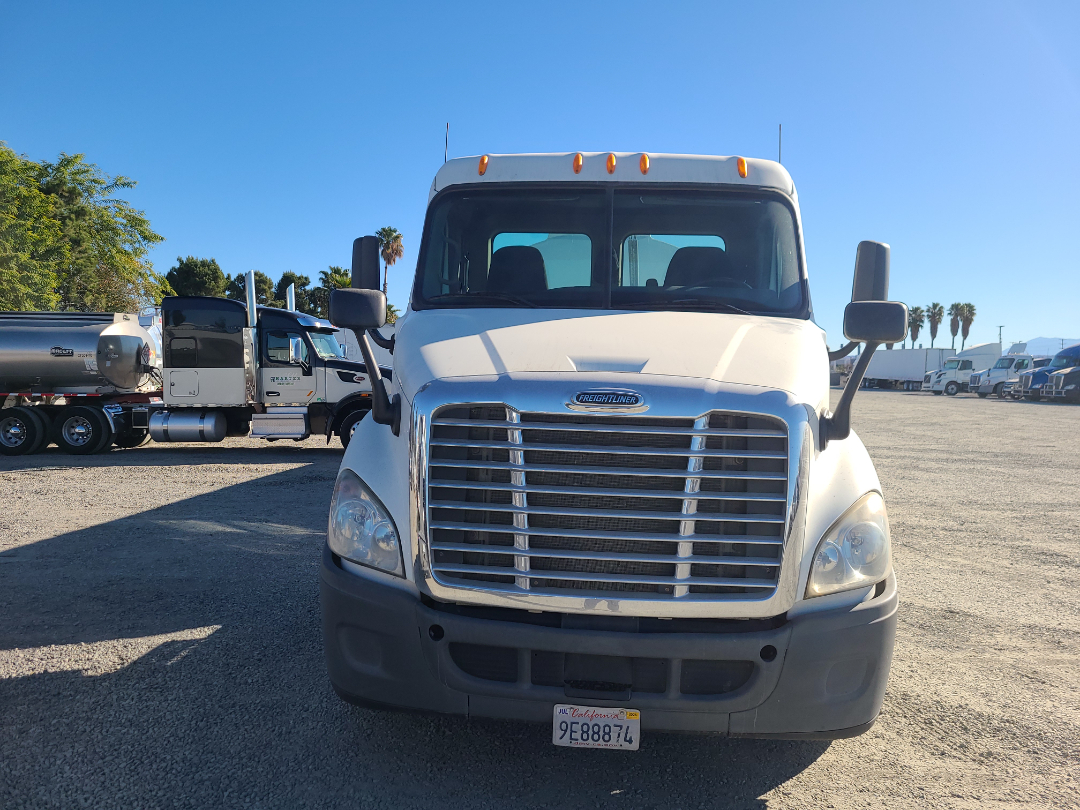

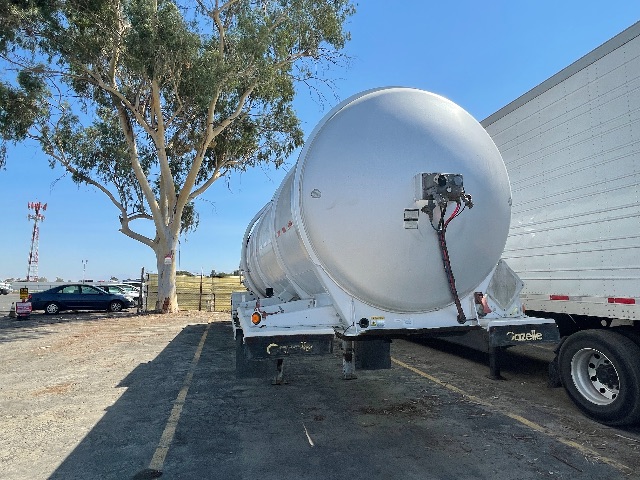
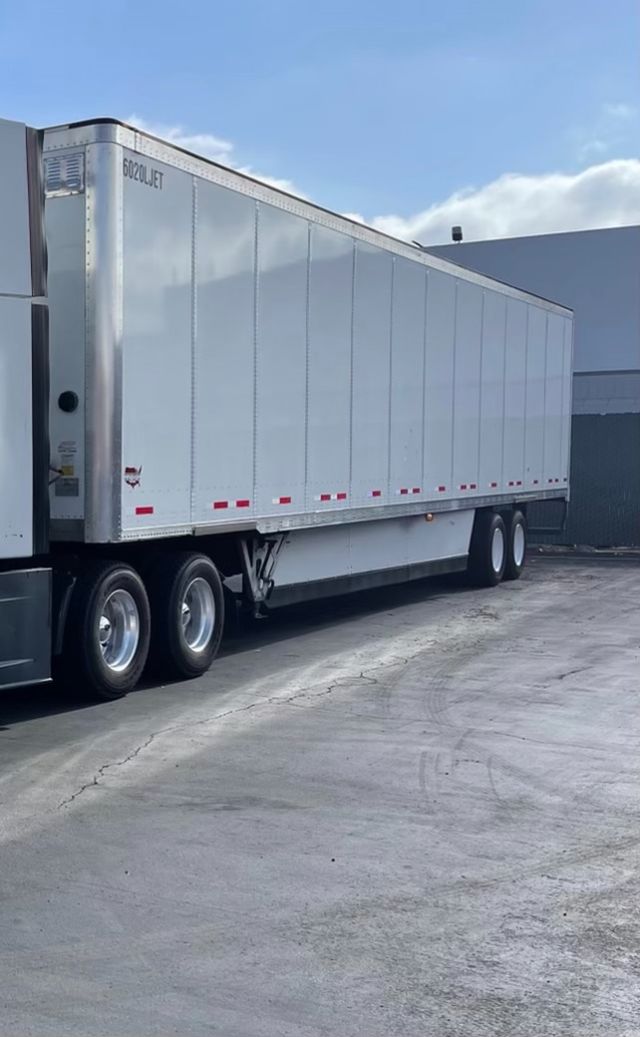
Showing 25 to 28 of 28 results
Have trailer to sell? List it here to reach thousands of buyers.
About Trailers in California
Dry vans remain the standard for palletized freight, retail goods, packaged food, and other protected cargo that does not require temperature control. Buyers should pay close attention to floor condition, sidewall integrity, roof condition, rear frame wear, and door hardware, especially on used units that have seen heavy dock contact. In California, a 48-foot van can still make sense for local and regional work where maneuverability and dock access are bigger priorities than maximum cube. Suspension type also affects cargo protection and maintenance planning, with air ride still the preferred choice for many freight applications.
Tank trailers require a different buying approach because commodity compatibility, compartment layout, and current inspection status are more important than general trailer age alone. A petroleum or crude oil trailer may be configured as a single compartment or multi-compartment unit, with gallon capacity, baffling, discharge setup, and material construction all affecting how it can be used. Buyers should verify test and inspection records, lining or barrel condition when applicable, brake specifications, axle ratings, and valve equipment before putting a tank trailer into service. In California, emissions and operating rules may focus more on the power unit than the trailer, but compliance, placarding, and intended commodity still need to be matched carefully to the job.
Across trailer categories, the most useful comparison points are length, width, suspension, door style, floor type, kingpin setting, tire condition, brake system, and overall structural condition. On tank trailers, add capacity, compartment count, pump or gravity discharge configuration, and inspection documentation to the top of the list. A strong trailer purchase is less about brand alone and more about how the specs line up with the freight, the lane, and the loading environment. Buyers comparing trailers for sale in California should focus on application fit first, then on wear items and compliance details that affect uptime from day one.
Frequently Asked Questions
What types of trailers are most commonly used in California freight operations?
Dry van trailers are among the most common because they handle a wide range of palletized and boxed freight and fit standard dock operations. Tank trailers are also widely used in California for fuel, chemicals, liquid bulk, and certain petroleum-related applications. The right trailer type depends on cargo protection needs, loading method, delivery environment, and whether the operation is local, regional, or long-haul.
What should I inspect first on a used dry van trailer?
Start with the floor, roof, sidewalls, rear frame, doors, suspension, brakes, and tires. Floor damage, roof leaks, cracked side posts, and worn rear door hardware can create immediate operating problems. Sliding tandem function, air ride condition, and signs of heavy dock impact are also important because they affect safety, maintenance cost, and day-to-day usability.
What matters most when buying a used tank trailer?
Commodity compatibility, compartment configuration, gallon capacity, current inspection status, and valve condition are critical. A tank trailer must match the product being hauled, and that means checking the barrel material, internal condition, discharge equipment, and any required testing records. Buyers should also confirm axle ratings, brake system condition, and whether the trailer is set up for the intended loading and unloading process.
Is a 48-foot trailer or a 53-foot trailer better for California routes?
A 53-foot trailer is usually the better choice for maximizing payload cube in standard freight service, especially on established highway lanes and warehouse networks. A 48-foot trailer can be a smart option for tighter delivery areas, older facilities, or operations that value maneuverability over maximum capacity. The best choice depends on customer docks, route density, commodity type, and how often the trailer will be used in urban settings.
Why is sliding tandem important on a van trailer?
Sliding tandems help adjust axle weight distribution and improve compliance with bridge and axle laws. They also give operators more flexibility when balancing freight and positioning the trailer for loading docks. On used vans, buyers should make sure the tandem slider moves freely, locks properly, and does not show excessive wear in the rails or pins.