
Crude Oil Trailers For Sale in California
Shop crude oil trailers for sale, including MC-306 and DOT 407-style tanks built for petroleum hauling, vapor control, and safe bulk transfer.
Learn moreBrowse Crude Oil Trailers by Make
Have crude oil trailer to sell? List it here to reach thousands of buyers.
About Crude Oil Trailers in California
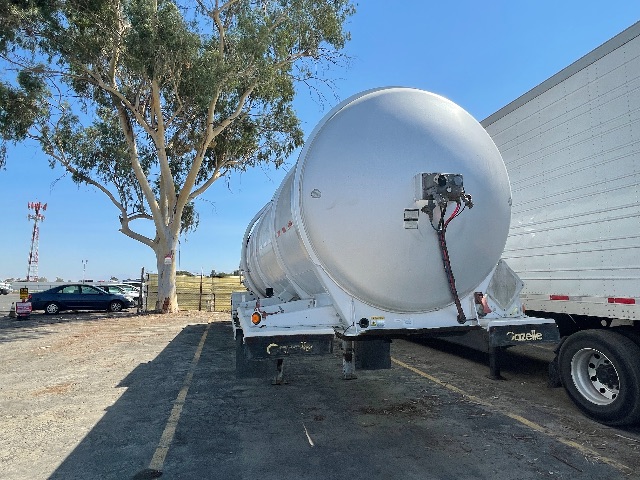
A single-compartment crude trailer is common when the goal is maximum payload and straightforward loading and unloading. Multi-compartment configurations can make sense when operations need segregation, blend control, or more flexibility across different pickup points. Key specs include barrel or gallon capacity, axle rating, suspension type, frame design, manway arrangement, internal baffling if equipped, and discharge plumbing. Buyers should also look closely at product lines, valves, emergency shutoff systems, overfill protection, hose trays, catwalk condition, and overall tank shell integrity. For California use, emissions-related requirements, vapor control expectations, and terminal-specific compliance standards can be especially important before purchase.
The age and service history of a crude oil trailer matter as much as the basic spec. Petroleum service puts attention on inspection status, repair documentation, thickness testing, brake condition, wheel-end maintenance, and the condition of seals, gaskets, and loading components. A trailer that is "ready to work" still needs to be matched against your intended crude stream, unloading method, and legal operating weight. If the trailer will run in oilfield conditions, ground clearance, landing gear durability, fender design, and suspension setup can affect uptime just as much as tank capacity. In California, buyers should also confirm registration pathway, brake and lighting compliance, and any local or customer-specific safety requirements tied to hazardous material transportation.
The best crude oil trailer for one fleet is not always the highest-capacity unit. A buyer moving short-haul production crude may prioritize fast cycle times, pump and meter equipment, and easy-clean plumbing. A buyer running longer highway legs may care more about weight, corrosion resistance, tire wear, and stable road manners under a full load. The right match comes down to product characteristics, loading infrastructure, destination requirements, and how much maintenance support your operation can handle. On this category page, it makes sense to compare tank code, capacity, compartment count, plumbing layout, and inspection history before narrowing down by brand or year.
Frequently Asked Questions
What tank specification is common for crude oil trailers?
Many crude oil trailers are built to DOT 407 or closely related petroleum-service tank configurations, although the exact specification depends on product characteristics, shipper requirements, and operating region. The important step is verifying that the tank code, pressure and venting setup, fittings, and safety equipment match the crude being hauled and the facilities where the trailer will load and unload.
Is a single-compartment crude oil trailer better than a multi-compartment trailer?
A single-compartment trailer is typically preferred when payload, simple operation, and fast loading or unloading are the priority. A multi-compartment trailer can be useful when the operation needs to separate product streams, manage different pickup volumes, or improve dispatch flexibility. The right choice depends on whether your operation values maximum net capacity or more control over how product is staged and delivered.
What should I inspect before buying a used crude oil trailer?
The most important checks are current inspection status, maintenance records, tank shell condition, valve and plumbing integrity, brake system condition, suspension wear, wheel ends, tires, and evidence of prior repairs. Buyers should also confirm the condition of manways, seals, vapor recovery equipment, emergency shutoffs, and any pump or meter package. For petroleum service, documentation is as important as visible condition because compliance and downtime costs can add up quickly.
Are there special considerations for crude oil trailers in California?
Yes. California buyers should pay close attention to terminal acceptance standards, vapor control expectations, hazardous materials compliance, and state-specific equipment requirements for lighting, brakes, and registration. In some cases, a trailer that is acceptable in another state may still need updates or documentation before it can be put into service on California routes or at California customer sites.
What capacity matters most when comparing crude oil trailers?
Total gallon capacity matters, but usable payload is usually the more important number. Tank size has to be considered alongside trailer tare weight, axle configuration, legal gross weight limits, and the density of the crude being hauled. A larger tank does not always mean better productivity if the trailer cannot stay legal on your routes or if the extra weight reduces net barrels per trip.