
Heil Crude Oil Trailers For Sale in California
Browse Heil crude oil trailers for sale in California. Compare specs, capacities, tank configurations, and hauling features for petroleum service.
Learn more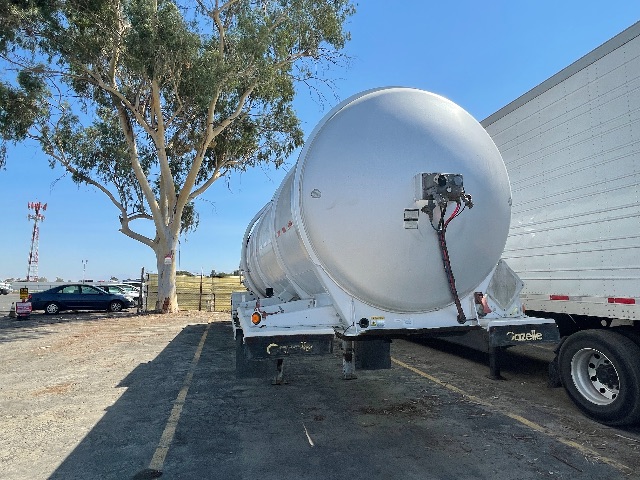
Have heil crude oil trailer to sell? List it here to reach thousands of buyers.
About Heil Crude Oil Trailers in California
Heil has long been a recognized tank trailer manufacturer, and many used crude oil trailers on the market are spec'd around aluminum construction to keep tare weight down without giving up the durability needed for oilfield work. Common details buyers look for include DOT 407-style specifications where applicable, top or bottom loading configurations, vapor recovery provisions, API equipment, manways, internal valves, piping layout, and suspension type. Landing gear condition, brake configuration, frame design, and kingpin setting also deserve close attention because these affect stability, maintenance cost, and compatibility with the tractor wheelbase and axle setup. On older units, inspection history, barrel tests, valve condition, and any repairs to the shell or subframe are just as important as make and model.
For California operations, a crude oil trailer buyer should pay close attention to current inspection status, lining or contamination history if any, and whether the trailer's dimensions and axle group can be worked legally on intended lanes. Petroleum hauling often means long days, terminal loading procedures, and strict safety expectations, so practical items like catwalk condition, hose tube storage, ladder design, lighting, tire condition, and ABS functionality should not be treated as minor details. If a trailer has been sitting, seals, hoses, brakes, and suspension components may need immediate review before it goes back into service. A ready-to-work tank trailer is not just about passing a visual check. It is about documentation, pressure integrity, and dependable operation under load.
For shoppers comparing Heil crude oil trailers for sale, the smartest approach is to match the trailer spec to the product, destination, and compliance burden instead of focusing only on year model. A lighter trailer may improve payload, but the wrong valve package or compartment design can slow turnaround and add operating headaches. A well-spec'd crude oil tanker, also called an oil tank trailer or petroleum trailer in some markets, should fit your loading racks, unloading method, tractor setup, and maintenance program from day one. The best value usually comes from a trailer with clear service records, current test documentation, and a configuration that supports the exact crude hauling work you plan to do in California.
Frequently Asked Questions
What should I check first on a used Heil crude oil trailer?
Start with test and inspection documentation, tank specification, compartment layout, and overall structural condition. After that, inspect the shell, subframe, suspension, brakes, valves, manways, and piping for wear, corrosion, repairs, or signs of leakage. On a crude oil trailer, paperwork matters as much as hardware because petroleum service requires current compliance and a tank that can be legally and safely returned to work.
Are Heil crude oil trailers typically aluminum or steel?
Many Heil crude oil trailers are aluminum because aluminum helps reduce tare weight and improve legal payload. Some units may be spec'd differently depending on service requirements, product type, and customer preference. The right material choice depends on corrosion exposure, desired payload, repair considerations, and the exact petroleum application.
Is a single-compartment crude oil trailer a good choice?
A single-compartment trailer is a strong fit when the goal is maximum usable capacity and simple loading and unloading. It is common in crude hauling where the same product is being moved consistently and there is no need to separate loads. Multi-compartment tanks can be useful in specialized operations, but they add complexity and may reduce total effective volume.
What California buyers need to verify before putting a crude oil trailer to work?
California buyers should confirm axle spacing, overall dimensions, brake and ABS condition, and current inspection status before scheduling loads. It is also important to verify that the trailer configuration matches terminal procedures, route restrictions, and the product being hauled. A trailer that looks serviceable can still create downtime if documentation, testing, or equipment spec does not meet operational or regulatory requirements.
What features affect productivity on a crude oil trailer?
Capacity, unloading setup, valve arrangement, suspension, and overall empty weight have the biggest impact on day-to-day productivity. A trailer with the right piping layout, accessible controls, sound running gear, and a practical loading and unloading configuration can reduce terminal delays and maintenance interruptions. Small details such as hose storage, ladder access, catwalk condition, and landing gear performance also matter because they affect safety and turnaround time.