
Drop Deck Trailers For Sale in California
Browse drop deck trailers for sale in California. Compare lengths, axle setups, deck height, ramps, and payload options for taller freight.
Learn moreBrowse Drop Deck Trailers by Make
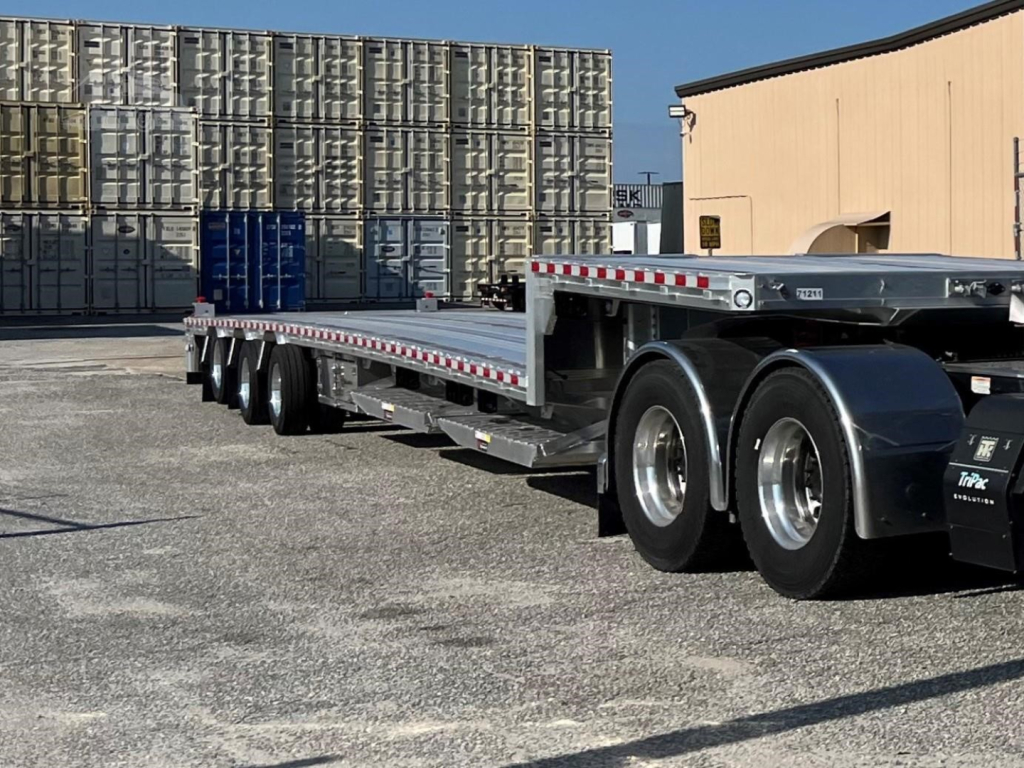
Have drop deck trailer to sell? List it here to reach thousands of buyers.
About Drop Deck Trailers in California
A buyer should pay close attention to deck dimensions and weight ratings before anything else. Top deck length, lower deck length, loaded deck height, and rear deck transition all affect what the trailer can actually haul. Aluminum drop decks reduce tare weight and help maximize payload, while steel and combo trailers may offer a different balance of durability, repair cost, and price. Suspension type, kingpin setting, axle spread, and tire size also matter, especially if the trailer will run mixed freight or heavier concentrated loads. Features like sliding winches, chain ties, stake pockets, bulkheads, toolboxes, and tire inflation systems can make a real difference in day-to-day use and maintenance cost.
For California operations, buyers should think beyond listed GVWR and focus on how the trailer fits state routes, permit needs, and the freight mix. A ramp-equipped drop deck can handle forklifts, compact equipment, and wheeled machines without needing a detachable trailer. If the freight includes tall crated cargo, steel product, pipe, or lumber, check floor construction, crossmember spacing, and concentrated load ratings over short sections of deck. Air ride suspension is common for ride quality and cargo protection, and rear axle lift options can improve tire life and maneuverability when empty or lightly loaded. On used units, inspect frame neck areas, deck condition, landing gear, tires, brakes, bushings, lighting, and any signs of twist or deck damage from overloading.
The best drop deck trailer is the one matched to your freight profile, not just the highest published capacity. Some buyers need a lightweight all-aluminum trailer for legal payload on longer hauls, while others need a heavy-duty model with ramps, more tie-down points, and stronger deck ratings for equipment work. If your lanes include ports, agricultural regions, construction supply yards, or machinery dealers across California, a step deck often gives more loading flexibility than a flatbed without moving into the cost and specialization of a lowboy. Comparing axle layout, deck height, ramp package, composition, and securement setup will usually tell you more than the badge on the nose.
Frequently Asked Questions
What is the difference between a drop deck trailer and a flatbed trailer?
A drop deck trailer has two deck levels, a raised upper deck and a lower main deck, which lowers the freight carrying surface compared with a standard flatbed. That lower deck allows taller cargo to stay within legal height limits without permits in many situations. A flatbed is simpler and often lighter in some specifications, but a drop deck is usually the better choice when cargo height is the limiting factor.
What freight is a drop deck trailer commonly used for?
Drop deck trailers are commonly used for construction equipment, forklifts, palletized machinery, bundled steel, lumber, pipe, agricultural equipment, and oversized crated freight. They are popular when freight can be loaded from the side or rear and needs more vertical clearance than a flatbed can offer. A ramp package expands capability further by allowing self-propelled or wheeled equipment to be loaded without a dock.
Should I choose an aluminum or steel drop deck trailer?
Aluminum drop deck trailers are favored when low tare weight and maximum legal payload are the priority. Steel trailers can offer strong durability and may be preferred in tougher applications where repair practices and purchase price matter more than every pound of trailer weight. Combo trailers split the difference for some operations. The right material depends on freight density, route profile, corrosion exposure, and how long the trailer will be kept in service.
What should I inspect on a used drop deck trailer?
Focus on structural condition first, especially the neck, frame rails, crossmembers, rear transition, suspension mounts, and any area showing cracks, repairs, or twist. Then inspect deck wear, securement hardware, winches, landing gear, tires, brakes, wheel ends, lights, airlines, and electrical connections. If the trailer has ramps, check hinges, spring assist components, and ramp attachment points. A good inspection should also confirm axle alignment and look for uneven tire wear that may indicate deeper issues.
Are tri-axle drop deck trailers worth considering in California?
Tri-axle drop deck trailers can make sense for heavier applications, concentrated loads, or operations trying to manage axle weights more effectively. They may also provide more flexibility depending on how the trailer is spec'd and how the freight is distributed. The tradeoff is additional maintenance, more tires and brakes to service, and potential maneuverability considerations in tighter delivery areas. They are usually best suited to buyers who routinely haul heavier or more demanding freight rather than general commodity loads.