
2008 Trailers For Sale
Shop 2008 trailers for sale including flatbed, van, lowboy, and specialty trailers. Compare specs, axle setups, floors, suspension, and capacity.
Learn morePopular Trailers Categories
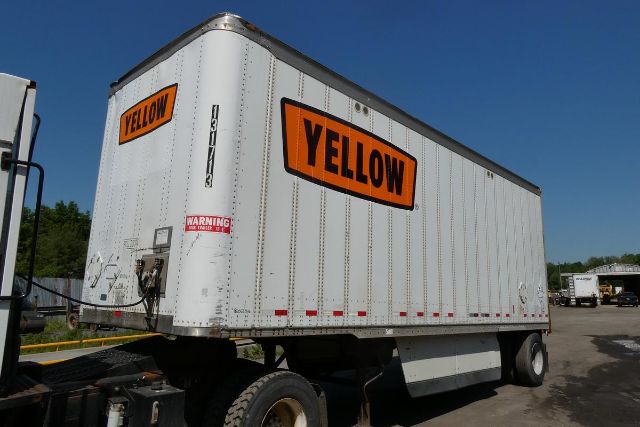
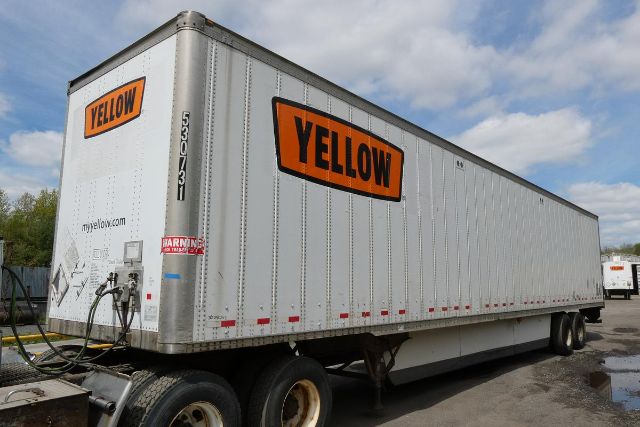
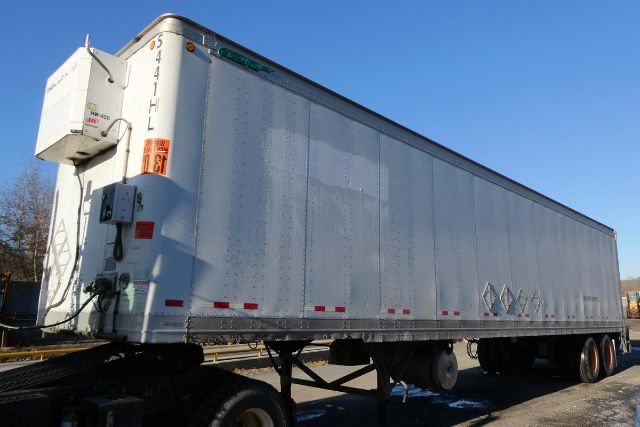
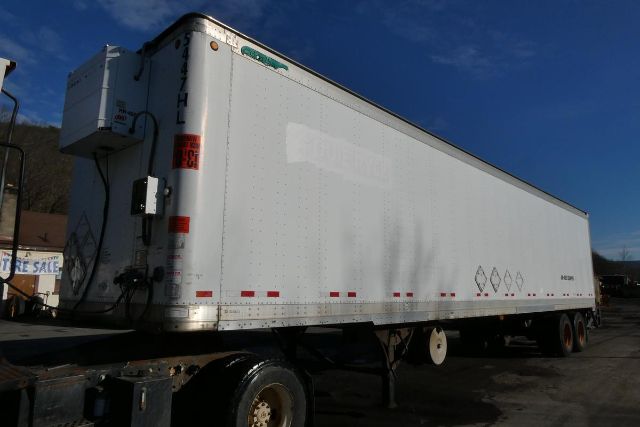
Showing 37 to 48 of 54 results
Have 2008 trailer to sell? List it here to reach thousands of buyers.
About 2008 Trailers
For flatbed trailers, common 2008 specs include 48-foot and 53-foot lengths, aluminum or steel construction, tandem or spread axles, air ride suspension, sliding winches, winch tracks, and apitong or aluminum floors. Weight matters because a lighter trailer can add legal payload, but condition matters just as much on a used unit. Check side rail wear, chain tie-down points, pipe spool condition, bulkhead integrity if equipped, and signs of deck replacement. If the trailer will run in heavy coil, machinery, or steel service, crossmember spacing, concentrated load ratings, and the presence of a coil package are worth verifying before purchase.
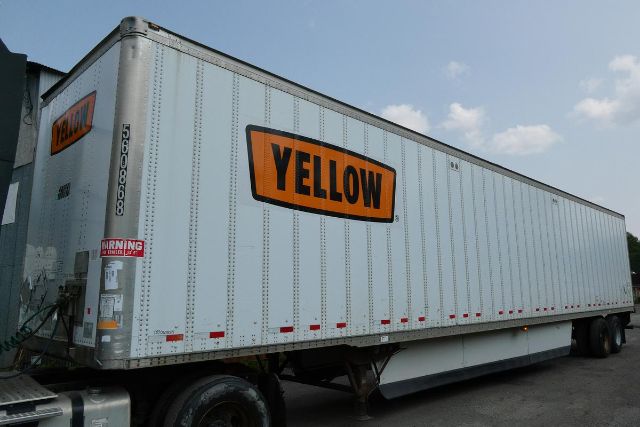
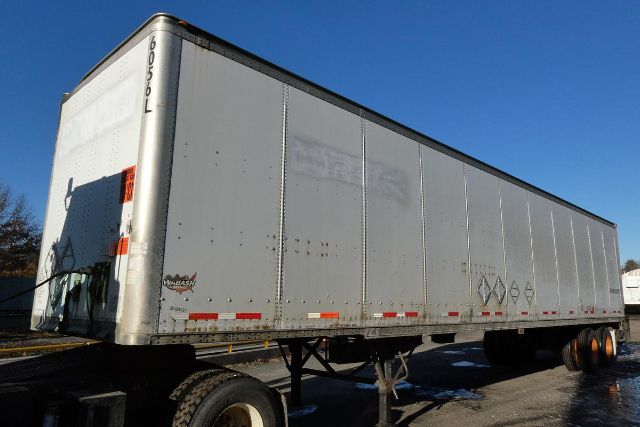
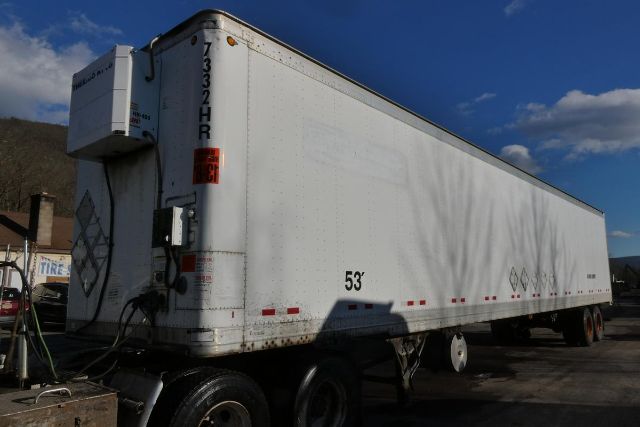
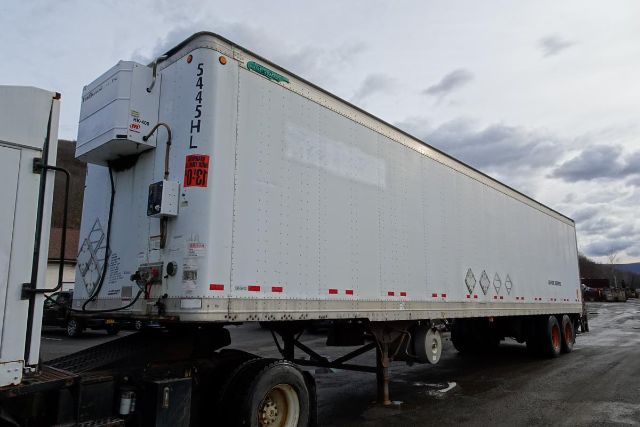
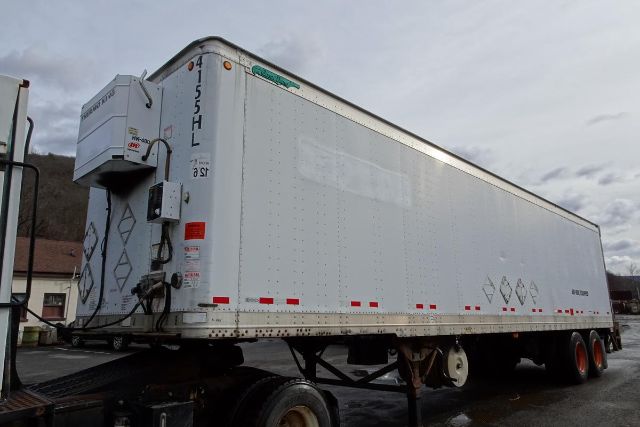
For van trailers, also known as dry vans or enclosed freight trailers, a 2008 model may still serve well in regional freight, storage, or dedicated lane work if the body is straight and the floor is solid. Important checkpoints include roof bows, front wall integrity, door frame alignment, threshold wear, scuff liners or plywood lining, and whether the trailer has logistics posts, E-track, or duct flooring for the intended freight. On any older van, inspect for water intrusion, delamination, patch panels, and corrosion around the upper rail and rear sill. Suspension type, tire size, wheel-end condition, and brake configuration also affect operating cost and downtime.
For lowboys, detachable goosenecks, and other heavy haul trailers from this era, structural inspection is the priority. Deck height, loaded ride height, axle grouping, neck style, outriggers, boom wells, and detachable components all determine job suitability. Buyers should confirm rating labels against the intended machine weight, then inspect pins, bushings, hydraulic neck functions, deck plating, and any stress cracking around beam transitions. Across all 2008 trailers, the best purchase is usually the one with a clean maintenance history, current DOT-ready components, and a spec that fits the freight without forcing avoidable repairs or compliance issues.
Frequently Asked Questions
What should I inspect first on a 2008 trailer?
Start with the structure. Inspect the main frame rails, crossmembers, kingpin area, suspension hangers, axle alignment, brake components, and floor or deck condition. On vans, look closely at the roof, front wall, rear frame, and signs of water intrusion. On flatbeds and lowboys, focus on cracked welds, bent outriggers, deck wear, and concentrated load stress points. Older trailers can still be productive, but structural repairs can quickly outweigh the purchase savings.
Is a 2008 trailer too old for over-the-road use?
Not necessarily. A 2008 trailer can still be a good over-the-road unit if it has been maintained properly and meets current operating requirements. Condition matters more than model year alone. Tire age, brake system condition, ABS function, lighting, suspension wear, floor integrity, and legal axle setup all affect whether the trailer is ready for revenue service. A detailed inspection and service history are more important than the calendar year.
What trailer types are common in the 2008 used market?
The 2008 market typically includes dry vans, flatbeds, step decks, lowboys, tag trailers, and some specialty trailers. Dry vans are often used for general freight or storage. Flatbeds and step decks are common for building materials, machinery, and steel products. Lowboys and detachable goosenecks are used for heavy equipment and taller loads that need lower deck height. The right choice depends on freight dimensions, weight, loading method, and route restrictions.
How do I know if a 2008 flatbed or lowboy is rated for my load?
Check the manufacturer rating plate, axle configuration, suspension, tire size, wheel ratings, and any posted concentrated load rating for the deck. On lowboys, review the rating in the well and any requirements for flip axles, jeep combinations, or specific axle groupings. Do not rely only on a general ton rating in a listing. Confirm how the rating applies across a stated deck length and make sure the trailer setup matches the permit and bridge requirements for the loads you plan to haul.
What maintenance items usually come up on older used trailers?
Common items include brakes, bushings, air lines, wheel seals, tires, lights, flooring, door hardware, suspension components, and landing gear service. On steel trailers, corrosion repair can be a major cost. On aluminum trailers, buyers should watch for fatigue cracking, floor wear, and prior weld repairs. Older lowboys may also need attention to detachable neck hydraulics, pin assemblies, deck plating, and auxiliary axle components. A lower purchase price can still make sense if these expected repairs are already accounted for.