
Trailers For Sale in Florida
Browse trailers for sale in Florida, including dry vans, reefers, and flatbeds with specs that fit regional freight and compliance needs.
Learn morePopular Trailers Categories
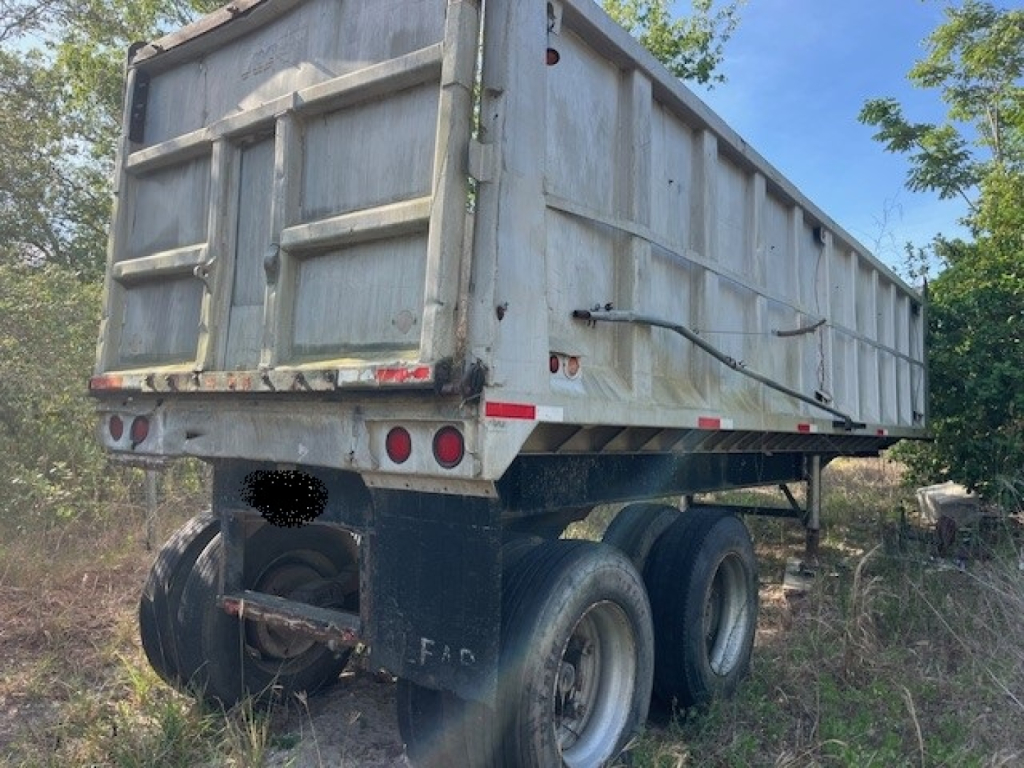
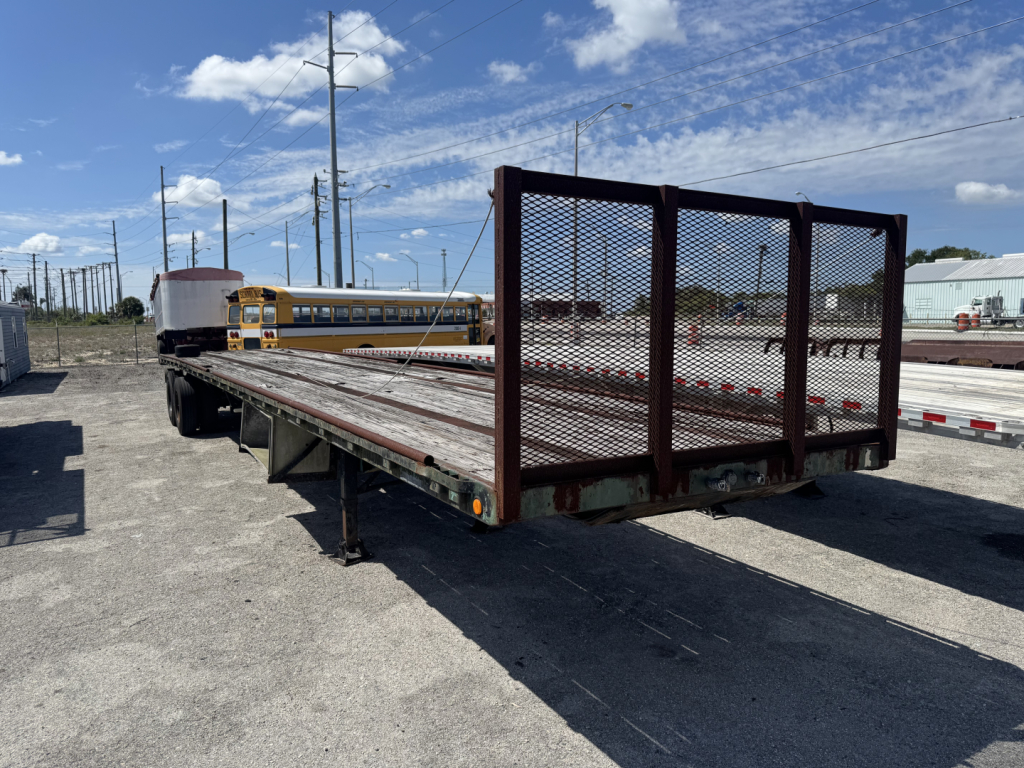

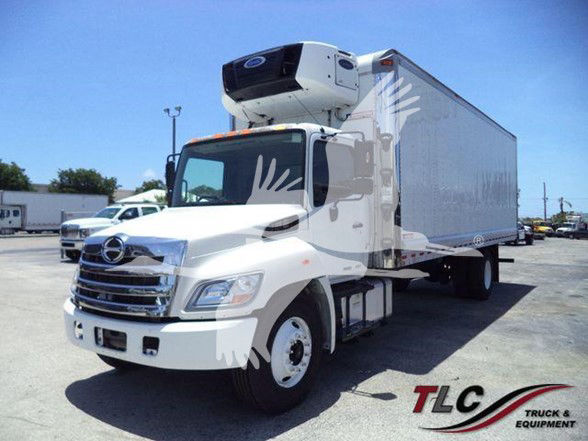
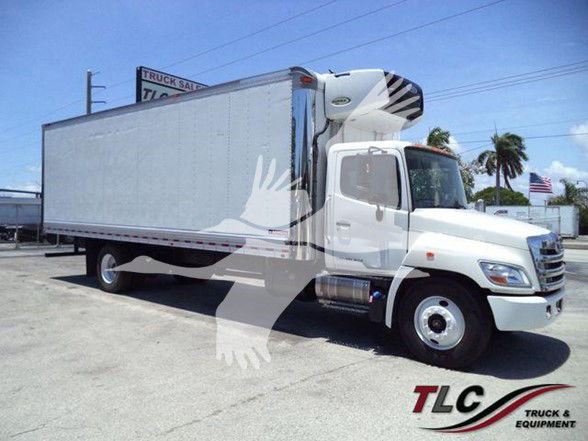
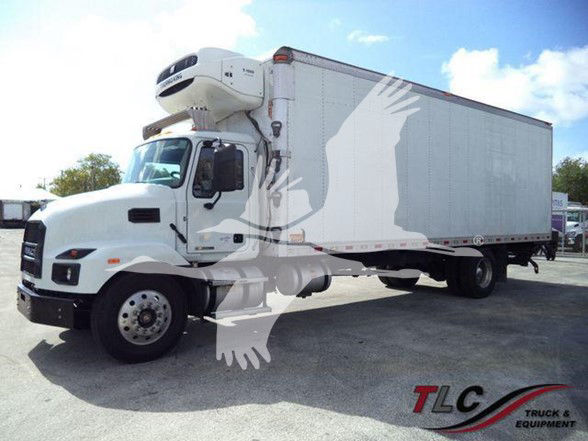
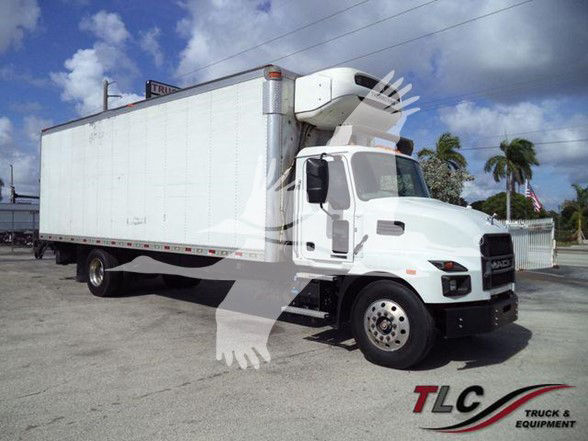
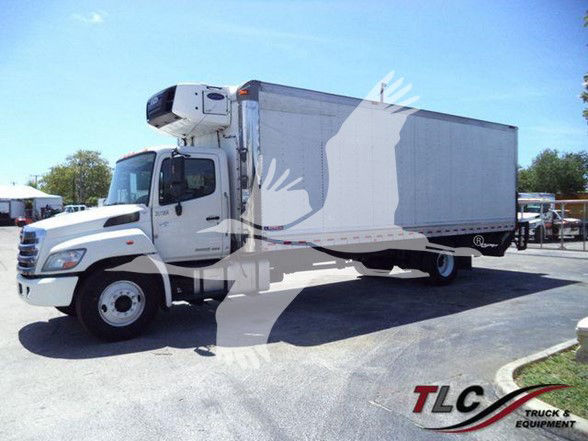
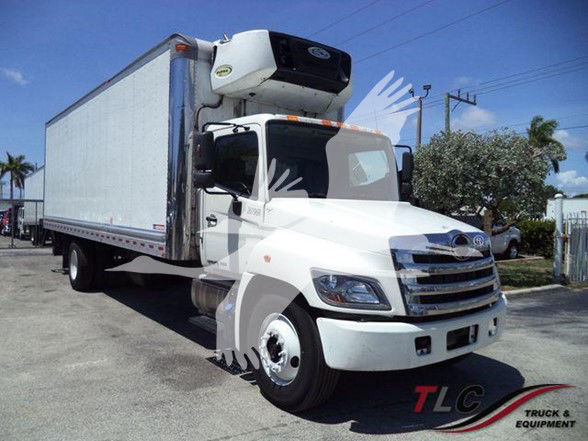
Showing 1 to 12 of 28 results
Have trailer to sell? List it here to reach thousands of buyers.
About Trailers in Florida
For refrigerated trailers, the key decisions are the refrigeration unit, insulation package, interior lining, floor style, and compliance status. Buyers often compare Carrier and Thermo King units by service support, fuel use, and run hours. Important details include California-legal emissions compliance on the reefer unit, air ride suspension, sliding tandems or closed tandem setup, duct floors for airflow, chute systems, scuff liners, and swing versus roll-up rear doors. In Florida heat and humidity, trailer condition matters more than paper specs alone. Pay close attention to door seals, bulkhead condition, floor wear, corrosion at the front wall and rear frame, and reefer unit maintenance history.
Dry van trailers, also known as enclosed vans or box trailers, are typically selected around cubic capacity, durability, and loading efficiency. Standard specs often include 53-foot length, 102-inch width, air ride suspension, wood floors, plywood lining, scuff plates, logistics posts or E-track, sliding tandems, and either swing or roll-up doors. Tire inflation systems, undertray storage, side skirts, and aluminum wheels can improve operating cost and uptime. Buyers moving high-cycle freight should also inspect crossmember spacing, threshold plate wear, roof condition, and how well the interior lining has held up against forklift traffic and pallet impact.
Flatbed trailers are a strong fit for Florida construction, industrial freight, and port work, especially when load flexibility matters more than enclosure. Aluminum flatbeds are popular for payload advantage, while steel or combo construction may appeal to buyers prioritizing ruggedness and repairability. Common spec points include 48-foot or 53-foot length, spread or tandem axle configuration, kingpin setting, coil package, winch track layout, number of sliding winches, pipe spools, nail strips, and rated capacity in concentrated areas such as 10-foot or 4-foot sections. On any trailer type, suspension condition, brake type, tire size, axle spread, landing gear, and frame integrity should be evaluated alongside the freight it will actually haul.
Frequently Asked Questions
What trailer types are most common in Florida?
The most common trailer types in Florida are refrigerated trailers, dry vans, and flatbeds. Reefer trailers are heavily used because of the state's produce, grocery, seafood, and temperature-controlled freight activity. Dry vans are common in retail and general freight, while flatbeds are frequently used for construction materials, machinery, and port-related cargo. The right trailer type depends on commodity, loading method, and lane requirements more than geography alone.
What should I check first on a used reefer trailer?
Start with reefer unit hours, service records, and emissions compliance status, then inspect the trailer body. Door seals, insulation integrity, interior lining, duct floor condition, chute setup, and signs of water intrusion are all important. In a reefer, poor airflow or damaged insulation can hurt temperature performance even if the unit still runs. Suspension, brakes, tires, and rear frame condition also deserve close attention because refrigerated trailers often see high annual miles and frequent dock use.
Is air ride suspension worth it on a trailer?
Air ride suspension is a common choice because it helps protect cargo, improves ride quality, and is widely accepted across reefer, dry van, and flatbed applications. It is especially useful for food products, palletized freight, and loads sensitive to vibration. Buyers should still inspect the suspension brand, bushings, air bags, shocks, and alignment-related tire wear. Air ride offers clear operational benefits, but its value depends on condition and maintenance history.
What specs matter most on a dry van trailer?
The most important dry van specs are length, width, door type, interior configuration, suspension, tandem setup, and floor condition. A 53-foot by 102-inch van is the standard for most over-the-road freight. Buyers should also evaluate plywood lining, scuff protection, E-track or logistics posts, roof material, crossmember spacing, and whether the trailer has features like tire inflation systems or side skirts. These details affect load securement, maintenance cost, and how efficiently the trailer works in day-to-day freight operations.
How do I choose the right flatbed configuration?
Choose a flatbed based on freight weight, load shape, securement method, and routing requirements. Aluminum flatbeds reduce tare weight and can improve payload, while steel or combo trailers may better suit severe-duty work. Key details include trailer length, axle spread, kingpin setting, winch track design, coil package, tie-down options, and concentrated load ratings. Buyers hauling steel, machinery, or building products should match the deck and securement layout to the freight instead of focusing only on overall length.