
Dump Trailers For Sale in Florida
Browse dump trailers for sale in Florida, including end dumps and frameless models built for aggregate, debris, ag loads, and site hauling.
Learn more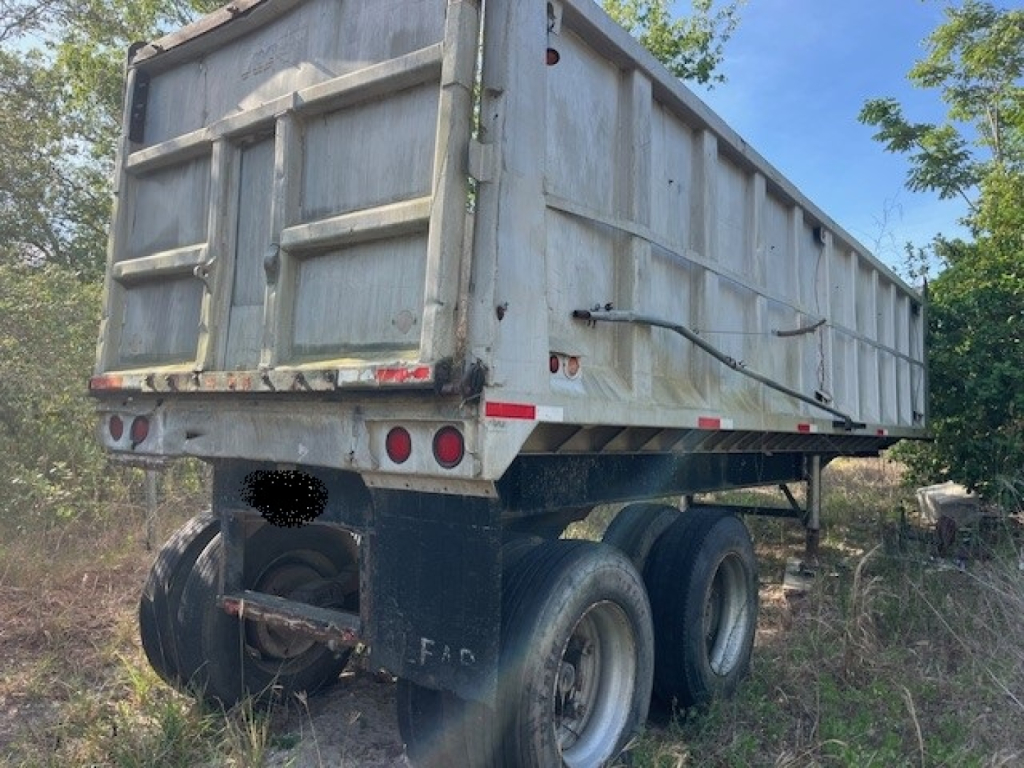
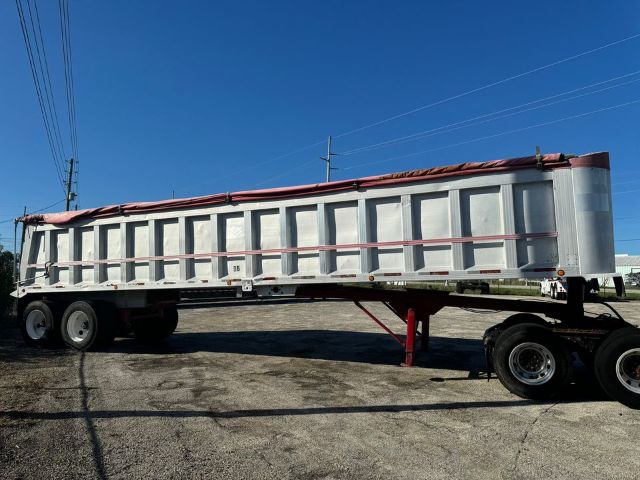
Have dump trailer to sell? List it here to reach thousands of buyers.
About Dump Trailers in Florida
A serious dump trailer comparison should include length, side height, axle setup, suspension, and gate configuration. Common specs in this category include tandem axle layouts, air ride suspension, 96-inch width, and lengths around the upper 30-foot range, though exact dimensions vary by application. Rear dump gate style matters more than many buyers expect. Barn doors, high-lift gates, and two-way or combo gates each change how well the trailer handles rock, asphalt, scrap, mulch, or grain. A roll tarp and liner are also high-value features because they help with load retention, cleanup, and legal compliance on public roads.
Florida operating conditions make a few details especially important. Corrosion resistance, brake condition, tire condition, and suspension wear deserve close inspection on used dump trailers that have seen coastal air, wet material, or high-cycle site work. Frameless trailers typically offer lower tare weight and good capacity, but they transfer load differently than frame-type designs and need to match the tractor, kingpin setting, and intended terrain. Soft ground, uneven dumps, and off-camber unloading conditions put extra emphasis on trailer stability, hoist condition, and body integrity. Buyers hauling dense material should also confirm cubic yard capacity against legal axle weights, since a trailer can fill up by weight long before it fills by volume.
The best dump trailer is the one matched to the material, route, and unloading surface. Contractors moving sand or road base often prioritize payload, liner condition, and gate control. Agricultural users may look for grain doors, clean aluminum floors, and tarp systems that simplify repeated loading cycles. Fleets running regional hauls often focus on axle alignment, bushing wear, brake balance, tire size commonality, and parts support. On any dump trailer, pay close attention to the hoist, hinge points, crossmember condition, floor wear, and signs of prior body repair, because those areas tell you more about remaining service life than paint or general appearance.
Frequently Asked Questions
What is the difference between a frameless dump trailer and a frame-type dump trailer?
A frameless dump trailer uses the body structure itself as a major load-bearing component, which usually reduces tare weight and can increase payload. A frame-type dump trailer has a full chassis under the body, which can provide different load distribution and may be preferred for certain severe-duty applications. The right choice depends on material type, tractor setup, haul distance, and the ground conditions where the trailer will be dumped.
Is an aluminum dump trailer better than a steel dump trailer?
Aluminum dump trailers are often favored when payload and corrosion resistance are priorities, especially in humid or coastal regions like Florida. Steel dump trailers are typically chosen for more abrasive or impact-heavy materials because they can be more damage-tolerant in harsh service. Buyers should match body material to the product being hauled, expected cycle count, and maintenance plan rather than assuming one is always better.
What should I inspect first on a used dump trailer?
Start with the hoist system, body sides, floor, crossmembers, hinge area, suspension, brakes, and tires. Look for cracks, weld repairs, floor waviness, uneven tire wear, air system leaks, and signs the trailer has been overloaded or dumped on uneven ground. Gate operation, tarp condition, liner wear, and axle alignment also matter because they affect day-to-day usability and operating cost.
What gate style is best on a rear dump trailer?
The best gate style depends on what the trailer hauls. Two-way or combo gates offer flexibility for mixed service, high-lift gates can improve unloading clearance for some materials, and barn doors are common for certain bulk products. Buyers hauling rock, asphalt, grain, mulch, or demolition debris should choose a gate setup that controls flow safely and matches the loader, paver, or dump site requirements.
How do I choose the right dump trailer size and capacity?
Choose size by balancing cubic capacity against legal payload and the density of the material. Dense products such as sand, gravel, and asphalt usually limit out by weight before the body is full, while lighter materials may use more of the trailer's cubic volume. Trailer length, side height, axle rating, and GVWR all need to align with the tractor and the routes where the unit will operate.