
Unknown Dump Trailers For Sale in Florida
Browse dump trailers for sale in Florida. Compare aluminum and steel bodies, lengths, gate styles, hoists, axle setups, and condition factors.
Learn more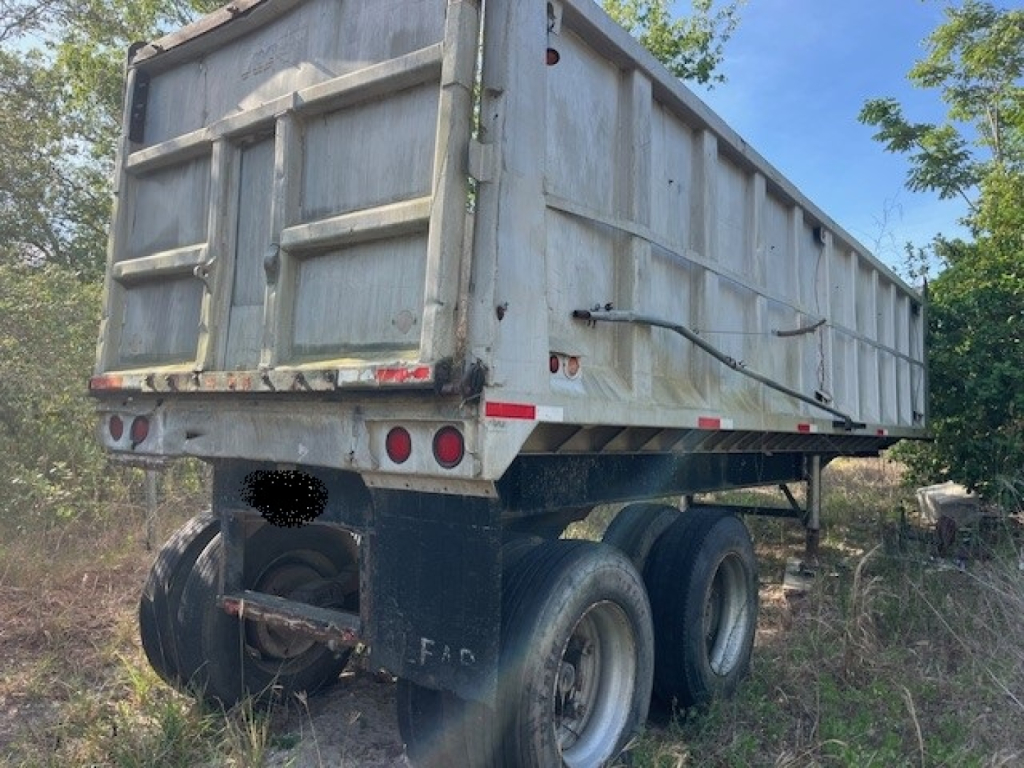
Have unknown dump trailer to sell? List it here to reach thousands of buyers.
About Unknown Dump Trailers in Florida
Trailer length, side height, and axle configuration should match the material being hauled and the roads it runs. A 40-foot frameless or frame-type dump trailer can offer strong cubic capacity, but payload and stability depend on axle spacing, suspension, tire condition, and how the body is loaded. Frameless designs are common in end-dump applications because they can reduce weight, while frame-type trailers may appeal to operators who want a more traditional chassis structure. Gate style matters too. Barn doors, high-lift gates, and combination dump gates each suit different unloading conditions, especially when handling asphalt, shot rock, or material that tends to bridge at the rear.
The hoist system is where condition can quickly separate a solid trailer from a costly project. Inspect the hydraulic cylinder for leaks, pitting, scoring, and smooth extension, and check the pin areas for elongation or cracked welds. On used dump trailers, the wiring, lights, air system, tarp assembly, and landing gear often tell you how hard the trailer has been worked and how long it has sat. Tire wear patterns can point to alignment problems or suspension wear, and a close look at the rear hinge area, doghouse, and subframe can reveal stress from repeated heavy cycles. If the trailer has spent time in coastal Florida, evaluate corrosion on air tanks, brake components, wiring connections, and any steel hardware mounted to an aluminum body.
A good dump trailer purchase comes down to matching capacity, body construction, and structural condition to the work. Buyers comparing listings should look at cubic yard capacity, GVWR, body length, wall height, gate setup, suspension type, brake condition, and hoist design before focusing on price alone. For landfill work, paving support, general aggregate, or farm use, the right dump trailer should raise cleanly, track straight, seal well at the gate, and show consistent maintenance across the chassis and body.
Frequently Asked Questions
What should I inspect first on a used dump trailer?
Start with the structure and the hoist. Check the floor, sidewalls, crossmembers, rear frame, hinge area, and cylinder mounts for cracks, patch repairs, corrosion, or distortion. Then inspect the hydraulic cylinder, hoses, pins, and lift geometry for leaks, scoring, or excessive wear. After that, review brakes, suspension, tires, lights, and tarp system because those items can add significant repair cost even if the body still looks usable.
Is an aluminum dump trailer better than a steel dump trailer?
It depends on the application. Aluminum dump trailers usually weigh less, which can improve legal payload and fuel efficiency, and they are often preferred for general aggregate and bulk material work. Steel dump trailers typically offer better resistance to abrasion and impact when hauling harsher material such as demolition debris, large rock, or scrap. The right choice comes down to payload goals, material type, operating environment, and how much body repair risk you are willing to manage over time.
What gate style is best on a dump trailer?
The best gate style depends on what you unload and where you unload it. Barn doors work well when spreading is not required and rear access matters. High-lift gates are useful for asphalt and applications where material needs room to clear the opening cleanly. Combination gates offer flexibility for operators hauling mixed materials. Buyers should also inspect latch condition, hinge wear, and how well the gate seals, because leakage and poor release can create daily operating problems.
How do I know if an older dump trailer is still a good value?
An older dump trailer can still be a good buy if the main structure is sound and the hoist operates correctly. Age alone is less important than floor condition, frame integrity, brake and suspension health, and evidence of consistent maintenance. A trailer with a solid body, serviceable cylinder, and clean air and electrical systems may be more economical than a newer trailer with hidden structural fatigue. The key is to separate cosmetic wear from expensive structural or hydraulic problems.
Are frameless dump trailers better than frame-type dump trailers?
Frameless dump trailers are often chosen for lower empty weight and strong payload performance in end-dump service. Frame-type dump trailers can appeal to buyers who prefer a conventional chassis layout and may want a trailer suited to specific body or application requirements. Neither is automatically better in every operation. The right design depends on haul type, loading equipment, material density, road conditions, and how important tare weight is to your revenue per load.