
Chassis Trailers For Sale in Florida
Shop chassis trailers for intermodal container hauling in Florida. Compare 20', 40', and tandem options with key specs, weights, and features.
Learn moreBrowse Chassis Trailers by Make
Have chassis trailer to sell? List it here to reach thousands of buyers.
About Chassis Trailers in Florida
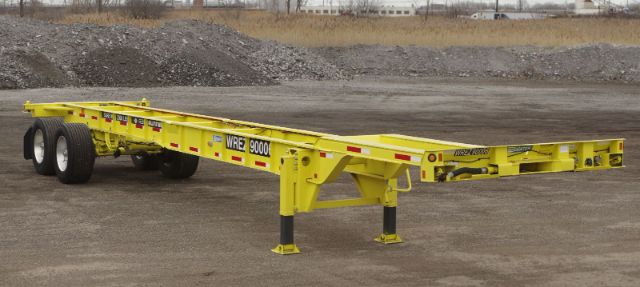
Capacity, tare weight, and axle configuration matter more on a chassis trailer than many first-time buyers expect. Tandem axle chassis are common, but spread axle and sliding axle configurations may make more sense depending on container length, port rules, and state bridge compliance. Look closely at GVWR, GAWR, tire size, brake type, and suspension design. Heavy-duty chassis built for rough yards, agricultural use, or off-pavement service may use reinforced steel construction, leaf spring suspension, super single tires, and tire inflation systems to improve stability and durability. Buyers moving dense loads should pay close attention to empty weight because a lighter tare can preserve payload, while a heavier-duty frame may be the better trade if the trailer regularly sees uneven ground or repeated loading cycles.
Condition assessment on a used chassis trailer should center on frame straightness, crossmember condition, twist lock function, lighting, air system health, brake wear, wheel-end condition, and corrosion. In a coastal state like Florida, rust and salt exposure deserve extra scrutiny, especially around wiring, suspension mounts, brake hardware, and structural connection points. It also helps to verify ABS operation, hubodometer readings if equipped, current inspection status, and the condition of tires, drums, and slack adjusters. Container chassis often live hard lives in port and yard service, so a clean title is helpful, but a thorough structural inspection matters more than cosmetics.
The best chassis trailer is the one that matches your container mix, dispatch radius, and terminal requirements. Some fleets prioritize lightweight highway-friendly specs for steady drayage, while others need heavy-duty intermodal chassis that can handle dirt lots, muddy approaches, and repeated off-road loading. Features like LED lighting, aluminum wheels, radial or super single tires, and sliding tandems can improve uptime or operating efficiency depending on the application. For buyers comparing listings, the key is to balance length, frame strength, suspension type, legal payload, and maintenance exposure instead of shopping on price alone.
Frequently Asked Questions
What sizes are most common for chassis trailers?
The most common chassis trailer sizes are 20-foot and 40-foot models for standard intermodal containers, along with combo or extendable chassis that can handle multiple container lengths. A fixed 40-foot chassis is common in drayage and port work because it is straightforward and durable, while adjustable units are useful for fleets that move a wider mix of container sizes. The right choice depends on the containers you haul most often and whether flexibility is worth the extra complexity and weight.
What should I inspect first on a used chassis trailer?
Start with the frame, crossmembers, twist locks, suspension mounts, and axle alignment because structural condition drives both safety and long-term value. After that, inspect brakes, drums or rotors, tires, wheel ends, lights, wiring, ABS components, and the air system. On chassis used in coastal or port service, corrosion is a major concern, especially around steel components, electrical connections, and brake hardware. A chassis can look decent cosmetically and still have expensive structural or running gear issues.
Are super single tires a good choice on a chassis trailer?
Super singles can be a good fit when the chassis operates on uneven surfaces, dirt yards, or muddy approaches because they can improve flotation and stability compared with some traditional dual setups. They may also reduce weight and simplify wheel-end maintenance in certain applications. The tradeoff is that replacement cost, tire availability, and roadside service considerations should be reviewed before buying. Tire choice should match your terrain, average load, and service network.
How important is tare weight on an intermodal chassis?
Tare weight is very important because every extra pound of empty trailer weight reduces legal payload. For dense freight, a lighter chassis can improve revenue per load, especially on shorter drayage lanes where every pound counts. That said, the lightest chassis is not always the best chassis. If your operation includes rough yards, off-pavement loading, or frequent heavy container moves, a heavier reinforced frame may offer better durability and lower repair costs over time.
Do Florida buyers need to pay special attention to corrosion on chassis trailers?
Yes. Florida's coastal environment, humidity, and salt exposure can accelerate corrosion on steel chassis trailers, especially those used around ports. Buyers should inspect the main rails, crossmembers, brake components, wiring, suspension hangers, and fasteners for rust, scaling, or prior repairs. Surface rust is common, but deeper corrosion around structural areas or electrical systems can create downtime and safety issues. A detailed undercarriage inspection is worth the time on any chassis that has spent years in marine or port service.