
Stoughton Chassis Trailers For Sale in Florida
Browse Stoughton chassis trailers for container hauling, including 40-foot intermodal setups with heavy-duty specs for port and regional work.
Learn more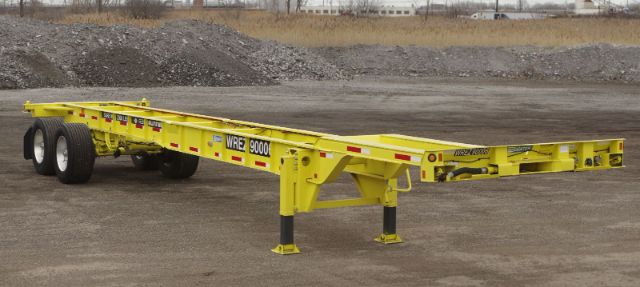
Have stoughton chassis trailer to sell? List it here to reach thousands of buyers.
About Stoughton Chassis Trailers in Florida
For many operators, the biggest decision is how heavy-duty the chassis really needs to be. Some Stoughton chassis are spec'd for standard highway container hauling, while others are built for rougher service with reinforced frames, higher capacity ratings, and running gear suited for uneven surfaces. Tandem axle configurations are common, and heavy-duty 40-foot intermodal chassis often carry high GVWR and tare weights that reflect a stronger build. Tire choice matters here too. Super singles can improve stability, reduce component count, and perform well in dirt, mud, and mixed-surface environments, while traditional duals may be preferred for service familiarity and certain fleet standards. Features like ABS, tire inflation systems, and aluminum wheels can improve safety, maintenance control, and operating efficiency.
A good chassis trailer buyer pays close attention to the wear points that affect container alignment and roadability. Check the main rails for corrosion, repairs, or signs of hard off-road use. Inspect the slider or fixed axle arrangement, suspension type, brake condition, landing gear, lighting, and electrical connections. Twist locks need to operate cleanly and hold containers securely without excessive play. On intermodal equipment working around ports and terminals, kingpin condition, crossmember integrity, and tire wear patterns can tell you a lot about prior use and maintenance discipline. In Florida service, exposure to salt air and coastal humidity makes rust prevention and understructure condition especially important.
Stoughton has long been recognized in the trailer market for practical, work-oriented equipment, and that carries over into its chassis offerings. The right unit depends less on brand reputation alone and more on matching the chassis spec to container size, gross weight, route conditions, and terminal requirements. If the job includes short port turns on pavement, a standard intermodal chassis may be enough. If the operation includes farm roads, gravel yards, or heavier container weights, a heavy-duty chassis with stronger running gear and flotation-minded tire spec can make a real difference in tire life, frame longevity, and daily productivity.
Frequently Asked Questions
What should I look for when buying a used Stoughton chassis trailer?
Start with frame condition, container securement points, axle and suspension ratings, brake system condition, and tire setup. On a used chassis, the most important issues are often structural rather than cosmetic. Look closely for rust, cracked welds, bent crossmembers, damaged twist locks, landing gear wear, and uneven tire wear that may point to alignment or suspension problems. If the chassis has worked in port or coastal service, corrosion on the understructure, wiring, and brake components deserves extra attention.
Are Stoughton chassis trailers good for intermodal and port work in Florida?
Yes, Stoughton chassis trailers are well-suited for intermodal duty, especially when the chassis is spec'd for the container sizes and payloads your operation handles. In Florida, buyers often need equipment that can handle port traffic, short regional hauls, and humid coastal conditions. A heavy-duty chassis with reliable ABS, solid twist locks, and a well-maintained running gear package is a practical fit for that type of work. The key is confirming that the frame strength, axle capacity, and tire configuration match your lane and terminal requirements.
What is the advantage of super single tires on a chassis trailer?
Super singles reduce the number of tires and wheel-end components compared with dual tire setups, which can simplify maintenance and reduce weight. On certain chassis applications, they also provide good flotation and stability on dirt, mud, or mixed surfaces. That can be useful for agricultural support, rough yards, or off-pavement approaches. The tradeoff is that fleets need to be comfortable with replacement availability, tire cost, and their preferred maintenance practices.
How much capacity does a heavy-duty 40-foot chassis trailer usually have?
Capacity varies by exact build, axle rating, and intended container type, but heavy-duty 40-foot chassis trailers are generally designed for substantial payloads and higher gross operating weights than lighter intermodal units. Buyers should look at both tare weight and rated capacity, because a stronger chassis often weighs more but may be the right choice for demanding service. The right number on paper also needs to match bridge law, state regulations, and the actual container weights moved in daily operation.
Do chassis trailers used off-road or in agricultural settings need different specs?
Yes, off-road and agricultural use usually call for a heavier chassis specification than standard terminal-to-highway work. Buyers should consider reinforced frame construction, stronger suspension components, tire inflation systems, and tire choices that perform better on soft ground or uneven surfaces. Ground clearance, brake protection, and overall durability matter more when the chassis regularly leaves paved roads. A unit built for mixed terrain can last longer and stay more stable under load in those conditions.