
Used Parts For Sale
Browse used truck parts including cabs, hoods, engines, doors, and body components for popular makes and model applications.
Learn morePopular Parts Categories
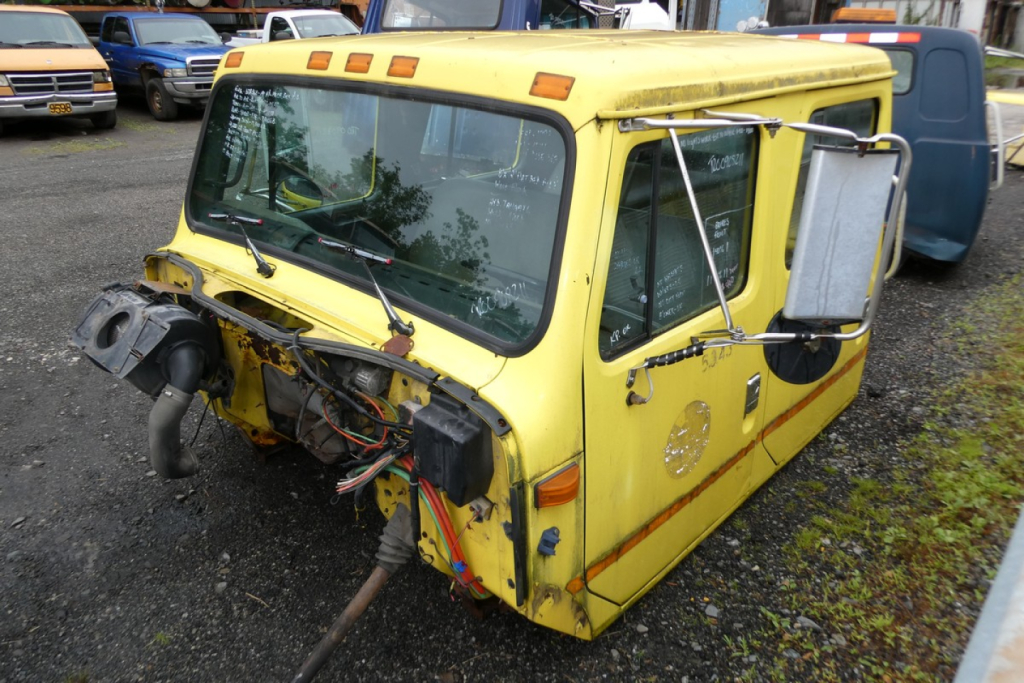
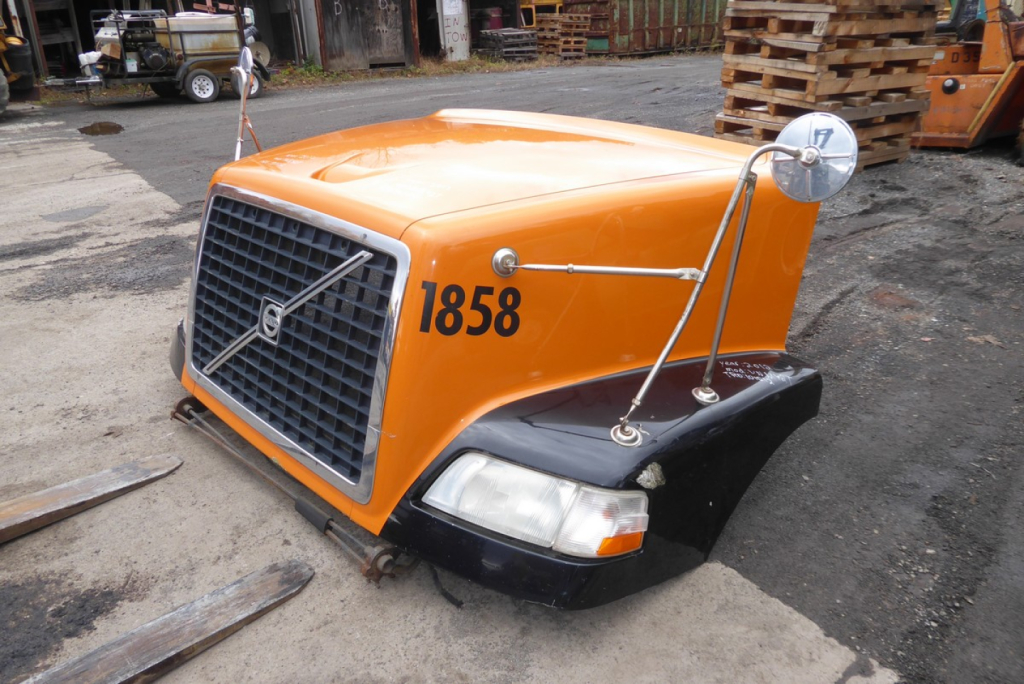

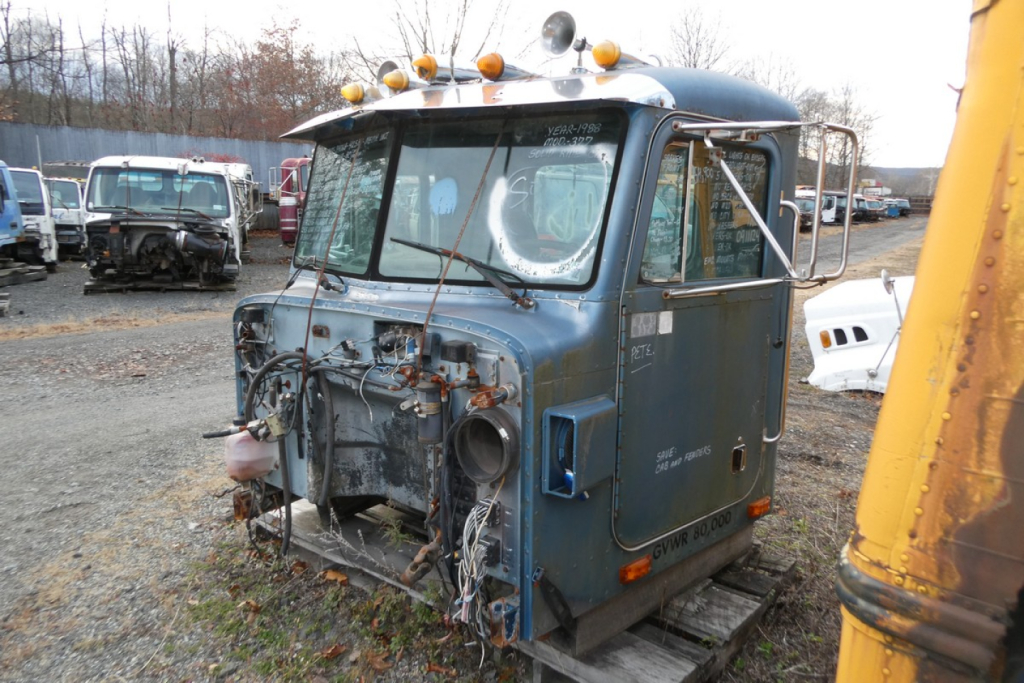
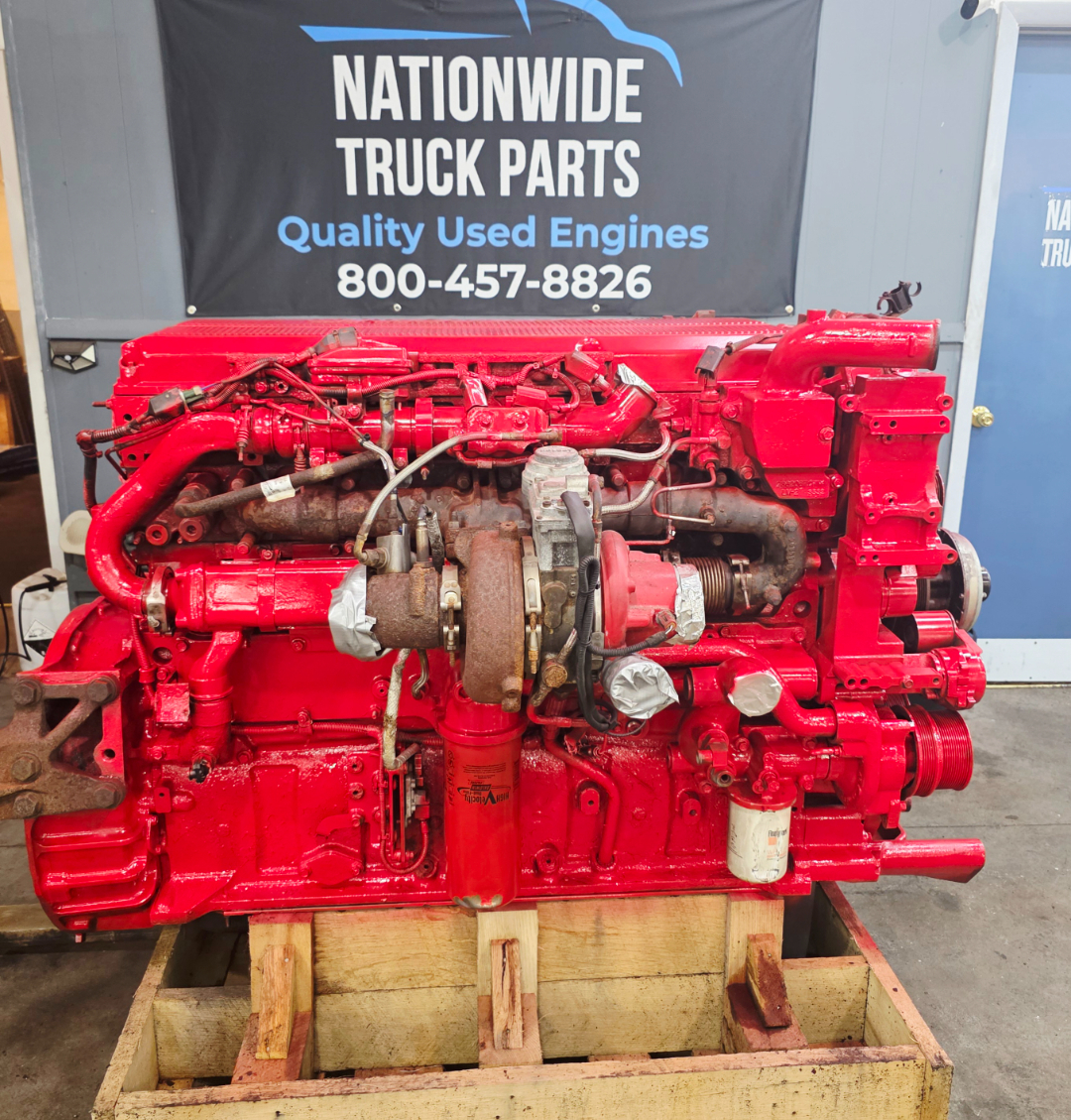
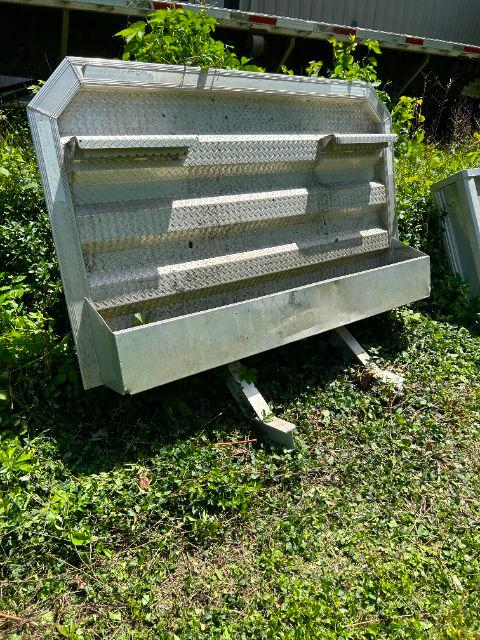
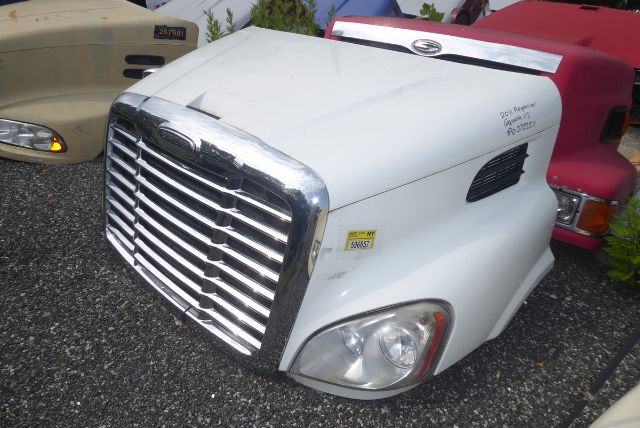
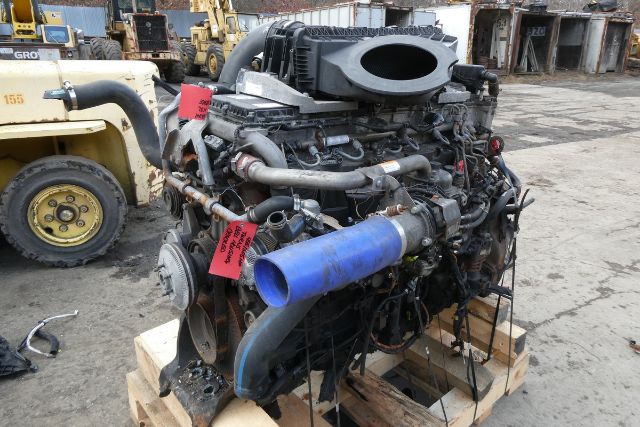
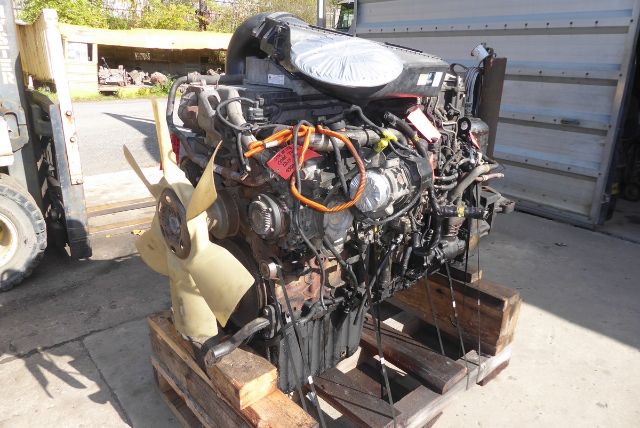
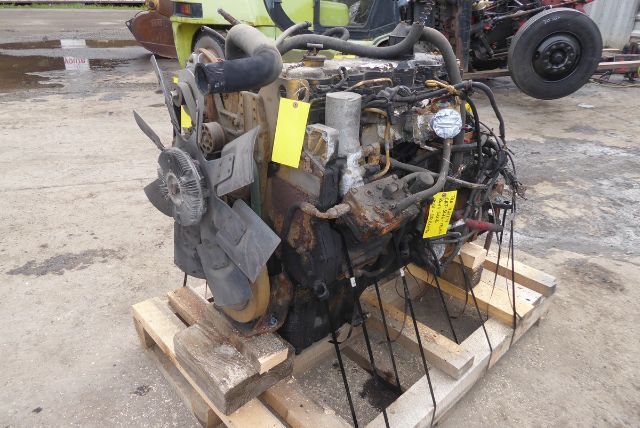
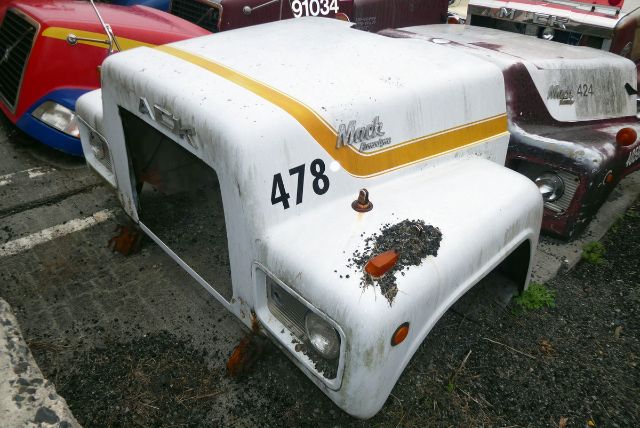
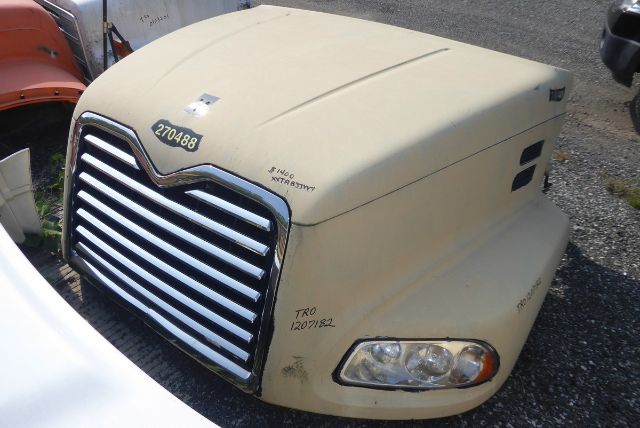
Showing 1 to 12 of 17 results
Have used part to sell? List it here to reach thousands of buyers.
About Used Parts
For body and exterior parts, the key questions are condition, completeness, and interchange. A used hood or cab may fit multiple model years, but buyers should confirm hinge style, headlamp openings, grille design, mirror mounts, and whether the part is stripped or complete. With used cabs, details like dash layout, sleeper configuration, HVAC components, wiring harness condition, and corrosion around mounts or floor sections can significantly affect total repair cost. Cosmetic damage is often acceptable on a budget repair, but hidden cracks, prior fiberglass work, bent structure, and missing hardware can turn an inexpensive part into a time-consuming install.
For powertrain and mechanical parts, documentation is the difference-maker. A used diesel engine should be evaluated by engine serial number, CPL or build code where applicable, emissions level, ECM compatibility, and any available inspection or test-run information. The same logic applies to transmissions, differentials, and aftertreatment components. Buyers should verify sensor provisions, clutch housing pattern, gear ratio tags, and casting numbers before purchase. For fleets trying to control downtime, used parts are often sourced from donor trucks, which can make it easier to match assemblies from common platforms like Freightliner Cascadia, Volvo VNM, Peterbilt, Kenworth, and other high-volume models.
The best used parts purchase is not simply the cheapest one. It is the part that matches the truck correctly, arrives with an accurate condition description, and reduces labor surprises during installation. Pictures of mounting points, connectors, damage areas, and ID tags are especially valuable. Buyers comparing listings should pay close attention to interchange notes, warranty terms, what is included with the component, and whether the part came from a running truck or a collision unit. That approach helps separate a usable take-off part from a core, and it usually saves more money than the initial purchase price alone suggests.
Frequently Asked Questions
How do I confirm a used truck part will fit my truck?
Start with the VIN, OEM part number, and the exact make, model, and year of the truck. Then verify any model-year interchange notes against engine family, emissions system, mounting points, connector style, and chassis configuration. For body parts, compare hinge locations, lighting cutouts, and mirror or grille provisions. For mechanical parts, confirm serial numbers, casting numbers, and calibration or ECM compatibility when applicable.
Are used truck hoods and cabs interchangeable across multiple years?
Often they are, but only within certain production ranges and trim or model variations. A hood or cab may physically fit several years of the same truck line, yet still differ in headlamp layout, grille style, dash design, wiring, or mounting hardware. Buyers should treat interchange claims as a starting point and confirm the specific fit details before buying.
What should I look for when buying a used diesel engine?
Focus on engine serial number, CPL or build code, emissions level, mileage if known, and any proof of inspection or test run. It is also important to confirm what is included, such as turbo, ECM, harness, aftertreatment hardware, or accessories. A correct serial and configuration match matters more than a broad engine model description because small spec differences can affect installation and operation.
Is a used truck part better than rebuilding the original component?
That depends on downtime, labor, and the condition of the original unit. A good used part can be the faster and lower-cost option when the replacement is complete and correctly matched. Rebuilding may make more sense for high-value components when the core is sound and parts availability is strong. The best choice usually comes down to total installed cost, not just the purchase price of the part itself.
What makes one used part listing better than another?
The strongest listings include clear photos, accurate interchange information, ID tags or serial numbers, an honest description of damage or wear, and a clear statement of what is included. Warranty terms and the source of the part also matter. A take-off from a running truck with documented details is generally more attractive than a vague listing with no fitment data or condition evidence.