
Cab and Chassis Trucks For Sale in Tennessee
Browse cab and chassis trucks for sale in Tennessee. Compare wheelbase, GVWR, axle setup, engine, and upfit readiness for your application.
Learn moreBrowse Cab and Chassis Trucks by Make

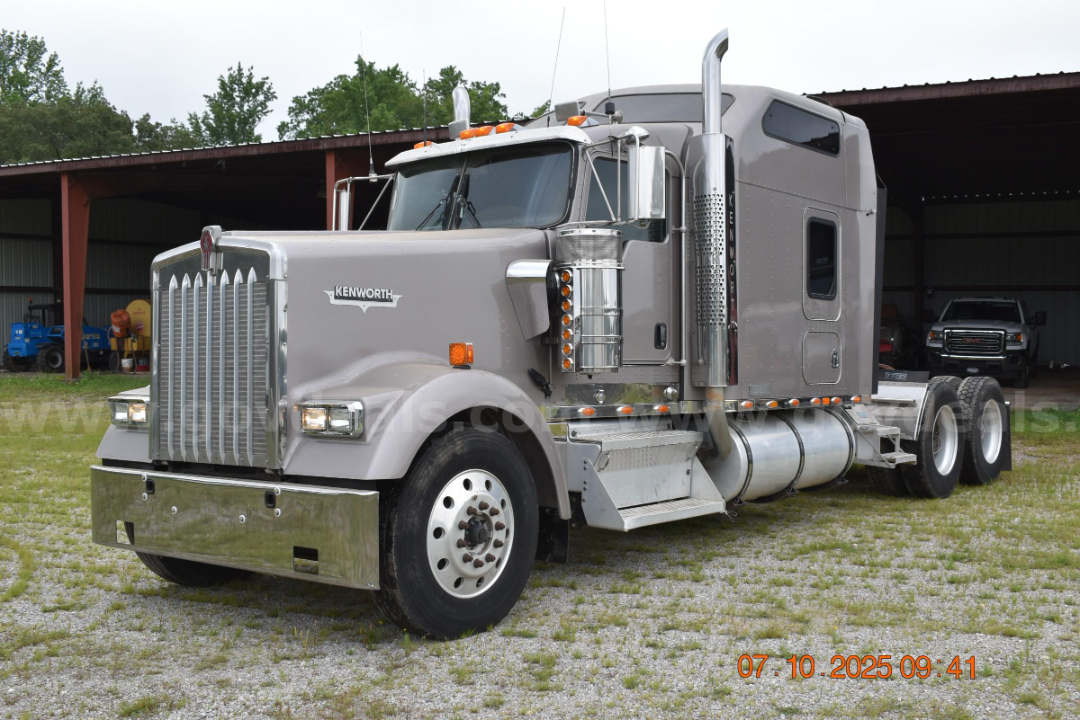
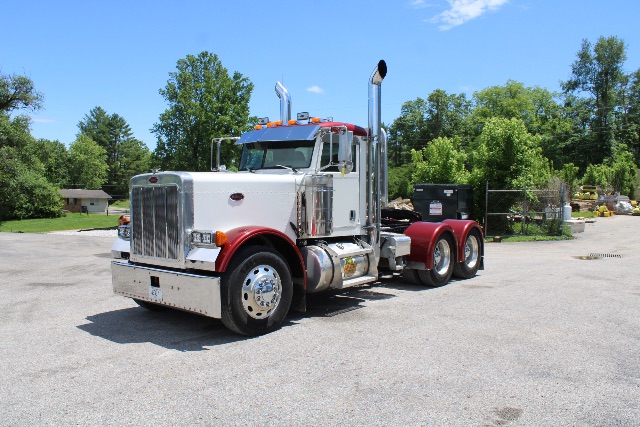
Have cab and chassis truck to sell? List it here to reach thousands of buyers.
About Cab and Chassis Trucks in Tennessee
The first decision is usually size class and wheelbase. Medium-duty cab and chassis trucks can suit box, stake, and utility applications, while heavier Class 7 and Class 8 chassis are more common under dumps, heavy wreckers, vacuum units, and larger vocational builds. Wheelbase, cab-to-axle, and axle spread determine what body will fit correctly and how the finished truck will balance weight across the steer and drive axles. Buyers should confirm GVWR, front axle rating, rear axle rating, frame section, suspension type, and PTO compatibility before planning an upfit. On heavier specs, transmission choice, rear ratio, and engine horsepower all affect launch, gradeability, and how well the truck handles stop-and-go vocational work versus highway time between jobs.
A used cab and chassis should be evaluated with the body install in mind, not just as a running truck. Check for frame modifications, extra holes in the rails, corrosion around crossmembers, signs of previous body removal, and any wiring or air line changes that could complicate the next build. If the truck already has PTO provisions, auxiliary switches, frame reinforcement, or vocational suspension, that can shorten lead time and reduce installation cost. On lighter diesel pickups and medium-duty platforms, buyers often compare 4x2 versus 4x4, fuel tank size, rear spring capacity, and brake controller or towing equipment when the truck will pull equipment trailers in addition to carrying an upfit.
Tennessee buyers often look closely at route type and operating terrain. Trucks working in Nashville, Memphis, Knoxville, Chattanooga, and growing suburban markets may need tighter wheelbases for maneuverability, while rural and construction applications may favor higher ground clearance, heavier suspension, and dual-purpose on-road and jobsite capability. A properly spec'd cab and chassis can stay productive for years because the chassis can support a body swap, refurbishment, or repower strategy as business needs change. The best value usually comes from matching wheelbase, axle rating, drivetrain, and frame layout to the exact body and payload the truck will carry every day.
Frequently Asked Questions
What is a cab and chassis truck?
A cab and chassis truck is a vehicle sold with the cab, engine, transmission, frame, and running gear, but without a completed rear body. It is designed to accept an upfit such as a service body, dump bed, flatbed, box, rollback, crane body, or other vocational equipment. This format gives the buyer flexibility to build the truck around a specific payload, work process, and body length requirement.
How do I know what body will fit a cab and chassis?
Body fit starts with wheelbase and cab-to-axle measurement, then moves to axle ratings, frame dimensions, and intended payload. A body builder will also look at rear overhang, PTO needs, suspension, and where the weight will sit once the body, equipment, and cargo are installed. A truck can have enough overall length but still be a poor fit if the weight distribution or frame layout does not match the body design.
What should I inspect on a used cab and chassis before buying?
Focus on the frame rails, crossmembers, suspension hangers, driveline angles, wiring, and any signs of prior upfit removal or modification. Extra frame holes, rust scale, torch cuts, patched wiring, and damaged air or hydraulic connections can add cost during a body install. It is also important to verify GVWR, axle capacities, PTO provisions, and transmission compatibility so the chassis can support the intended vocational equipment.
Are cab and chassis trucks good for towing and trailer work?
They can be excellent towing platforms when the truck is properly spec'd. Buyers should confirm engine output, rear axle ratio, hitch setup, brake controller provisions, wheelbase, and rear suspension capacity. For combined body and trailer use, the truck needs enough axle capacity and braking performance to handle both the installed body weight and the trailer demands without compromising stability or payload.
Why is wheelbase so important on a cab and chassis truck?
Wheelbase affects body length, turning radius, ride quality, and weight distribution. A shorter wheelbase can improve maneuverability in urban or jobsite conditions, while a longer wheelbase may better support larger bodies and smoother highway operation. The correct wheelbase helps keep steer axle and rear axle loads within rating once the body, tools, equipment, and cargo are added.