
Ford Cab and Chassis Trucks For Sale in Tennessee
Shop Ford cab and chassis trucks in Tennessee. Compare F-350 through Super Duty chassis models built for bodies, towing, service, and fleet use.
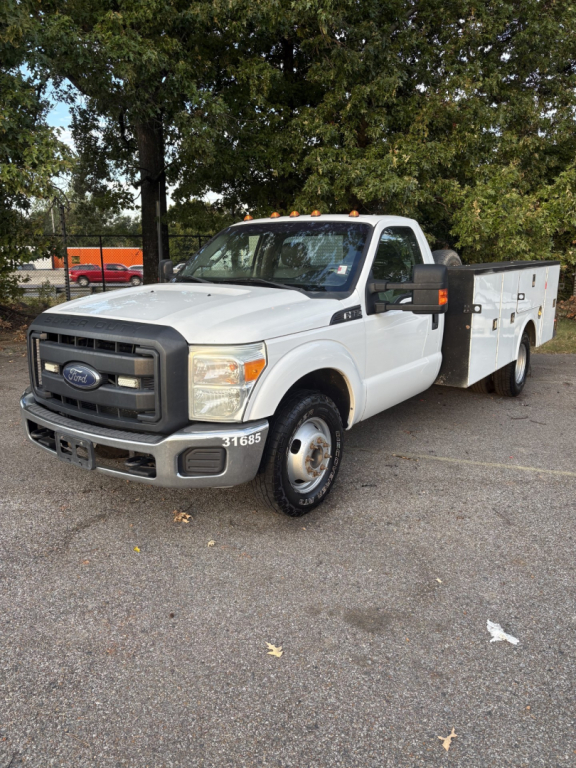
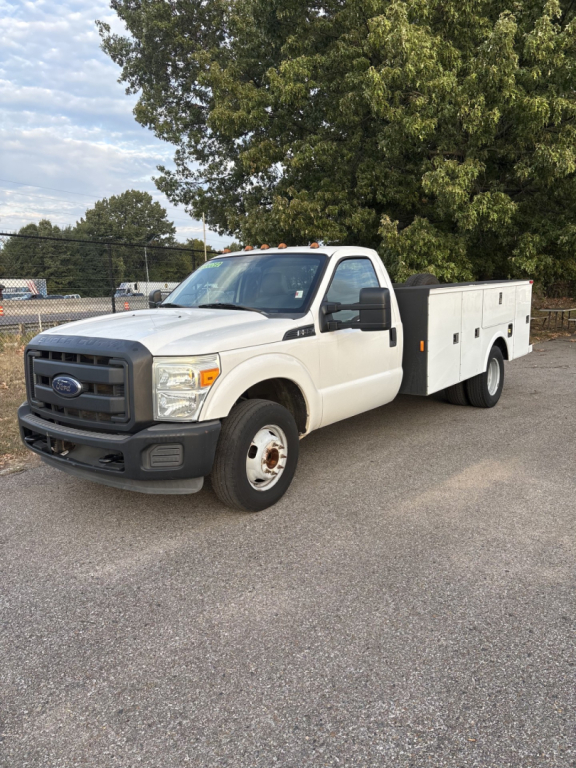
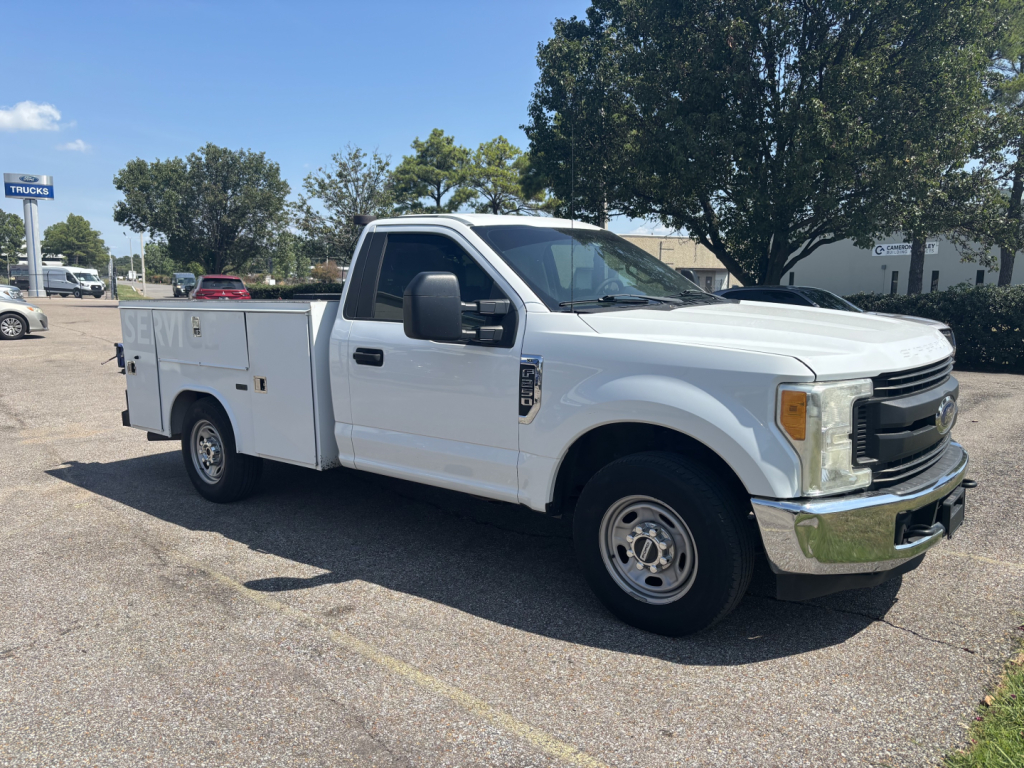

Selling a ford cab and chassis truck? List your ford cab and chassis truck for sale and reach thousands of commercial buyers.
Ford Cab and Chassis Trucks in Tennessee
One of the biggest buying decisions is matching the chassis to the intended upfit and payload. GVWR, rear axle rating, wheelbase, cab style, and cab-to-axle dimension all matter because they determine which service body, flatbed, dump body, utility body, or specialty body can be installed correctly. Ford cab and chassis trucks are often spec'd with the 6.7L Power Stroke diesel for higher torque and towing performance, though gas engines can make sense for lighter-duty local routes with lower acquisition and maintenance costs. Common features include dual rear wheels, PTO capability on certain configurations, trailer brake controllers, 4x2 or 4x4 drivetrains, and vocational-friendly suspension packages.
Used Ford cab and chassis trucks should be evaluated like any vocational platform, not just as a pickup. Frame condition is critical, especially on units that may have carried utility equipment, tool bodies, or other permanent upfits. Buyers should check for drilled or modified frame sections, corrosion, previous body removal, electrical add-ons, idle hours, and signs of heavy trailer use. On diesel models, maintenance records, emissions system condition, transmission performance, and cooling system service history can tell you more than odometer mileage alone. If the truck is being purchased for an immediate body install, verify wheelbase, axle spacing, fuel tank placement, and rear frame length before committing.
Ford chassis cabs also appeal to buyers who want flexibility over time. A properly spec'd truck can be repurposed from one body style to another if the frame, axle ratings, and electrical architecture support it. That matters for fleets trying to standardize around one manufacturer while still covering multiple applications. In Tennessee, where trucks may split time between highway travel, jobsite access, and trailer work, the right Ford cab and chassis setup usually comes down to practical details: diesel versus gas, 4x4 versus 4x2, regular cab versus crew cab, and the exact weight class needed to stay productive without overspending on capacity.
Frequently Asked Questions about Ford Cab and Chassis Trucks in Tennessee
What is a Ford cab and chassis truck?
A Ford cab and chassis truck is a chassis-cab configuration sold with the cab, front clip, drivetrain, and open rear frame so a buyer can install a vocational body. Common body types include flatbeds, service bodies, dump bodies, utility bodies, box bodies, and specialized equipment upfits. It differs from a pickup because the rear bed is not factory installed and the frame dimensions are intended for commercial body integration.
Which Ford cab and chassis model is best for heavier work?
That depends on payload, trailer weight, and the body being installed. An F-350 chassis cab can work well for lighter commercial bodies and moderate towing, while F-450 and F-550 chassis cab models are more common when buyers need higher GVWR, stronger rear axle capacity, and better support for heavier service bodies or dump applications. The right choice starts with axle ratings, body weight, cargo weight, and towing requirements rather than model name alone.
What should I check on a used Ford cab and chassis truck before buying?
Start with the frame, suspension, axle ratings, and any evidence of previous upfit work. Look for rust, extra frame holes, weld repairs, altered wiring, PTO-related modifications, and rear frame damage from body removal or trailer use. On diesel trucks, review service history for the engine, transmission, cooling system, and emissions components. Also confirm wheelbase, cab-to-axle measurement, and rear frame length so the truck will accept the body you plan to install.
Is a diesel or gas Ford chassis cab better for Tennessee use?
Diesel is often preferred when the truck will tow regularly, carry heavier bodies, or run longer highway miles because it delivers strong low-end torque and better performance under load. Gas power can be the better value for lighter-duty service, local delivery, or municipal use where annual mileage is lower and maintenance simplicity matters more. The decision should be based on duty cycle, loaded weight, route length, and expected idle time.
Why do cab-to-axle and wheelbase measurements matter on a chassis cab?
These measurements determine what body can be mounted and how the completed truck will balance weight across the axles. A mismatch can create installation problems, poor load distribution, or clearance issues with toolboxes, hoists, fuel tanks, and lift equipment. On a Ford cab and chassis truck, verifying cab-to-axle, wheelbase, and usable frame length before purchase is one of the most important steps if the truck is intended for a new or replacement upfit.