
Kenworth Cab and Chassis Trucks For Sale in Tennessee
Shop Kenworth cab and chassis trucks in Tennessee. Compare wheelbases, GVWR, axle setups, and PTO-ready specs for body installation.
Learn more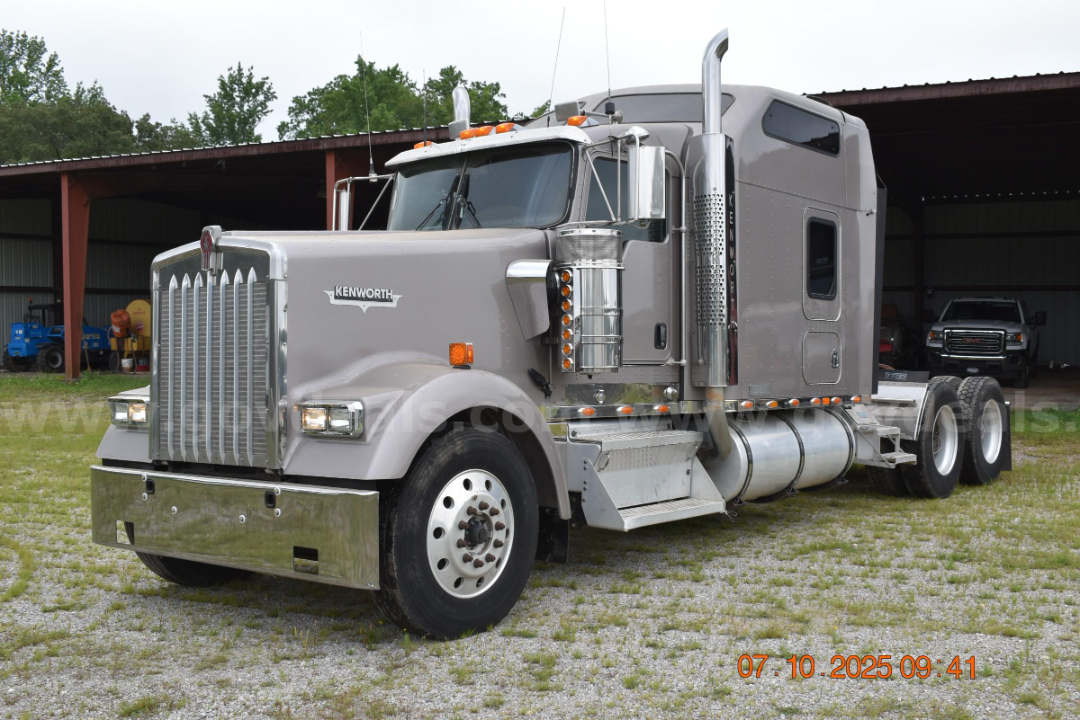
Have kenworth cab and chassis truck to sell? List it here to reach thousands of buyers.
About Kenworth Cab and Chassis Trucks in Tennessee
Kenworth is a strong fit in this category because the lineup commonly offers durable vocational platforms and straightforward body-builder integration. Models such as the W900, T800, and other conventional configurations are often spec'd for heavy-duty work with tandem drive axles, high GVWR ratings, and engines from Cummins, PACCAR, or in older trucks Caterpillar. Buyers should look closely at frame specs, suspension type, transmission choice, and whether the truck already has PTO provisions, crossmember layouts, and electrical connections needed for hydraulic equipment. If the truck will carry a crane, compressor, or hoist, front axle rating and available frame space matter just as much as horsepower.
A good cab and chassis purchase starts with the finished truck's target payload and body dimensions. Shorter wheelbases help maneuverability in urban delivery, municipal, and utility work, while longer wheelbases support larger bodies and better weight distribution. Tennessee operators running mixed highway and jobsite routes often prioritize a balance between ride quality and durability, so suspension design, axle ratio, and brake spec deserve attention. Day cabs are common, but cab style, visibility, hood length, and service access can affect driver acceptance and maintenance time over the life of the truck.
Condition matters more on a cab and chassis than many buyers expect because the value is tied to what can be built on it next. Check for frame modifications, corrosion, drilled rails, prior body removal damage, and any signs the truck was previously overloaded. Verify wheelbase measurements, cab-to-axle and cab-to-trunnion dimensions, and remaining tire, brake, and suspension life before budgeting for a body install. For buyers comparing listings, the best Kenworth cab and chassis truck is usually the one with the cleanest frame, the right axle ratings, and a spec that reduces fabrication time once the upfit begins.
Frequently Asked Questions
What is a Kenworth cab and chassis truck used for?
A Kenworth cab and chassis truck is used as a base vehicle for installing a vocational or commercial body. Common applications include dump bodies, flatbeds, service bodies, rollbacks, box bodies, tankers, hooklifts, refuse equipment, and utility bodies. The truck is sold with the cab, frame, drivetrain, and axles in place, allowing the buyer to match the chassis to a specific job requirement.
What specs matter most when buying a cab and chassis truck?
The most important specs are wheelbase, cab-to-axle dimension, GVWR, front and rear axle ratings, frame rail strength, suspension, transmission, and PTO capability. Buyers also need to confirm back-of-cab clearance, fuel tank placement, exhaust layout, and any frame modifications that could affect body installation. These measurements determine what body will fit and how well the finished truck will carry weight.
Are Kenworth cab and chassis trucks good for vocational upfits?
Kenworth cab and chassis trucks are widely used for vocational upfits because they are commonly available in heavy-duty configurations with strong frames, multiple axle options, and body-builder friendly layouts. They are often spec'd for demanding applications where durability, serviceability, and component choice matter. The right truck still depends on matching the chassis to the body, payload, and hydraulic or PTO requirements of the final application.
How do I choose the right wheelbase for a cab and chassis truck?
The right wheelbase depends on the body length, axle spread, turning needs, and target weight distribution of the completed truck. A shorter wheelbase improves maneuverability and can be better for city work or tight jobsites, while a longer wheelbase supports larger bodies and can help distribute payload more effectively. The key is to use the body manufacturer's dimensional requirements and confirm cab-to-axle measurements before purchase.
Should I worry about prior body installation on a used cab and chassis?
Yes. A used cab and chassis should be inspected for drilled or altered frame rails, weld repairs, corrosion, electrical splices, hydraulic remnants, and damage left behind from removing the previous body. Prior upfits are common and not necessarily a problem, but poor modifications can increase installation cost and shorten chassis life. A clean, straight frame with documented measurements is usually more valuable than a lower-priced truck that needs rework.