
Peterbilt Cab and Chassis Trucks For Sale in Tennessee
Shop Peterbilt cab and chassis trucks in Tennessee. Compare wheelbase, axle setup, engine, and PTO-ready specs for body upfit applications.
Learn more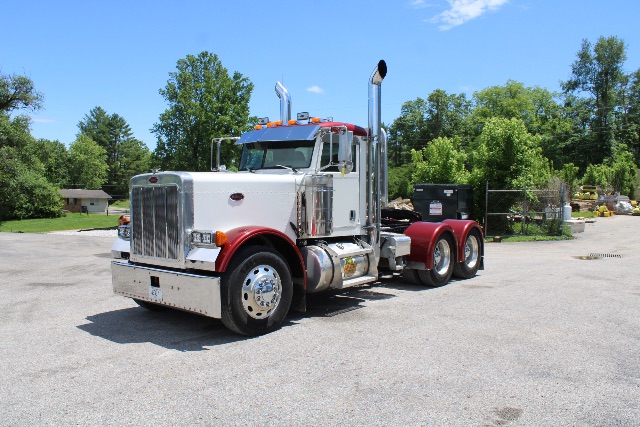
Have peterbilt cab and chassis truck to sell? List it here to reach thousands of buyers.
About Peterbilt Cab and Chassis Trucks in Tennessee
The first buying decision is usually wheelbase and axle layout. That determines what body length you can install, how the truck will bridge on state roads, and how it will maneuver on job sites or in urban delivery work. Buyers should also look closely at frame rail strength, rear axle ratings, suspension type, and cab-to-axle measurement because those numbers directly affect body fitment. On Peterbilt models, buyers often focus on proven vocational and heavy-haul platforms with set-forward axle configurations, strong cooling packages, and engine options from Caterpillar, Cummins, or Paccar, paired with Eaton manual or automated transmissions. If the truck will run hydraulic equipment, verify PTO provisions, transmission compatibility, and available pump mounting space before purchase.
Engine and driveline spec matter just as much as body fit. A higher-horsepower setup with deeper rear ratios may suit severe-duty hauling, while a lighter vocational build may prioritize fuel economy and lower operating cost. In hilly Tennessee terrain, torque, transmission gearing, and axle ratio can make a noticeable difference in startability and grade performance, especially once the truck is fully outfitted. Check for clean frame history, signs of prior body removal, crossmember condition, and whether the rails have been drilled, sleeved, or modified. Those details affect upfit cost and can determine how easily a new body can be mounted.
Peterbilt cab and chassis trucks also appeal to buyers who want serviceability and driver acceptance. The brand is well known for durable interiors, straightforward switch layouts, and broad parts support. For used units, pay attention to wheelbase changes, electrical provisions for body controls, brake type, tire size, and front axle capacity, since those items often decide whether a chassis is ready for a straightforward install or a more expensive rework. A well-matched Peterbilt cab and chassis can serve as a long-term platform for vocational work, regional hauling, utility service, or municipal fleet use.
Frequently Asked Questions
What is a Peterbilt cab and chassis truck used for?
A Peterbilt cab and chassis truck is used as a base platform for adding a vocational or commercial body. Common applications include dump trucks, flatbeds, rollback carriers, service bodies, tank trucks, hooklift systems, box bodies, and utility builds. The chassis is sold with the cab, frame, drivetrain, and running gear in place, allowing the buyer to install a body that matches the exact job requirement.
What specs matter most when buying a cab and chassis truck?
The most important specs are cab-to-axle measurement, wheelbase, axle ratings, frame dimensions, suspension type, and PTO compatibility. Buyers should also confirm engine horsepower, torque, rear axle ratio, transmission type, brake configuration, and front axle capacity. These specs determine body compatibility, payload capability, maneuverability, and how well the truck will perform once fully upfitted.
Why is wheelbase important on a Peterbilt cab and chassis?
Wheelbase affects body length, turning radius, bridge compliance, ride quality, and weight distribution. A longer wheelbase can support a larger body and improve stability, but it may reduce maneuverability in tight yards or city routes. A shorter wheelbase is easier to handle in confined spaces, but it limits body options and can affect axle loading once equipment is installed.
Can a used Peterbilt cab and chassis be easily upfitted with a new body?
Many used Peterbilt cab and chassis trucks can be upfitted successfully, but the frame and electrical system should be inspected carefully first. Buyers should look for prior frame modifications, corrosion, extra drill holes, crossmember damage, and evidence of previous body mounts. It is also important to verify PTO access, body-control wiring, and available frame space so the new installation does not require costly fabrication.
Are Peterbilt cab and chassis trucks a good choice for Tennessee operations?
Peterbilt cab and chassis trucks are a strong fit for Tennessee because they can be spec'd for both regional highway travel and vocational work in hilly terrain, construction sites, and municipal service. Buyers in Tennessee often need a balance of road speed, low-end torque, and durable suspension capacity. Matching axle ratio, horsepower, and body configuration to the terrain and payload is especially important for reliable performance across the state.