
Cab and Chassis Trucks For Sale in New Jersey
Shop cab and chassis trucks for sale in New Jersey. Compare GVWR, wheelbase, engine, axle, and body-ready specs for your next upfit.
Learn moreBrowse Cab and Chassis Trucks by Make


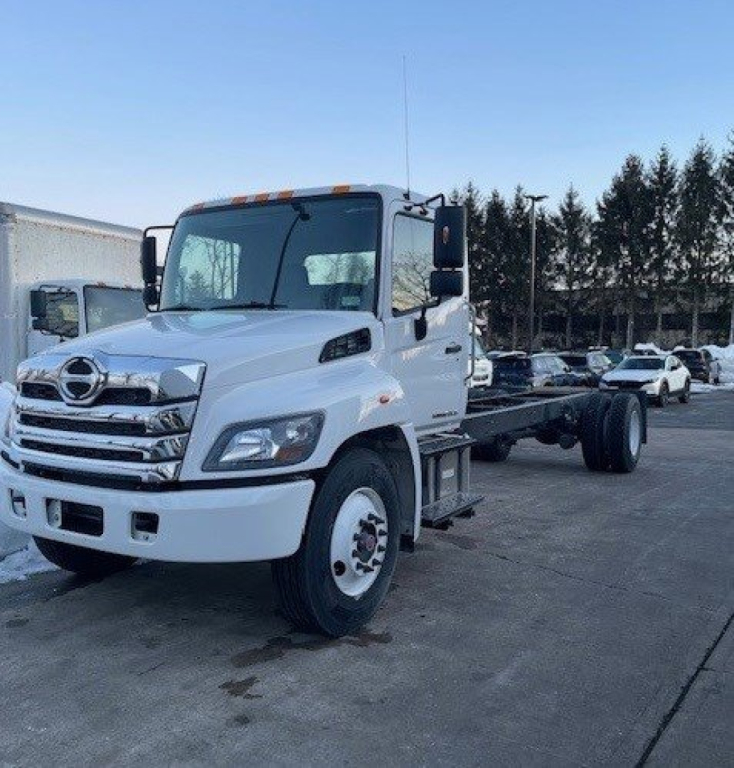
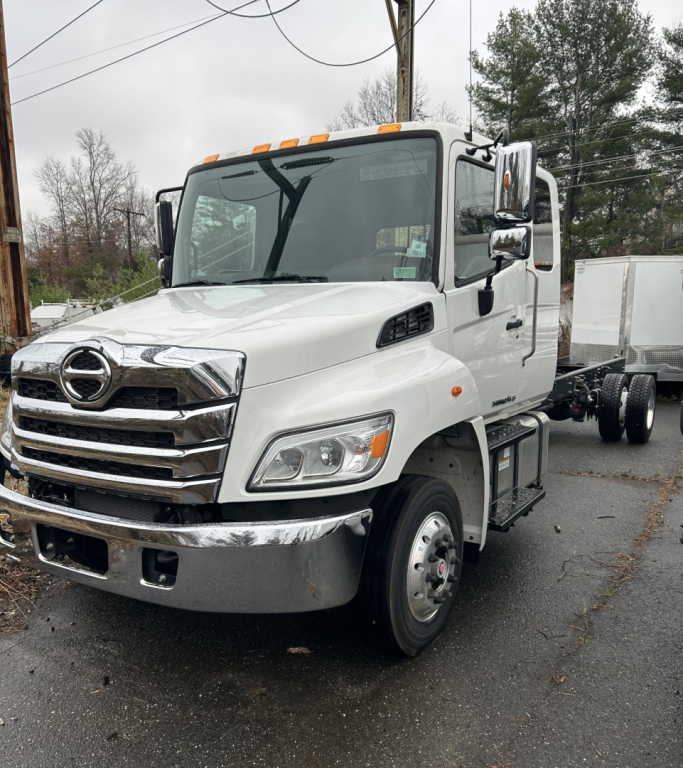
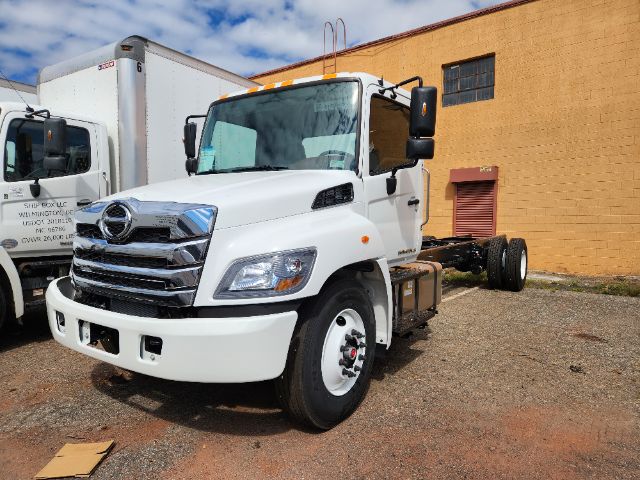
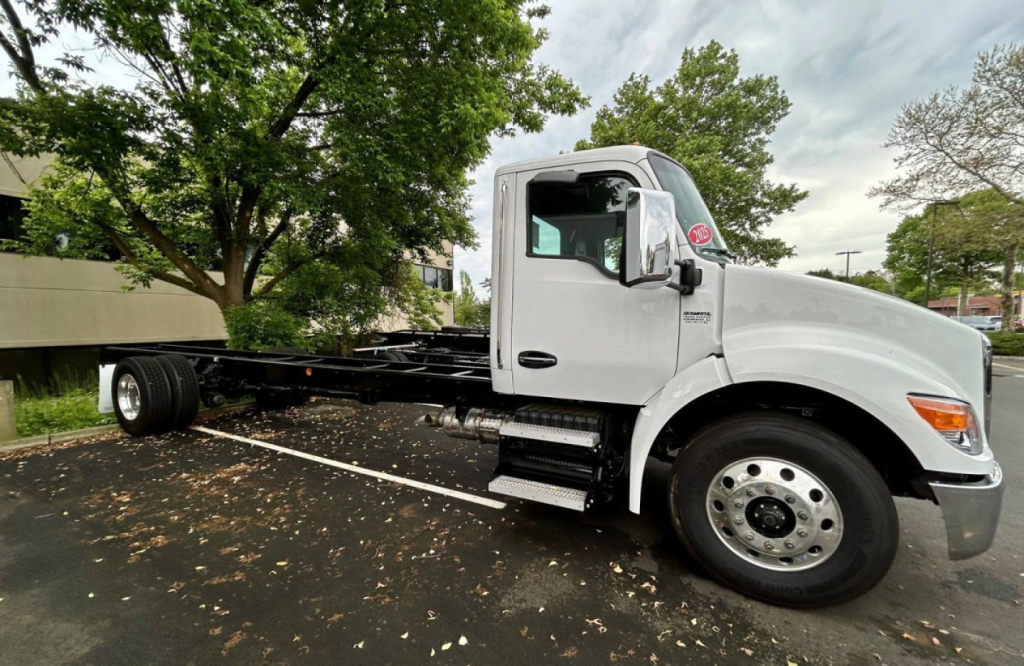
Have cab and chassis truck to sell? List it here to reach thousands of buyers.
About Cab and Chassis Trucks in New Jersey
The first decision is usually GVWR and CDL impact. Medium-duty cab and chassis trucks are commonly spec'd right under 26,000 GVWR for non-CDL operation, with 25,950 and 26,000 GVWR configurations being especially common for local delivery and municipal work. Buyers should match the chassis rating to the body, payload, liftgate or hoist weight, and any refrigeration unit or tool package planned for the build. Wheelbase matters just as much. A chassis set up for a 20-foot body is different from one intended to carry a 24-foot or 26-foot box, and incorrect cab-to-axle dimensions can limit body options or create poor weight distribution. On heavier specs, look closely at front and rear axle ratings, suspension type, brake system, and frame reinforcement if the truck will carry concentrated loads or hydraulic equipment.
Powertrain choices in this category usually center on diesel medium-duty platforms from brands like Kenworth, Hino, Ford, and others. Common setups include 4-cylinder and 6-cylinder diesels paired with Allison automatic transmissions, especially for stop-and-go delivery, service fleets, and mixed-driver operations. Buyers in dense Northeast routes often prioritize visibility, turning radius, heated mirrors, air brakes on heavier GVWR units, and interior ergonomics that make the truck easy to hand off between drivers. Rear axle ratio is another important spec that affects launch, gradeability, and highway rpm. A truck spending its life on local urban routes will often be geared differently than one running regional delivery with a tall van body.
A good cab and chassis purchase comes down to body compatibility and total finished cost, not just the base truck. Check wheelbase, cab-to-axle, frame height, exhaust routing, fuel tank placement, PTO provisions, and electrical access before committing to an upfit. If the truck is being used for reefer work, confirm engine cooling capacity and space for the refrigeration package. For hooklift, dump, or rollback applications, review frame section modulus, axle spread, and hydraulic integration. For delivery work in New Jersey, also consider overall height, bridge and street access, and dock maneuverability in older urban areas. A properly spec'd cab and chassis is one of the most versatile truck platforms in the market because it can be tailored closely to the route, payload, and body style the job actually requires.
Frequently Asked Questions
What is a cab and chassis truck?
A cab and chassis truck is a body-ready truck sold with the cab, frame rails, engine, transmission, axles, and suspension, but without the final vocational body installed. It is designed to accept an upfit such as a box body, reefer body, dump body, flatbed, utility body, hooklift, or stake body. Buyers choose this format when they need the chassis matched to a specific payload, body length, or hydraulic requirement rather than buying a prebuilt truck.
What specs matter most when buying a cab and chassis?
The most important specs are GVWR, wheelbase, cab-to-axle measurement, axle ratings, frame strength, suspension, brake type, and powertrain compatibility with the planned body. These numbers determine what body can be installed, how the weight will be distributed, and whether the finished truck will stay legal and practical in daily service. PTO capability, fuel tank placement, exhaust layout, and electrical access also matter because they affect how easily the truck can be upfitted.
Why are 25,950 to 26,000 GVWR cab and chassis trucks so common?
These GVWR ratings are common because they maximize payload while staying at or just under the typical CDL threshold for many applications. That makes them attractive for local delivery, route service, and fleet environments where employers want a wider hiring pool. The final body, liftgate, refrigeration unit, and cargo all count against usable payload, so buyers still need to calculate the finished curb weight carefully before assuming a non-CDL spec will meet the job.
How do I know what body length a cab and chassis can handle?
Body length is determined mainly by wheelbase, cab-to-axle dimension, rear overhang limits, and the weight of the intended cargo. A chassis set up for a 26-foot van body will not be spec'd the same as one intended for a shorter landscape or dump body. The upfitter should confirm the exact cab-to-axle and frame dimensions before installation because the wrong chassis can create axle overload, poor turning characteristics, or unusable body fitment.
Are diesel automatic cab and chassis trucks a good choice for urban New Jersey work?
In many cases, yes. Diesel engines paired with automatic transmissions are common on medium-duty cab and chassis trucks because they work well in stop-and-go service, reduce driver fatigue, and simplify operation across mixed fleets. For New Jersey routes, buyers often value tight turning, good sightlines, heated mirrors, strong cooling performance, and gearing suited to local streets, short highway runs, and frequent starts with a loaded body.