
Used XL Specialized Trailers For Sale
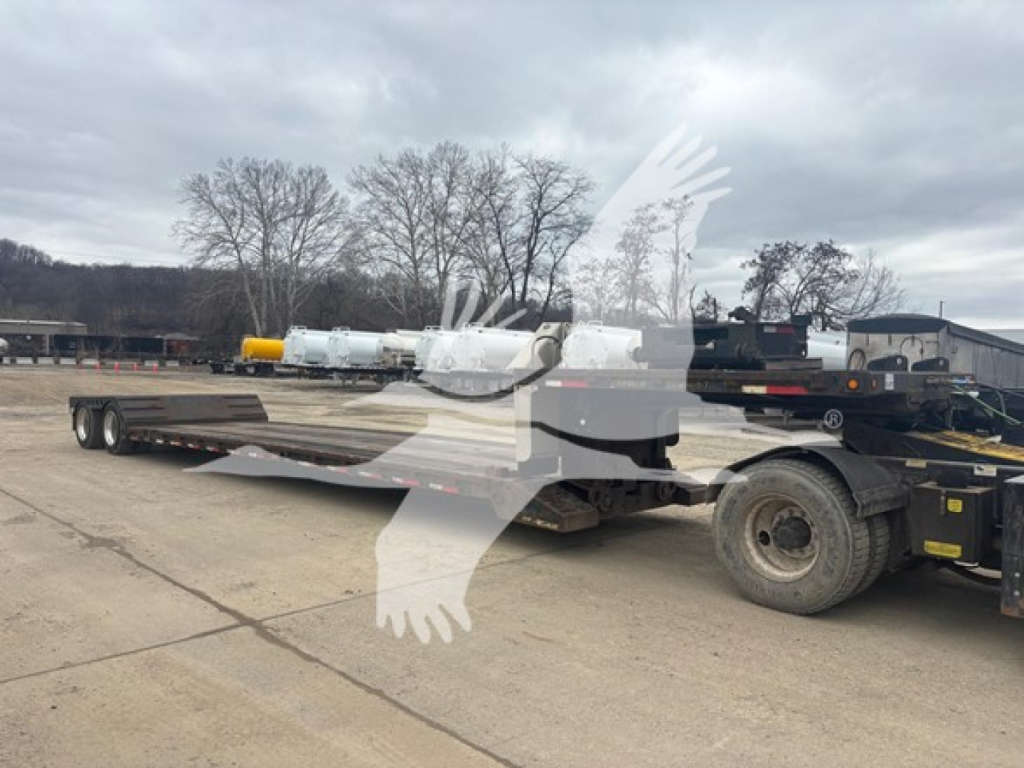
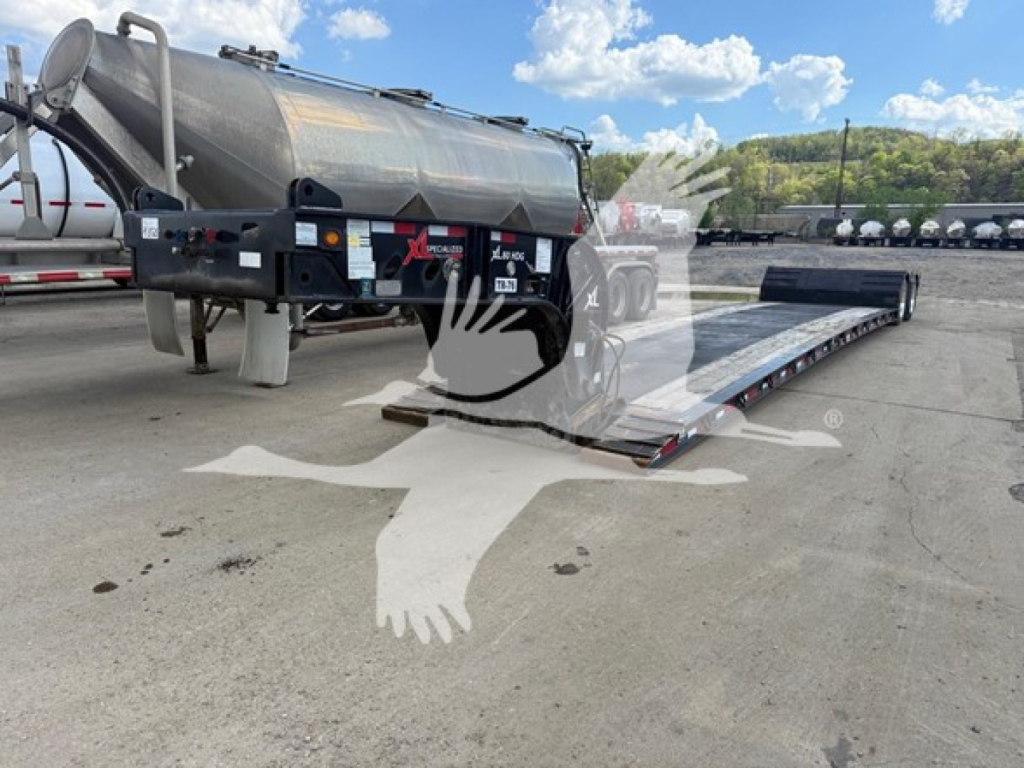
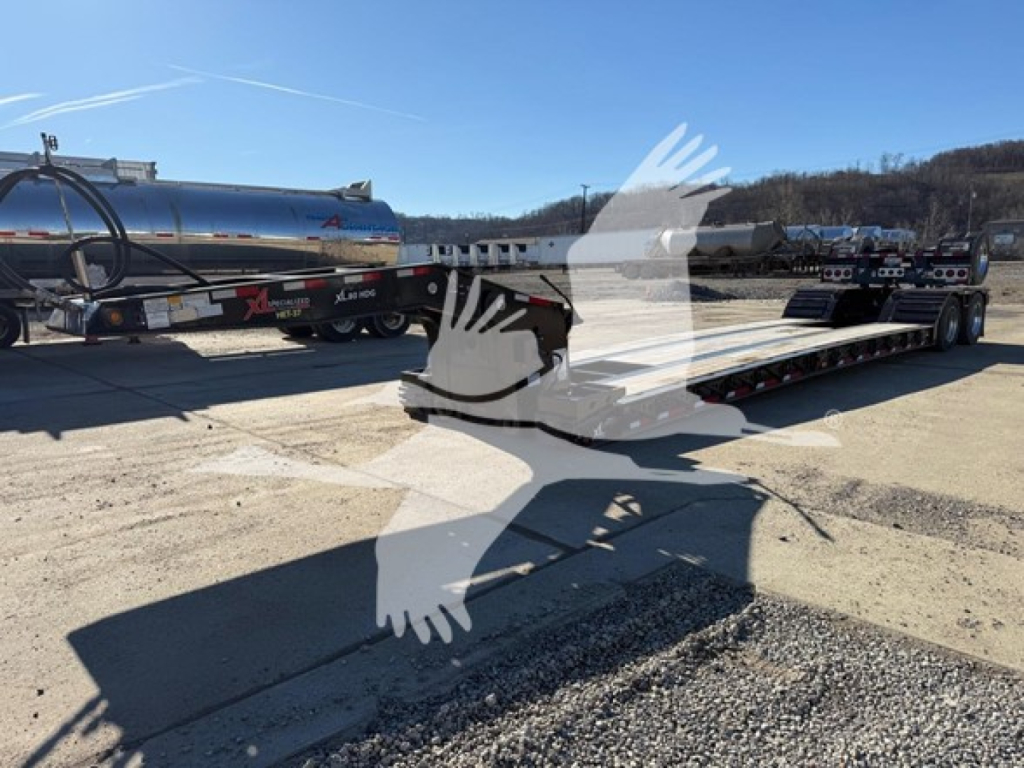
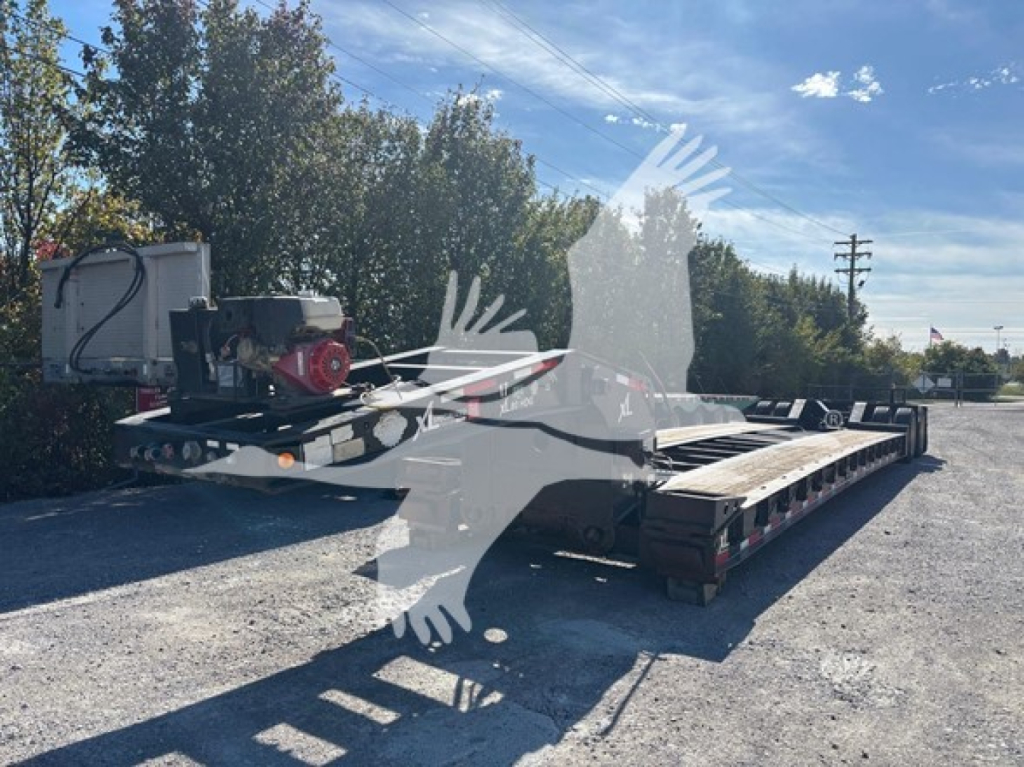
Shop used XL Specialized trailers, including lowboys and double drops, with hydraulic detach necks, low deck heights, air ride, and heavy-haul specs.
Learn moreBrowse XL Specialized Trailers by Category
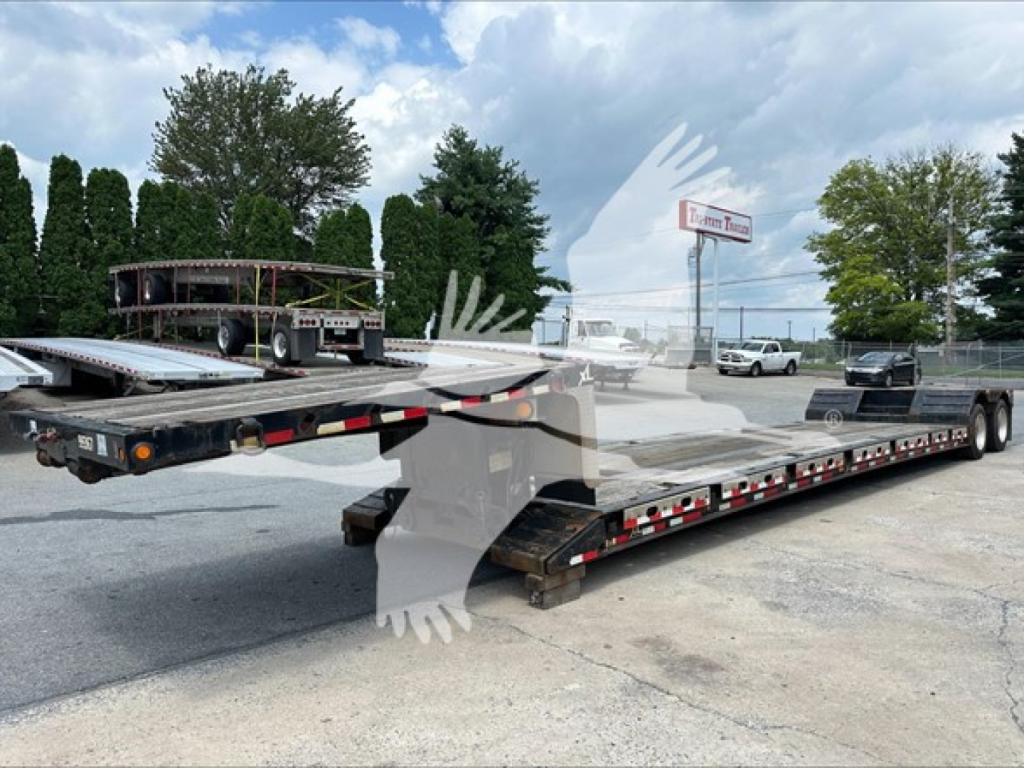
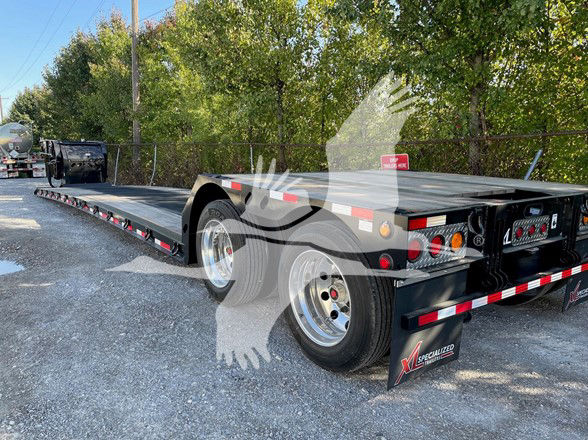
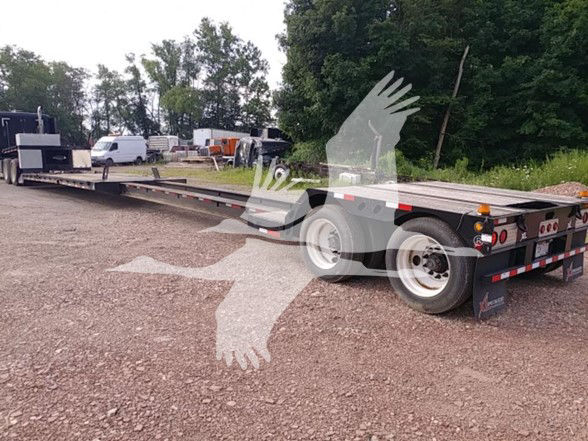
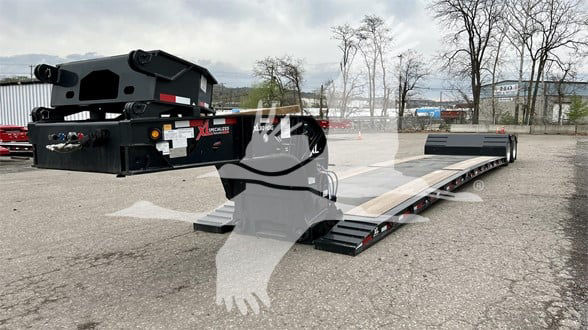
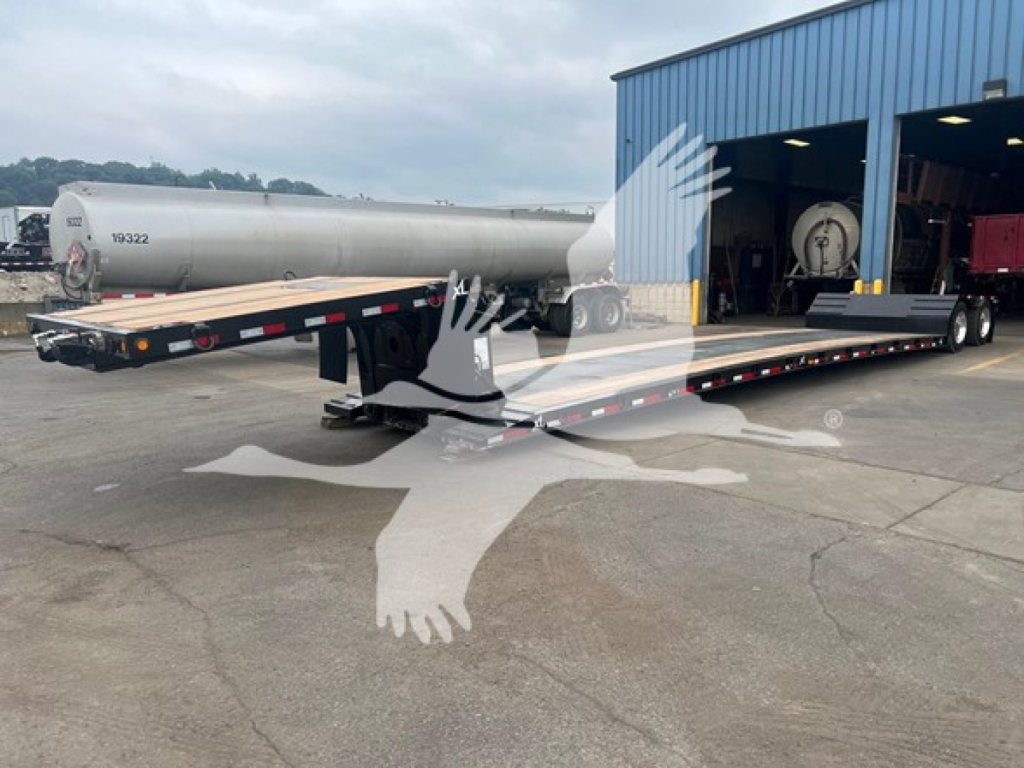
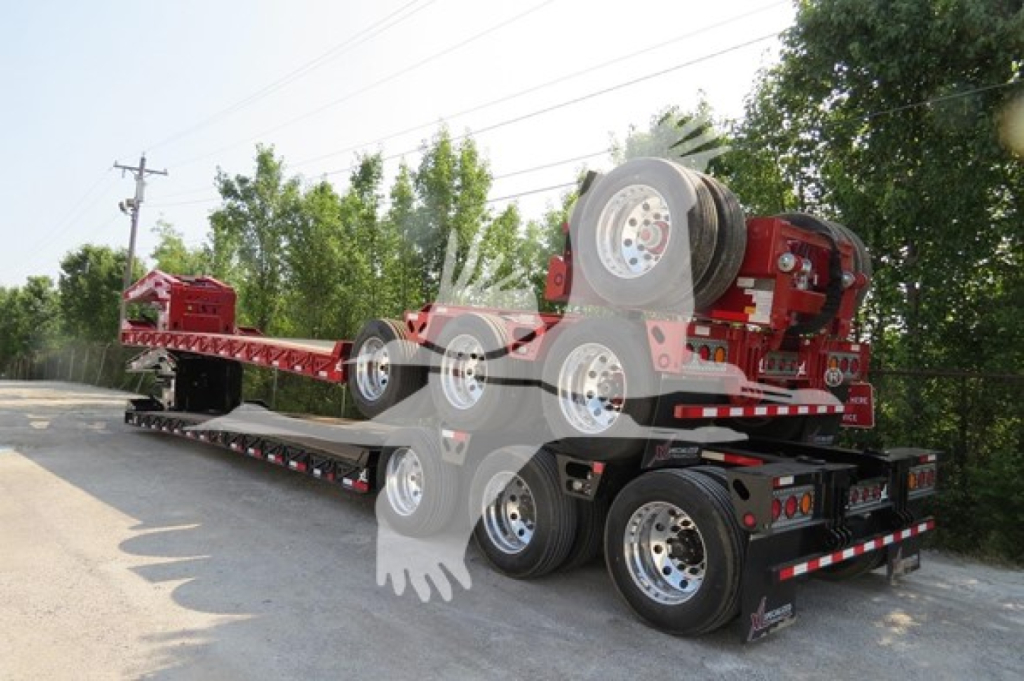
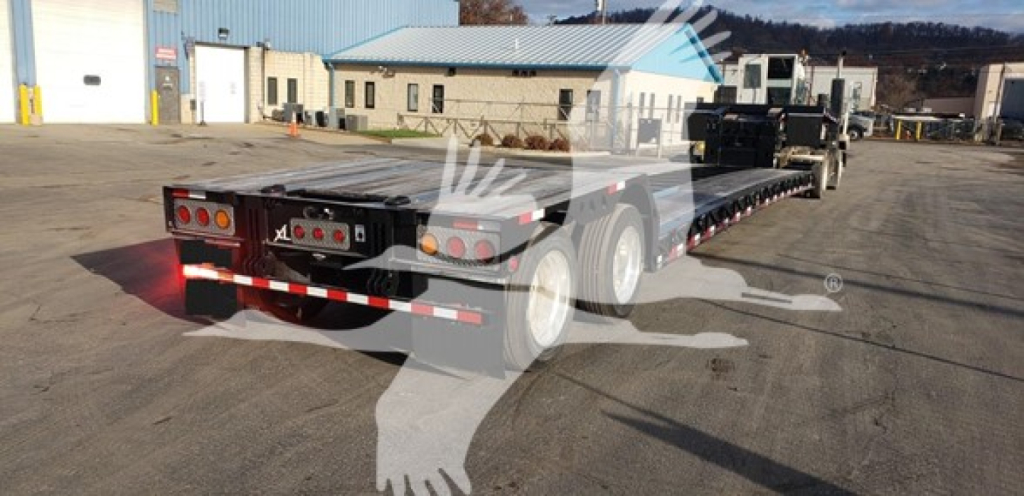
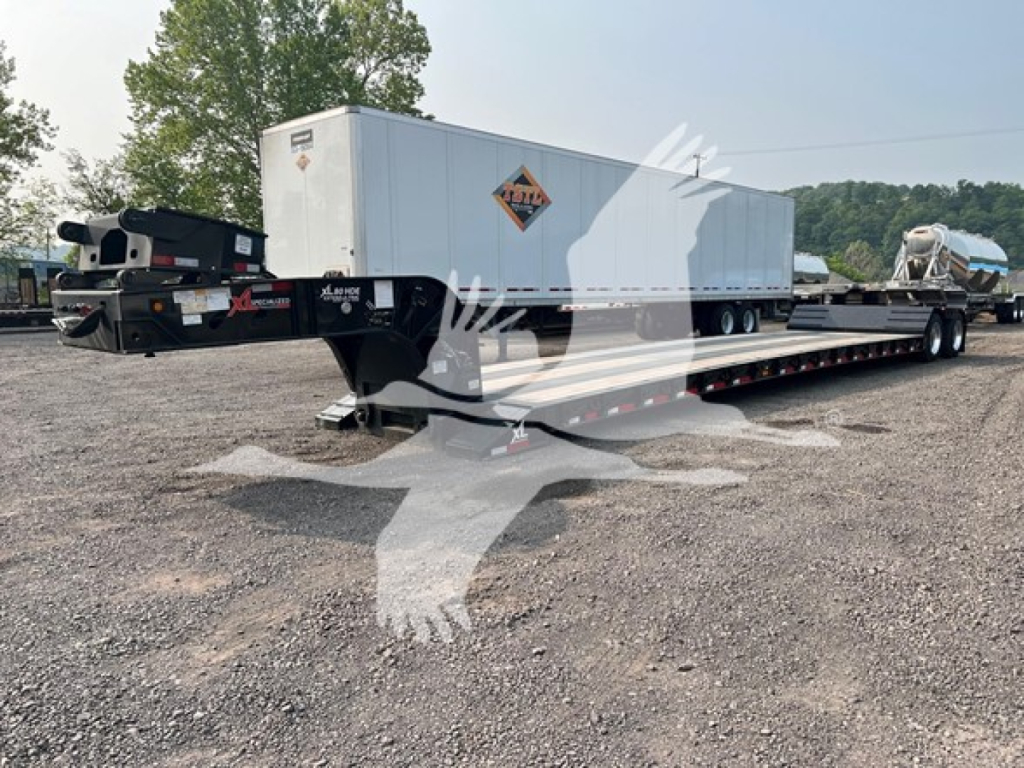
Have used xl specialized trailer to sell? List it here to reach thousands of buyers.
About Used XL Specialized Trailers
A lot of used XL Specialized trailers are spec'd with hydraulic detachable necks, sometimes called hydraulic detach lowboys or HDG trailers. That matters if fast loading, frequent loading cycles, and non-ground-bearing neck operation are part of the job. Common details include loaded deck heights around 12 to 20 inches, 102-inch overall width, apitong decking, air ride suspension, and 255/70R22.5 or 275/70R22.5 rubber. You will also see practical heavy-haul features like swing-out outriggers on 24-inch centers, chain drops, D-rings, ride height adjustment, manual raise and lower valves, and liquid-filled gauges. On XL Specialized units, kingpin settings, neck stroke, and swing clearance are especially important because they affect tractor compatibility, turning room, and loading angle for taller machines.
For buyers comparing used units, the real separator is often deck layout. A 26-foot main deck works well for many crawler tractors and shorter iron, while longer or extendable decks fit components, attachments, and mixed loads that need more flexibility. Mini deck and double drop expandable models can be a strong fit when low deck height is the priority and the freight does not require the full beam and bridge structure of a higher-capacity lowboy. Flip axle provisions, bucket wells, boom wells, front flip ramps, and classic versus scraper-style neck designs are also worth checking because they affect how broadly the trailer can be used across different jobs. If your freight changes week to week, an adaptable trailer with outriggers, rear bridge space, and flip axle compatibility usually holds value better than a narrow-purpose spec.
Condition on a used XL Specialized trailer should be judged by more than paint and tire percentage. Buyers should pay close attention to brake wear, suspension condition, axle alignment, deck and beam repairs, neck cylinder operation, electrical system condition, and any stress around the gooseneck, main beam transitions, and rear bridge. Verify inspection status, current tare weight, crossmember spacing, and whether the trailer has been operating with concentrated excavator loads, paving equipment, or evenly distributed freight. A well-maintained XL Specialized trailer can be a very durable heavy-haul platform, but the right choice depends on matching capacity, deck geometry, and attachment options to the exact machines and permit routes you run.
Frequently Asked Questions
What are used XL Specialized trailers typically used for?
Used XL Specialized trailers are typically used for hauling heavy equipment and over-dimensional freight that needs a low deck height and strong weight distribution. Common applications include excavators, dozers, loaders, pavers, rollers, agricultural equipment, and specialized construction machinery. Many buyers choose XL Specialized lowboys and double drops because the brand is well known in heavy-haul service and offers configurations that support both general equipment transport and more demanding permit loads.
What should I check first on a used XL Specialized lowboy or hydraulic detach trailer?
Start with the structural and hydraulic components before looking at cosmetic condition. Inspect the gooseneck, neck cylinders, beam flanges, deck transitions, outriggers, and rear bridge for signs of cracks, plated repairs, or distortion. Confirm axle spacing, suspension type, brake condition, tire size, and whether the ride height controls and detachable neck function properly. It is also important to verify kingpin settings, deck height, swing clearance, and whether flip axle or jeep connections match your intended tractor and load setup.
How do I choose between an XL Specialized lowboy and a mini deck or double drop expandable?
The best choice depends on the freight profile. A traditional lowboy is usually the better fit for heavier machines and more concentrated equipment loads, especially when higher tonnage ratings and flip axle options are required. A mini deck or double drop expandable is often preferred when extremely low loaded height is critical and the freight is longer, taller, or less concentrated. Deck length, loaded deck height, swing clearance, and rear bridge design should all be matched to the machines you haul most often.
Are air ride suspension and hydraulic detachable necks common on used XL Specialized trailers?
Yes. Many used XL Specialized trailers are equipped with air ride suspension and hydraulic detachable goosenecks because those features are standard in a large part of the brand's heavy-haul lineup. Air ride helps with load stability and ride quality, while a hydraulic detach neck speeds up loading and unloading compared with more basic fixed-neck designs. Buyers should still confirm the exact suspension brand, axle count, ride height adjustment features, and the operating condition of the hydraulic system on any individual trailer.
Why do swing clearance and kingpin setting matter on XL Specialized trailers?
Swing clearance and kingpin setting have a direct effect on tractor compatibility, loading angles, and safe turning with tall or wide equipment. Swing clearance determines how much room there is between the neck and the front of the load during turns or loading. Kingpin setting affects fifth wheel placement, bridge law setup, and how the trailer tracks with a specific tractor. On heavy-haul XL Specialized trailers, these measurements are important enough that they should be confirmed before purchase, especially if the trailer will run with multiple tractors or on strict permit routes.