
Used XL Specialized Lowboy Trailers For Sale
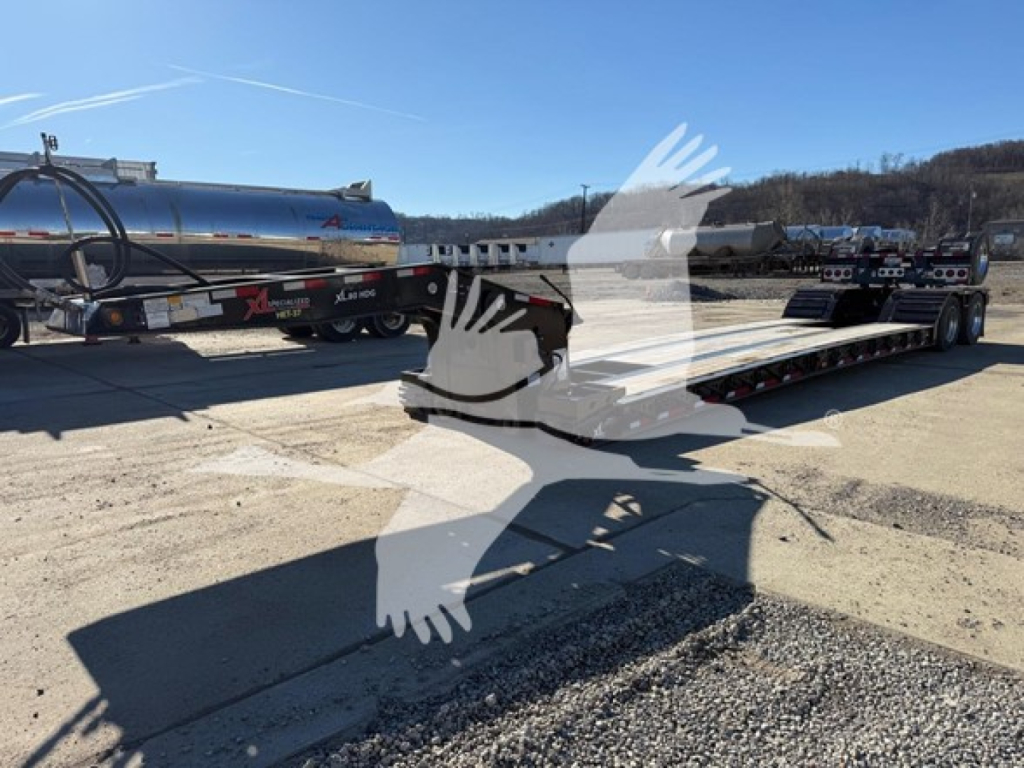
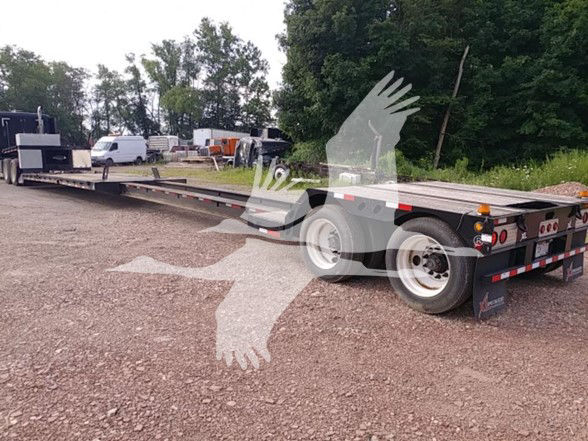
Shop used XL Specialized lowboy trailers built for heavy equipment hauling, with detachable goosenecks, low deck heights, and high-capacity specs.
Learn more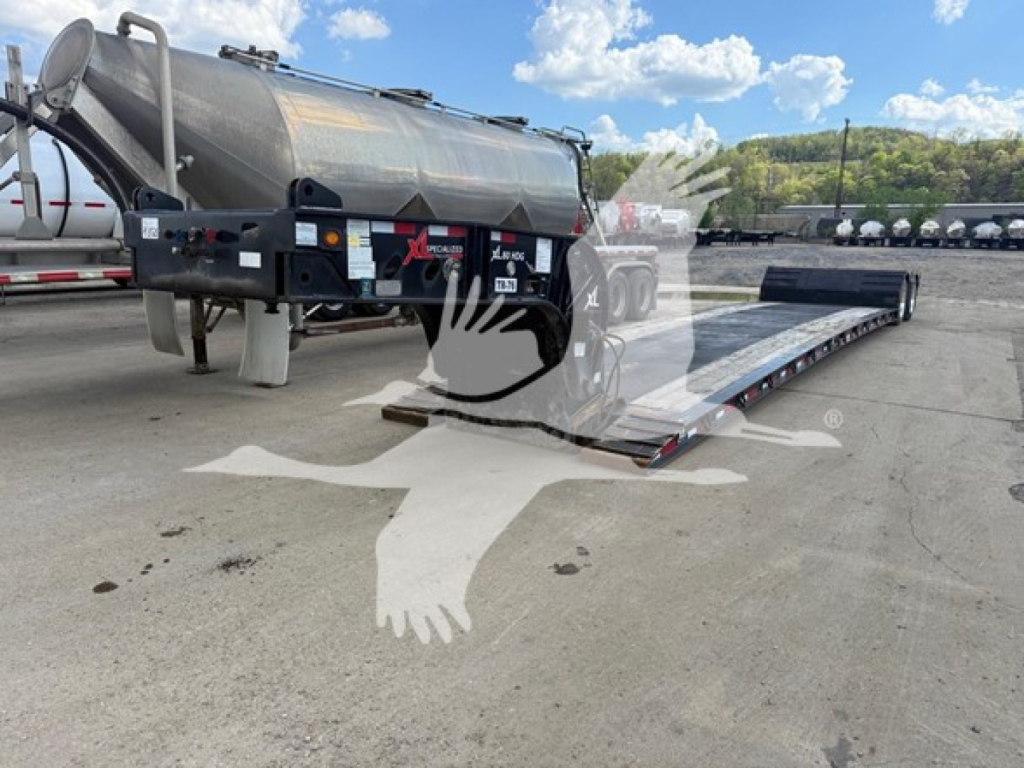
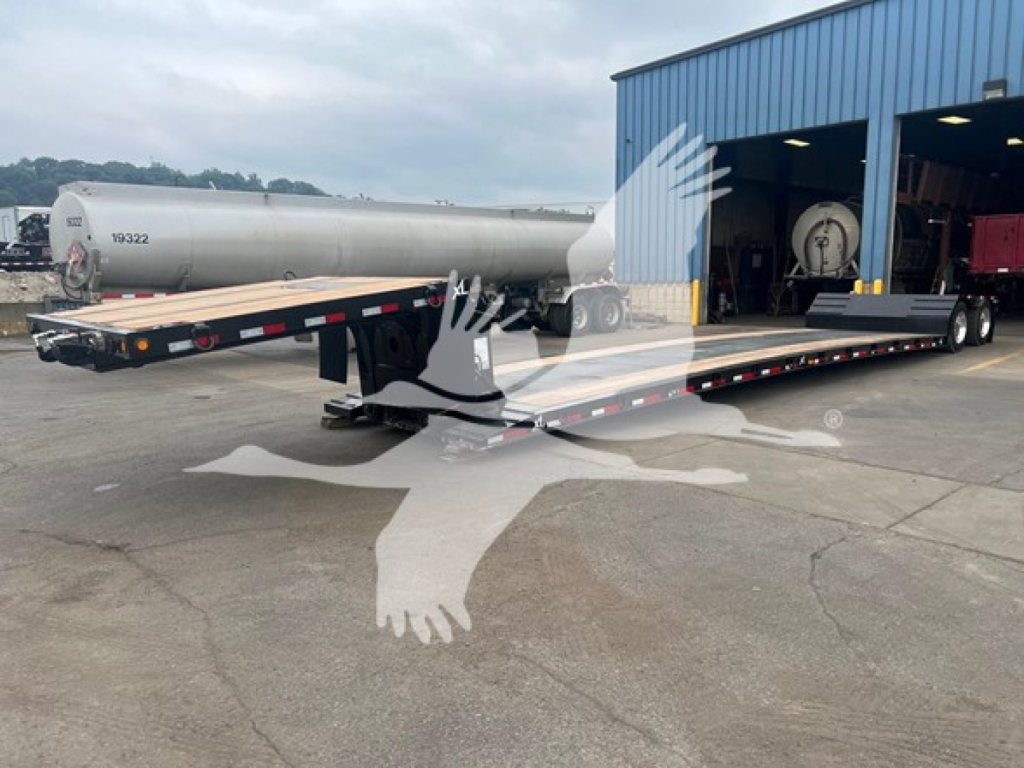
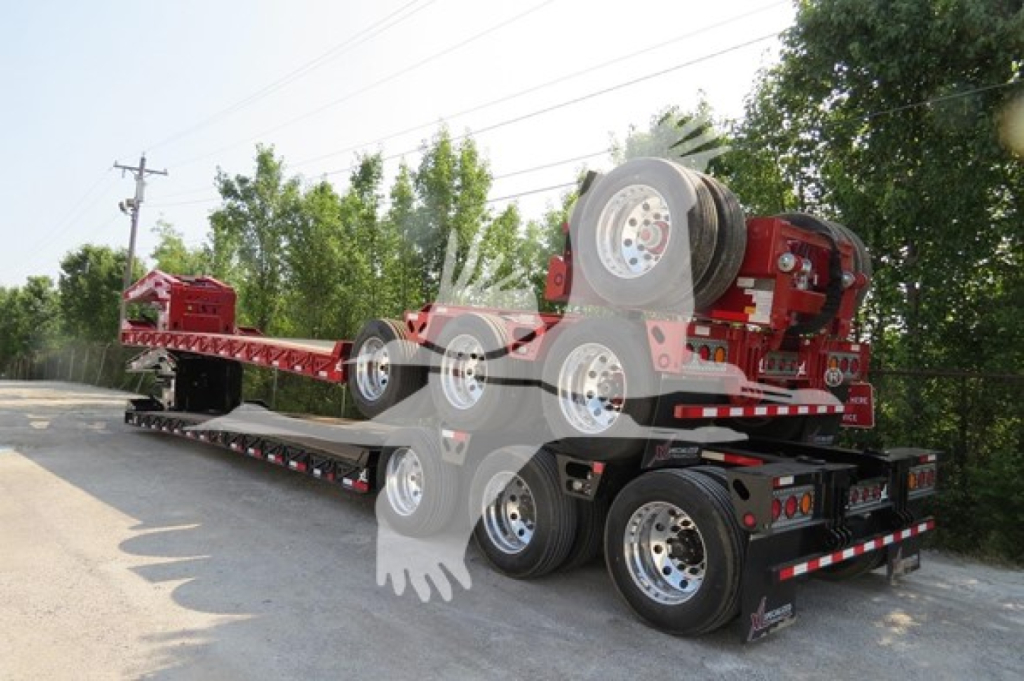
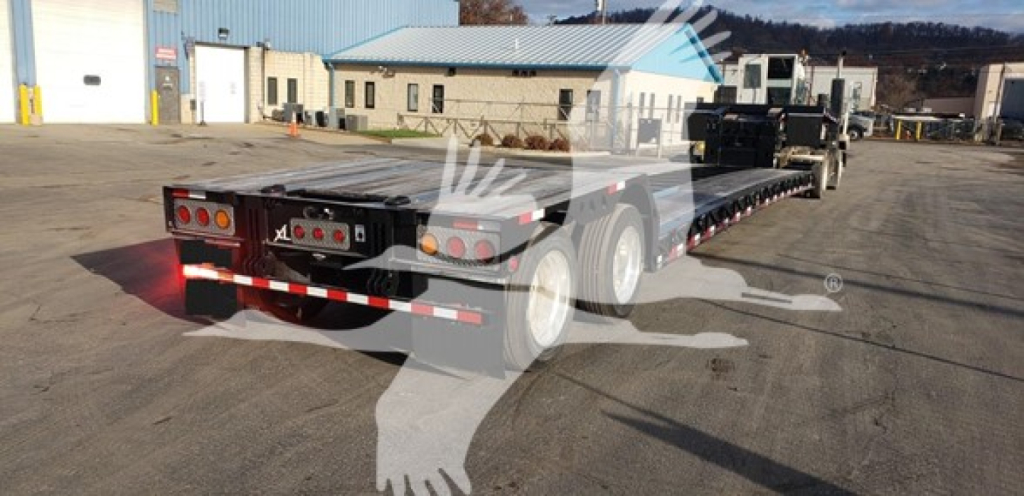
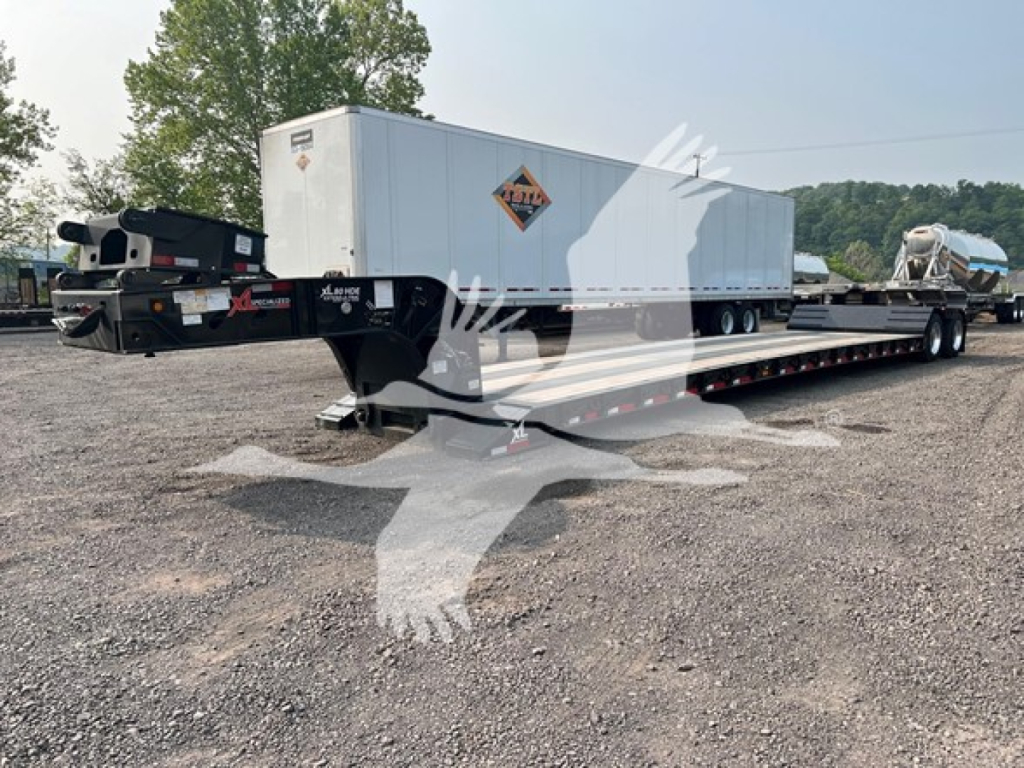
Have used xl specialized lowboy trailer to sell? List it here to reach thousands of buyers.
About Used XL Specialized Lowboy Trailers
In this category, common specs include 102-inch width, deck lengths around 48 to 53 feet, main deck sections in the high-20 to low-30 foot range, and loaded deck heights often around 18 to 22 inches. Many XL Specialized lowboys use Apitong flooring, air ride suspension, 22.5 low-profile tires, and 16-inch or 18-inch kingpin settings. Mechanical detachable lowboys are valued for simpler operation and lower system complexity, while hydraulic detachable models are faster to connect and disconnect and are often preferred in fleets that load multiple machines per day. Some models are fixed-length, while others are extendable for longer equipment or special permitting needs.
A serious buyer should look closely at the rating method, not just the headline tonnage. A trailer advertised as 35 ton, 40 ton, or 80,000-pound distributed capacity may have a very different rating in 10 feet, closed length, or with a flip axle installed. Check the rear bridge measurement, axle spacing, swing clearance, gooseneck ride height positions, and whether the trailer is prepped for a jeep, neck extension, or flip axle. D-rings, chain drops, outriggers, ramp style, crossmember spacing, and deck material also matter because they affect securement options and how well the trailer handles concentrated machine weight over time.
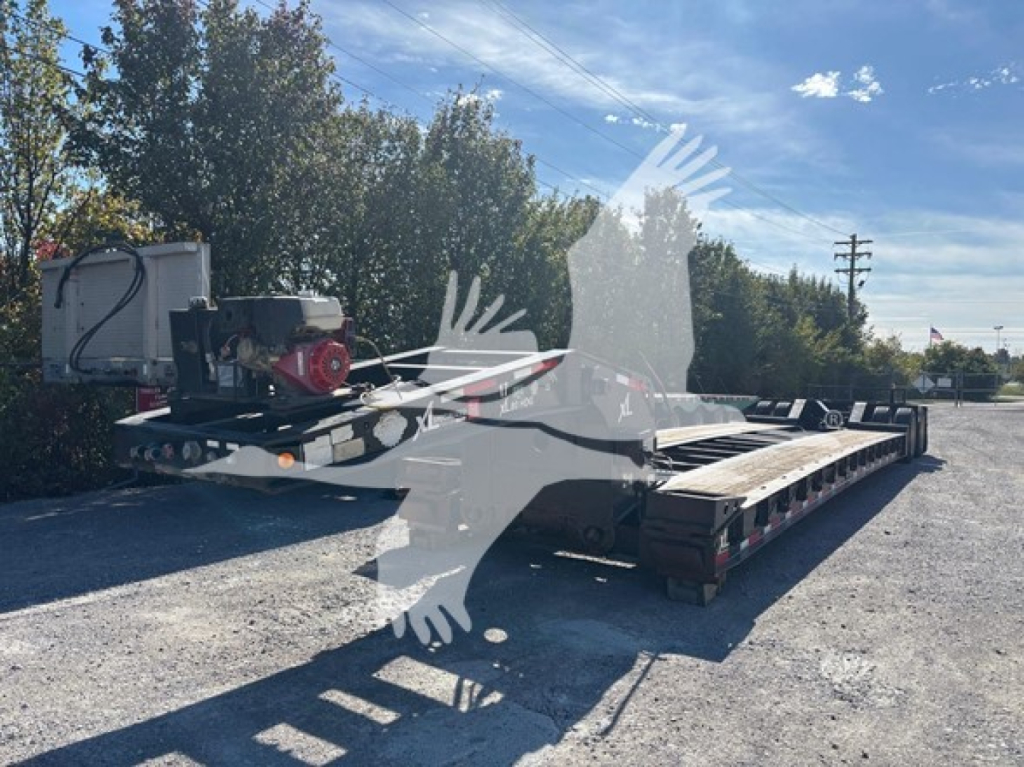
Condition on a used XL Specialized lowboy should be evaluated like any heavy haul trailer that has lived under iron. Look for deck wear, neck connection wear, suspension condition, brake life, tire match, wheel condition, and evidence of repairs around the rear frame, crossmembers, and main deck transition points. Check for twist, cracked welds, worn bushings, and damage from repeated loading with tracked equipment. If the trailer has hydraulic detach features or a pony motor, confirm the hydraulic system operates cleanly and the neck locks engage properly. A well-spec'd used XL Specialized lowboy can be a very efficient asset for construction, paving, aggregate, demolition, and equipment rental work, especially when the trailer's actual deck layout and capacity match the machines being hauled every day.
Frequently Asked Questions
What is the difference between a mechanical detachable and hydraulic detachable XL Specialized lowboy?
A mechanical detachable lowboy uses a simpler neck disconnect design and is often favored by buyers who want lower maintenance complexity and a straightforward setup. A hydraulic detachable lowboy uses hydraulic power, often with a pony motor, to make neck removal faster and easier during frequent loading cycles. Hydraulic detach trailers are popular in high-utilization heavy haul operations, while mechanical detach models remain attractive for buyers prioritizing simplicity, serviceability, and lower acquisition cost.
What capacity should I look for in a used XL Specialized lowboy trailer?
The right capacity depends on the machine's operating weight, track or tire footprint, and how that weight sits on the deck. Buyers should verify more than the advertised gross rating. Check capacity in 10 feet, distributed rating, axle configuration, and compatibility with flip axles or other accessories that affect legal payload. A trailer that matches the real weight concentration of your equipment is more important than a higher headline tonnage number.
Why does deck height matter on a lowboy trailer?
Deck height directly affects overall loaded height, which is critical for machines with cabs, booms, or tall attachments. A lower loaded deck height can reduce permit issues and route restrictions, especially when hauling construction equipment through areas with bridge and utility clearances. Deck height also influences loading angle, center of gravity, and how stable the trailer feels under taller machines.
What should I inspect first on a used XL Specialized lowboy?
Start with the neck, main frame, and suspension because those areas carry the highest structural and operational importance. Look for weld repairs, elongation at pin connection points, crossmember damage, deck wear from tracked equipment, and uneven tire or brake condition that may indicate alignment or suspension issues. If the trailer has hydraulic detach equipment, inspect the cylinders, hoses, pump, pony motor, and locking mechanisms to make sure the system operates correctly.
Are XL Specialized lowboys good for hauling construction equipment?
Yes. XL Specialized lowboy trailers are widely used in construction, paving, aggregate, demolition, and equipment rental fleets because they are built around the requirements of heavy machinery transport. Features such as low deck height, detachable gooseneck configurations, swing-out outriggers, D-rings, chain slots, and flip axle compatibility make them practical for hauling excavators, dozers, loaders, rollers, and similar equipment.