
Used Western Star Conventional Sleeper Trucks For Sale in Oklahoma
Browse used Western Star conventional sleeper trucks in Oklahoma. Compare specs, sleeper sizes, drivetrain options, and vocational-ready long-haul setups.
Learn more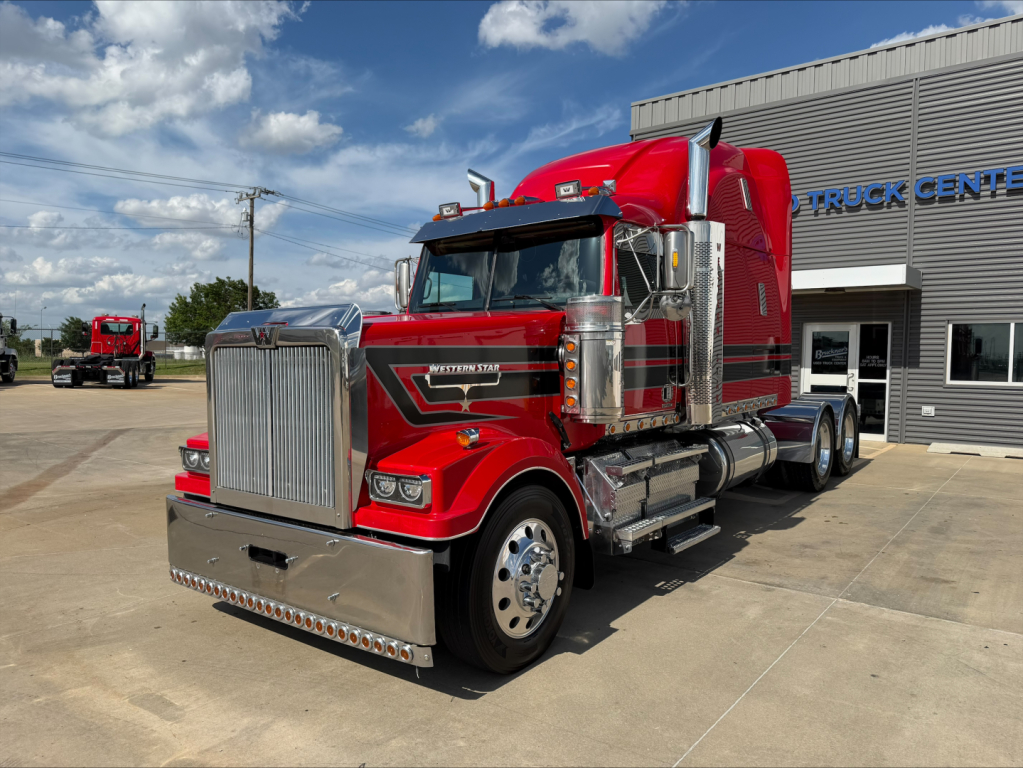
Have used western star conventional sleeper truck to sell? List it here to reach thousands of buyers.
About Used Western Star Conventional Sleeper Trucks in Oklahoma
The first buying decision is usually the spec under the hood and behind it. Many used Western Star sleeper trucks are equipped with Detroit, Cummins, or other heavy-duty diesel engines paired with manual, automated manual, or full automatic transmissions, depending on the original application. Buyers should look closely at horsepower and torque ratings, rear axle ratios, suspension type, wheelbase, and gross vehicle weight rating, because these tell you whether the truck was built for open highway efficiency, heavy haul support, or mixed vocational use. A sleeper truck that spent its life pulling tank, flatbed, hopper, or lowboy freight may have a very different drivetrain and frame spec than one built strictly for van or reefer service. Locking differentials, double frame sections, high-capacity cooling, and heavy front axles are all common details worth checking on used Western Star conventionals.
Sleeper configuration matters just as much as powertrain. Buyers comparing used conventional sleeper trucks should pay attention to bunk length, roof height, storage layout, HVAC performance, insulation, and overall cab condition. A larger mid-roof or raised-roof sleeper can improve driver comfort and trip flexibility, while a simpler flat-top or smaller sleeper may make more sense for regional lanes with occasional overnight runs. Interior wear can reveal how the truck was used, and exterior condition around the hood, cab mounts, frame rails, and fifth wheel area can tell you a lot about maintenance habits. In Oklahoma, it is also smart to evaluate cooling system health, tire condition, suspension wear, and signs of dust, corrosion, or rough-road use that can show up on trucks that spent time in energy or rural applications.
Western Star conventional sleepers also tend to attract buyers who value serviceable, straightforward truck specs over lightweight fleet-standard builds. That can be an advantage in the used market if you need a truck with a tougher frame, higher durability components, or a more owner-operator-oriented cab. Pay attention to maintenance records, engine brake operation, emissions system history, steer and drive tire wear patterns, and any evidence of frame modifications or PTO-related use. A well-matched used Western Star sleeper can serve long-haul freight, regional heavy-duty routes, flatbed work, tanker operations, and specialized hauling where comfort and durability both matter.
Frequently Asked Questions
What makes a Western Star conventional sleeper truck different from a standard highway sleeper?
A Western Star conventional sleeper truck is often built with heavier vocational influence than a typical fleet highway tractor. Many are spec'd with stronger frames, heavier axles, severe-duty suspension options, and component choices intended for mixed on-road and jobsite use. That makes them attractive to buyers who need a sleeper truck that can handle long highway miles but also stand up to oilfield, construction, agricultural, or specialized hauling demands.
What should I check first on a used Western Star 4900 sleeper?
Start with the powertrain and frame spec. Confirm engine make, horsepower, torque, transmission type, axle ratings, rear ratio, suspension, and wheelbase. Then inspect service history, emissions repairs, cooling system condition, engine brake performance, and signs of heavy-duty use around the frame rails, fifth wheel, and suspension. On a Western Star 4900, these details tell you very quickly whether the truck was built and maintained for the work you plan to do.
Are Western Star conventional sleeper trucks good for Oklahoma hauling?
Yes, especially for buyers running mixed-duty operations in Oklahoma. A used Western Star sleeper can fit interstate freight, regional hauling, agricultural work, oilfield support, and specialized trailer applications. The brand's heavier construction and common vocational specs make it a practical choice for operators who need a truck that can move from highway service to rougher yard, lease road, or jobsite conditions without giving up sleeper comfort.
What sleeper size is best on a used conventional sleeper truck?
The best sleeper size depends on route length and driver needs. Smaller sleepers are often fine for regional work with occasional layovers, while mid-roof and larger raised-roof sleepers offer more storage, better living space, and improved comfort for multi-day runs. Buyers should compare bunk length, cabinet layout, headroom, and climate control performance, because a sleeper that looks adequate on paper may feel very different in daily use.
Do used Western Star sleeper trucks hold value well?
They often hold value well among buyers looking for durable, heavy-spec trucks. Resale strength usually depends on engine choice, transmission type, emissions history, mileage, and how well the truck's original application matches current market demand. Clean, well-documented Western Star conventionals with desirable drivetrains and sleeper configurations are typically more attractive than trucks with unclear maintenance history or highly specialized specs.