
Used Wabash Cargo Van Trailers For Sale
Browse used Wabash cargo van trailers for sale. Compare 53-foot dry van specs, construction, door types, and fleet-ready hauling features.
Learn more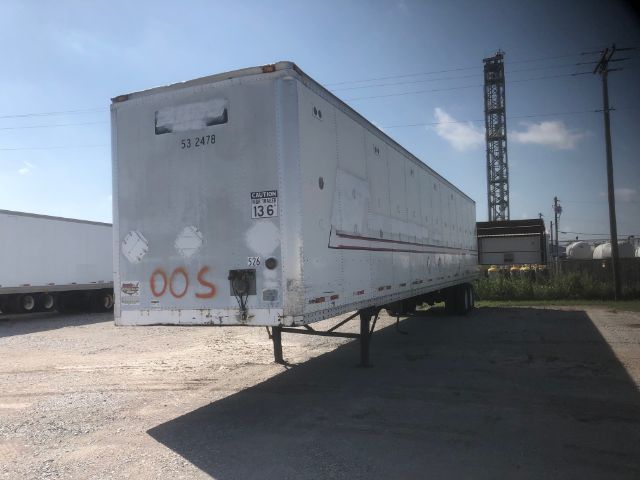
Have used wabash cargo van trailer to sell? List it here to reach thousands of buyers.
About Used Wabash Cargo Van Trailers
The first buying decision is usually construction and door configuration. Many Wabash dry vans were built with plate or composite sidewall designs, and that affects tare weight, repair approach, and long-term cosmetic condition. Rear swing doors remain the standard for dock work, but roll-up doors are common on city and foodservice applications where frequent stops matter more than maximum interior cube. Interior details deserve close attention on a used trailer, including scuff liners, logistics posts, duct floors or hardwood floors, roof bow condition, and signs of forklift damage at the rear threshold. On older units, check crossmember integrity, sidewall repairs, and corrosion around the rear frame and subframe.
Running gear and compliance specs matter just as much as box condition. Buyers should confirm axle rating, suspension type, wheel-end setup, tire condition, and brake spec, especially if the trailer will be folded into an existing fleet maintenance program. Air ride suspension is common on freight-sensitive applications, while spring ride may appear on older or more basic specs. Trailer weight, interior height, swing clearance, and dock compatibility all affect day-to-day productivity. If the trailer is intended for long-haul lanes, details like aerodynamic packages, tire inflation systems, LED lighting, and trailer tracking hardware can add value even on a used unit.
A used Wabash cargo van trailer makes the most sense for operations that need a proven dry van platform with straightforward serviceability and flexible freight capability. These trailers are also known simply as dry van trailers or enclosed van trailers. The best unit is not just the newest one. It is the trailer with the right floor rating, door style, repair history, and structural condition for the freight you actually move. For many buyers, that means balancing purchase price against expected floor life, body integrity, and the cost of bringing a used trailer up to fleet standard.
Frequently Asked Questions
What should I inspect first on a used Wabash cargo van trailer?
Start with the structural items that are expensive to correct. Inspect the floor for forklift damage, soft spots, patches, and fastener pull-through. Check the rear frame, threshold, hinges, roof, crossmembers, landing gear mounts, and suspension attachment points. Then review tires, brakes, wheel ends, lights, and door seals. Cosmetic wear is common on used dry vans, but structural damage and poor floor condition have a much bigger impact on total ownership cost.
Are Wabash dry van trailers typically 53 feet long?
Yes, the most common used Wabash cargo van trailer on the market is a 53-foot by 102-inch dry van. That is the standard size for general freight and dock-compatible over-the-road work. Older 48-foot trailers and occasional specialty specs can still appear, but 53-foot units dominate because they maximize cubic capacity and fit most fleet applications.
What is the difference between swing doors and roll-up doors on a cargo van trailer?
Swing doors are the standard choice for most dry van freight because they provide full rear opening width, lower door system complexity, and good sealing when maintained correctly. Roll-up doors are useful for frequent-stop operations because they save space behind the trailer and speed up access in tight urban loading areas. The tradeoff is that roll-up doors can reduce clear opening height and add repair cost if the track or panel system is damaged.
Do used Wabash cargo vans work well for general freight?
Yes. Wabash dry vans are widely used for palletized freight, packaged consumer goods, paper products, and many other non-temperature-controlled loads. Their broad acceptance in fleet service means parts, repair knowledge, and replacement components are generally easy to source. The key is matching the trailer's floor rating, interior condition, and running gear to the weight and loading pattern of the freight.
What features add value on a used cargo van trailer?
High-value features often include air ride suspension, LED lighting, logistics posts, good scuff protection, clean and dry roof structure, recent brake and tire work, and a solid floor with minimal patching. Aerodynamic side skirts, tire inflation systems, and tracking hardware can also improve operating efficiency if they are intact and serviceable. On the used market, documented maintenance and evidence of proper repairs can be just as important as optional equipment.