
Used Peterbilt Hot Shot Trucks For Sale in Texas
Browse used Peterbilt hot shot trucks in Texas. Compare cab, drivetrain, towing, and hauling specs for expedited and light commercial work.
Learn more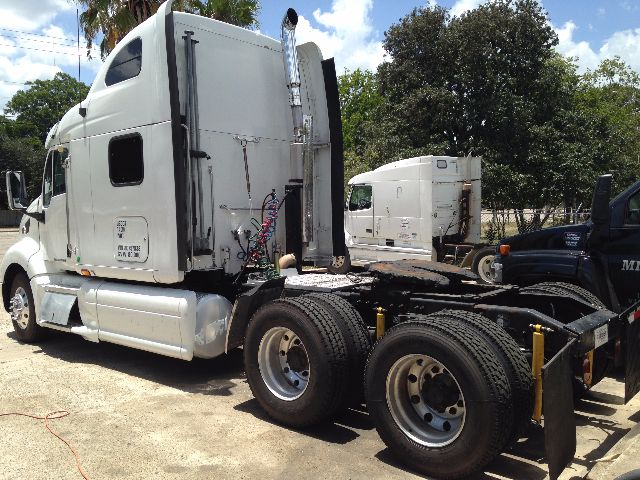
Have used peterbilt hot shot truck to sell? List it here to reach thousands of buyers.
About Used Peterbilt Hot Shot Trucks in Texas
Peterbilt hot shot trucks are commonly associated with medium-duty platforms adapted for gooseneck or fifth-wheel trailer work, although some units may be configured with hauler beds, flatbeds, service bodies, or custom towing equipment. Key specs to review include GVWR, GCWR, engine output, rear axle ratio, wheelbase, suspension type, and brake setup. On used trucks, transmission choice matters just as much as horsepower. A manual or automated transmission can change launch feel, highway RPM, and maintenance planning, especially if the truck spends long hours running loaded across Texas. Buyers should also confirm hitch capacity, frame condition, tire date codes, bed installation quality, and any evidence of past upfit work.
Cab layout and operating comfort matter more in this segment than many buyers expect. A hot shot truck may spend most of its life on regional runs with frequent hookups, fuel stops, and delivery appointments, so visibility, turning radius, seat condition, HVAC performance, and control layout all affect driver efficiency. Peterbilt trucks are often chosen for their fit and finish, recognizable styling, and straightforward service access. On a used unit, pay close attention to signs of heavy trailer use such as uneven rear suspension wear, brake wear patterns, hitch stress, wiring repairs, and bed-to-frame mounting integrity. If the truck has a rebuilt or repaired history, inspection of alignment, driveline angles, and axle placement becomes even more important.
For Texas buyers, the right used Peterbilt hot shot truck usually comes down to matching the truck to the trailer and the freight lane. A lighter setup may suit shorter expedited runs and lower operating cost, while a heavier-spec chassis can make more sense for frequent towing, rougher jobsite access, or higher combined weights. Registration class, CDL requirements, insurance cost, and DOT compliance should be reviewed before purchase, especially if the truck will cross state lines. A well-matched used Peterbilt hot shot truck can offer strong towing performance, professional presentation, and the versatility to handle both daily commercial hauling and specialized contract work.
Frequently Asked Questions
What should I check first on a used Peterbilt hot shot truck?
Start with the truck's weight ratings and towing setup. GVWR, GCWR, rear axle rating, hitch type, and frame condition tell you more about real-world capability than appearance alone. After that, inspect the engine, transmission, suspension, brakes, tires, and any upfit components such as a hauler bed or gooseneck hitch. On used trucks, service records, evidence of trailer-related wear, and signs of accident or frame repair are especially important.
Are Peterbilt hot shot trucks usually pickup-based or medium-duty trucks?
This category can include both, but Peterbilt is more commonly found in medium-duty configurations adapted for hot shot work. That usually means a commercial chassis with higher weight ratings, stronger frame construction, and equipment designed for more frequent towing. Buyers should verify the exact chassis class and how the truck is titled and registered because that affects payload, trailer compatibility, and compliance requirements.
Do I need a CDL for a Peterbilt hot shot truck in Texas?
It depends on the truck's GVWR, the trailer's GVWR, and the combined rating. In many hot shot applications, a CDL may be required when the combined rating exceeds federal thresholds, especially in interstate operation. Texas buyers should also review DOT number requirements, medical card rules, registration class, and insurance obligations. The key is to base the decision on rated capacity, not just what the truck typically hauls.
What bed and hitch setup is best for hot shot work?
The right setup depends on the freight. A hauler bed with a gooseneck ball is common for general hot shot and equipment hauling because it supports trailer stability and flexible hookup options. Some operators prefer flatbed or custom body configurations for cargo access or specialized tools. Look for proper bed-to-frame mounting, clean wiring, adequate clearance over the axle, and hitch ratings that match the trailer you plan to pull.
Why do buyers choose a used Peterbilt for hot shot applications?
Peterbilt is a recognized commercial truck brand, and that matters to many owner-operators who want a professional-looking truck with durable chassis components and a serviceable platform. In hot shot service, buyers often value road comfort, cab quality, and a truck that presents well to shippers and customers. A used Peterbilt can be a strong fit when the weight ratings, drivetrain, and towing equipment align with the actual work.