
Used Peterbilt Hot Shot Trucks For Sale
Browse used Peterbilt hot shot trucks with medium-duty capability, diesel power, towing capacity, and specs suited for expedited freight.
Learn more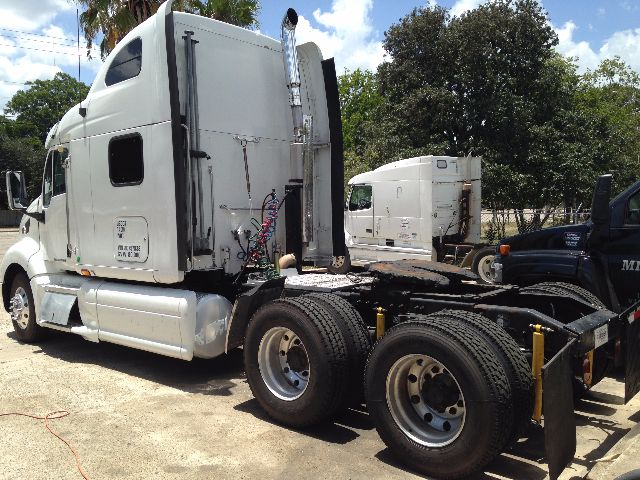
Have used peterbilt hot shot truck to sell? List it here to reach thousands of buyers.
About Used Peterbilt Hot Shot Trucks
A Peterbilt hot shot truck is often selected for work that demands higher payload stability and more braking authority than a one-ton pickup can offer. Common applications include gooseneck and fifth-wheel trailer hauling, equipment transport, construction support, oilfield-related deliveries, and time-sensitive LTL freight. Depending on the model and build, these trucks may be equipped with Cummins or PACCAR diesel engines, manual or automated transmissions, air brakes or hydraulic brakes, and rear axle ratios tailored for towing rather than top-speed cruising. Buyers should verify GVWR, GCWR, PTO compatibility if auxiliary equipment is involved, and whether the truck requires a CDL based on the intended operating weight.
In the used market, condition matters more than badge alone. Service history, frame condition, prior body or axle repair, tire wear, driveline vibration, and brake system health all deserve a close inspection. On hot shot applications, it is also smart to check hitch type, bed installation quality, wiring for trailer connections, and any signs of heavy overload use. Cab features like air ride seats, power windows, and visibility upgrades can improve day-to-day usability, but the real buying decision usually comes down to engine hours, maintenance records, suspension wear, and how well the truck was spec'd for the trailer it will pull.
Compared with lighter hot shot setups, a used Peterbilt can offer better longevity, more commercial-grade components, and a stronger image for operators working directly with shippers or brokers. The tradeoff is that operating costs, empty weight, and maneuverability should be evaluated carefully. The best fit depends on trailer size, freight lanes, licensing requirements, and how often the truck will run loaded versus deadhead. A properly matched Peterbilt hot shot truck can be a practical choice for buyers who need medium-duty strength, long-service life, and towing-focused capability in a used commercial truck.
Frequently Asked Questions
What makes a Peterbilt hot shot truck different from a pickup-based hot shot setup?
A Peterbilt hot shot truck typically uses a heavier commercial chassis, stronger frame, larger brakes, and medium-duty or heavy-duty drivetrain components. That usually translates to better stability under load, improved durability in constant towing service, and a longer service life than a pickup-based unit. The tradeoff is higher empty weight, potentially higher maintenance costs, and in some cases different licensing or registration requirements depending on the truck's GVWR and GCWR.
What specs matter most when buying a used Peterbilt hot shot truck?
The most important specs are GVWR, GCWR, rear axle ratio, wheelbase, engine rating, transmission type, brake system, and suspension setup. Buyers should also confirm the hitch configuration, trailer electrical connections, and whether the truck is set up for gooseneck, fifth-wheel, or hauler bed use. These details determine how well the truck will match the trailer, the freight, and the operating lanes you plan to run.
Do used Peterbilt hot shot trucks require a CDL?
Some do and some do not. CDL requirements depend on the combined gross vehicle weight rating, trailer rating, and how the truck is operated. If the combined rating crosses CDL thresholds, or if the truck is used in a regulated commercial application that triggers additional requirements, a CDL may be necessary. Buyers should confirm federal, state, and local rules before purchase, especially if the truck will be paired with a heavier gooseneck or equipment trailer.
What should I inspect on a used Peterbilt hot shot truck before buying?
Focus on service records, engine condition, transmission performance, brake wear, suspension bushings, steering play, tire condition, and any signs of frame damage or prior axle repair. It is also important to inspect trailer wiring, couplers or hitch hardware, bed mounting quality, and evidence of chronic overloading. A used hot shot truck may look clean cosmetically but still have expensive wear in the driveline or suspension if it spent years pulling at or above its rated capacity.
Are Peterbilt hot shot trucks good for expedited freight and equipment hauling?
Yes, they are often well suited for both if the truck is spec'd correctly. Peterbilt hot shot trucks can provide the towing control, chassis strength, and driver comfort needed for regional expedited runs, construction deliveries, and equipment transport. The main consideration is matching the truck's ratings and gearing to the trailer and load profile, because an overbuilt truck can add unnecessary operating cost while an under-spec'd truck can struggle with payload, braking, and long-term reliability.