
Used Mack Tank Trucks For Sale
Used Mack tank trucks for septic, vacuum, waste oil, and liquid service applications. Compare tank size, pump specs, GVWR, and chassis setup.
Learn more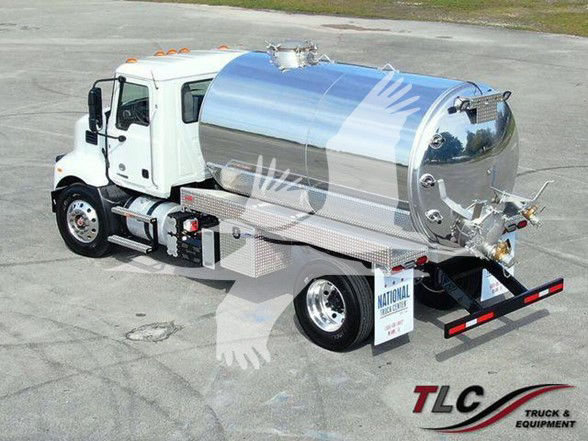
Have used mack tank truck to sell? List it here to reach thousands of buyers.
About Used Mack Tank Trucks
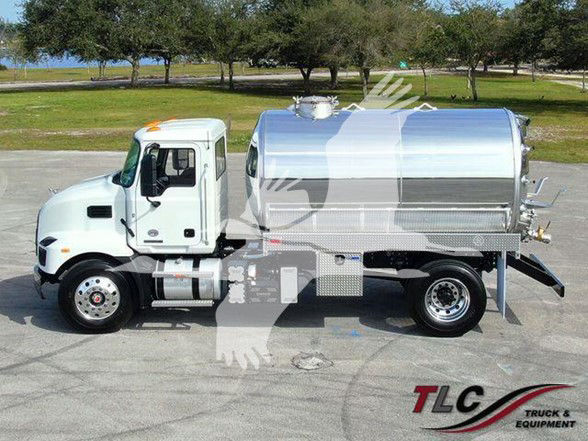
The most important buying decision is usually matching the tank system to the actual job cycle. Tank capacity, tank material, and pump output determine how productive the truck will be on route. Many units in this class carry aluminum tanks in the 2,000 to 3,000 gallon range, which helps keep curb weight down and preserve usable payload. On vacuum-equipped trucks, buyers should look closely at pump brand, CFM rating, PTO operation, hose storage, rear bumper design, and cleanout access. For septic and grease applications, tank compartment layout, shutoff protection, sight gauges, and washout features matter just as much as the base chassis.
On the chassis side, Mack medium-duty tank trucks are commonly spec'd with diesel power, automatic transmissions, 4x2 drivetrains, and spring suspension for straightforward municipal and commercial route work. A Class 7 configuration around 33,000-lb GVWR is common because it offers a strong balance of maneuverability, legal capacity, and body upfit flexibility. Buyers should confirm axle ratings, wheelbase, PTO compatibility, brake type, and turning radius, especially if the truck will spend most of its time in residential neighborhoods, alleys, plants, or tight service yards. Cab condition, electrical integrity, idle hours, and the state of the hydraulics or vacuum package can matter more on a used tank truck than cosmetic appearance.
A Mack tank truck is often chosen for dependable vocational service and straightforward maintenance support, but the real value in a used unit comes from the total package: chassis, tank builder, pump system, and service history. Check for corrosion around tank saddles and mounts, inspect plumbing and valves for leaks or patchwork repairs, and verify that the tank certification and safety equipment match the intended product and regulatory environment. If the truck will haul septic, non-hazardous liquid waste, used cooking oil, or waste oil, make sure the body configuration and pump package are suited to that exact material. A properly spec'd used Mack tank truck can be a productive route truck from day one, but only if the tank, vacuum system, and axle weights line up with the work.
Frequently Asked Questions
What should I check first on a used Mack tank truck?
Start with the tank system, not just the chassis. Verify tank capacity, tank material, pump type, pump CFM or flow rating, PTO operation, plumbing condition, valve function, and any signs of leaks or corrosion around mounts and fittings. On the truck side, confirm GVWR, axle ratings, wheelbase, transmission type, engine hours if available, and maintenance history. A clean cab is nice, but the condition of the vacuum or liquid handling equipment usually has a bigger effect on operating cost.
Are Mack tank trucks good for septic and vacuum service work?
Yes, Mack medium-duty chassis are commonly used for septic, grease trap, wastewater, and vacuum truck applications because they offer a stable platform, good maneuverability, and vocational durability. The actual suitability depends on the body and pump package. A truck set up with the right tank size, vacuum pump, hose handling, and rear access can work well in residential septic routes or commercial liquid waste service. The chassis matters, but the upfit determines how well the truck performs on the job.
What tank size is common on a used Mack tank truck?
A common range in medium-duty Mack tank trucks is roughly 2,000 to 3,000 gallons, especially on single-axle Class 7 chassis. That size works well for many septic, grease, and liquid service routes because it balances payload with maneuverability and axle compliance. The right capacity depends on the density of the material hauled, local road restrictions, stop frequency, and dump turnaround time. Bigger is not always better if the route includes tight access or strict weight limits.
Is an aluminum tank better than steel on a used tank truck?
Aluminum tanks are popular because they reduce empty weight and can improve legal payload on a given GVWR. They also resist rust differently than carbon steel, which can be an advantage in wet service environments. Steel tanks may still be preferred in some severe-duty applications depending on the product handled and the body design. The better choice depends on payload goals, corrosion exposure, repair considerations, and the specific waste stream or liquid being hauled.
Why does GVWR matter so much on a used tank truck?
GVWR determines how much truck, tank, fluid, and equipment weight the chassis can legally carry. On tank trucks, liquid weight adds up fast, so axle ratings and gross vehicle weight are critical. A truck with an attractive tank size can still be a poor fit if it becomes overweight before the tank is full. Buyers should compare the tank capacity, empty vehicle weight, front and rear axle ratings, and the weight of the actual material being hauled before making a decision.