
Used Kenworth Conventional Sleeper Trucks For Sale in California
Browse used Kenworth conventional sleeper trucks in California, including T680 and similar highway sleepers built for long-haul comfort and efficiency.
Learn more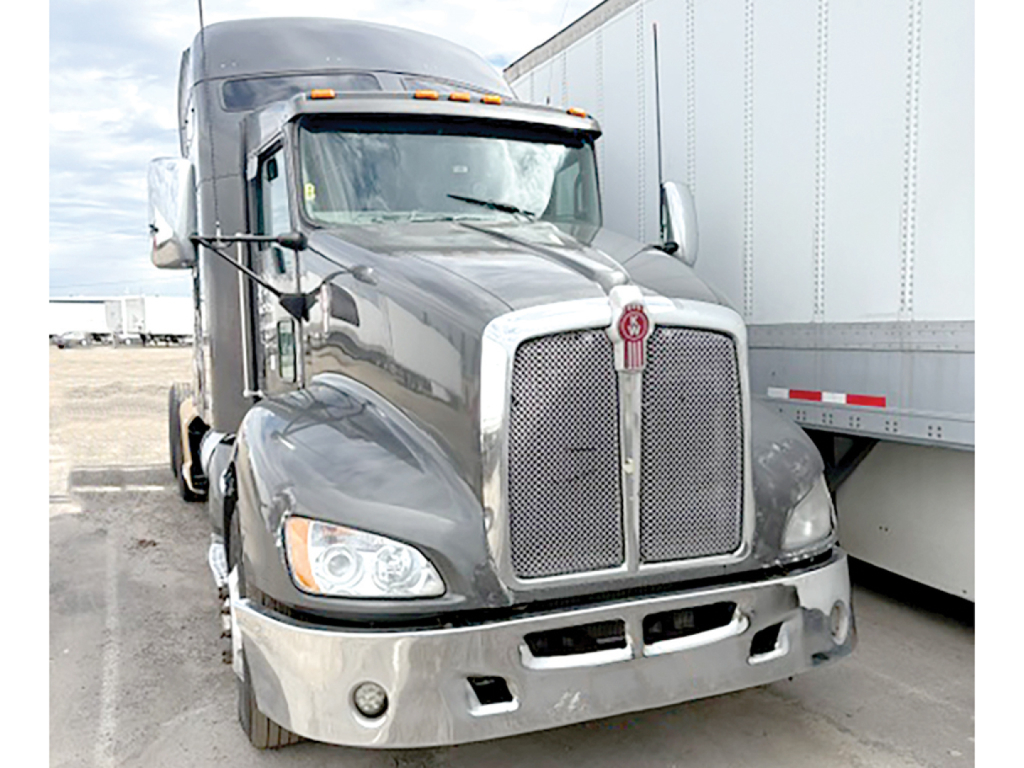

2020 Kenworth T-680
2020 Kenworth T-680
2020 Kenworth T-680
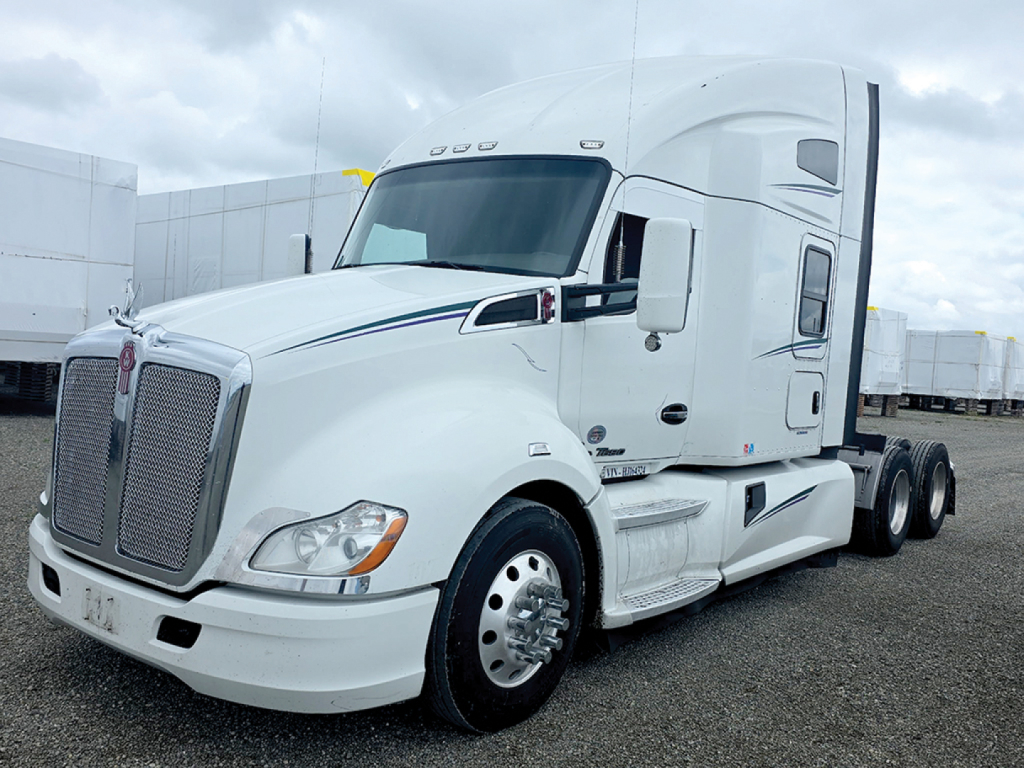
2017 Kenworth T-680
2021 Kenworth T-680
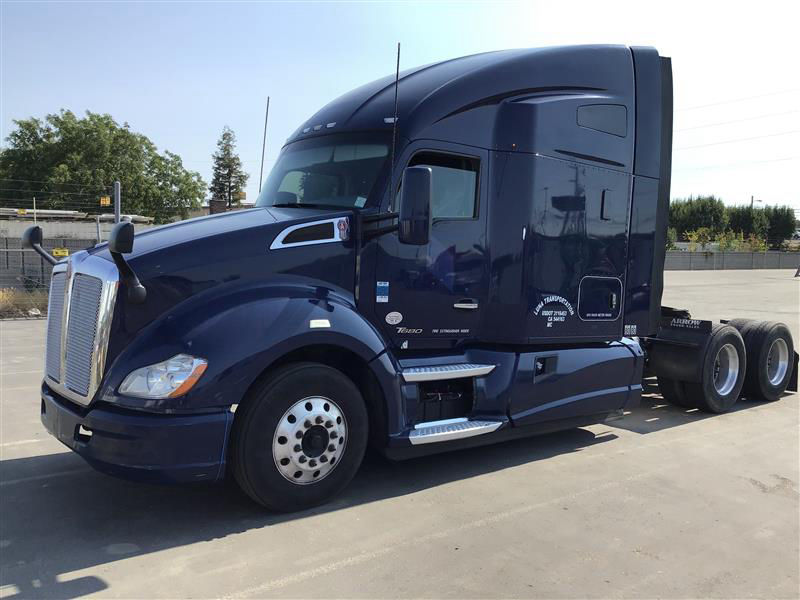
2021 Kenworth T-680
2021 Kenworth T-680
Have used kenworth conventional sleeper truck to sell? List it here to reach thousands of buyers.
About Used Kenworth Conventional Sleeper Trucks in California
Kenworth conventional sleepers, also known as highway sleeper tractors, are designed for over-the-road freight where drivers need onboard living space and a stable ride at highway speed. Common configurations include raised-roof sleepers, tandem drive axles, and 6x4 setups with automated or manual transmissions. Buyers will usually see PACCAR MX engines, and in some units Cummins power, paired with Eaton manual, UltraShift, Endurant, or other automated transmissions depending on model year. Typical spec points include wheelbase, sleeper length, rear axle ratio, fuel capacity, suspension type, and front axle rating. On used units, look closely at DPF and SCR service records, clutch or transmission calibration history, and signs of excess idle time, as those items affect operating cost quickly.
The Kenworth advantage in this category is usually a mix of driver appeal and resale strength. The T680 in particular is known for aerodynamic bodywork, quieter interiors, and a driver-focused dash layout that works well for long mileage operations. Sleeper layout matters if the truck will stay on multiday lanes, and buyers should compare bunk width, cabinet storage, inverter setup, HVAC performance, and mattress platform condition. From an operations standpoint, suspension condition, frame integrity, fifth wheel wear, tire pattern across all positions, and brake life tell you more about how the truck was run than paint or upholstery. If the truck is intended for California freight corridors, cooling system condition and consistent aftertreatment performance are especially important in stop-and-go port, valley, and mountain service.
A good used Kenworth sleeper should fit the freight before it fits the budget. Heavier lanes may call for a shorter rear ratio and higher horsepower, while dry van and reefer highway work often favor fuel economy specs with aero packages and automated shifting. Buyers comparing multiple used Kenworth conventional sleepers should focus on maintenance documentation, ECM miles and hours, current tire and brake remaining life, and any recent engine, turbo, or emissions repairs. That approach gives a clearer picture of total cost than model year alone.
Frequently Asked Questions
What should I check first on a used Kenworth conventional sleeper truck in California?
Start with emissions compliance and aftertreatment health. In California, a used highway sleeper needs to meet current regulatory and operational requirements, so buyers should verify engine year, engine family, DPF and SCR condition, and any recent emissions-related repairs. After that, review ECM miles and engine hours, maintenance records, and transmission and clutch history. Those items usually tell you more than appearance or advertised mileage alone.
What engines and transmissions are common in used Kenworth sleeper tractors?
Many used Kenworth conventional sleepers are equipped with PACCAR MX engines, especially in newer aerodynamic models such as the T680. Some units are spec'd with Cummins engines depending on year and original buyer preference. Transmission options often include Eaton manual gearboxes, UltraShift automated manuals, and newer automated platforms. The best choice depends on route profile, driver preference, maintenance familiarity, and whether fuel economy or heavier pulling performance is the priority.
Why is the Kenworth T680 so common in the used sleeper market?
The T680 became a high-volume fleet and owner-operator truck because it combines aerodynamic efficiency, a comfortable sleeper environment, and broad parts and service support. It is widely used in dry van, reefer, and general long-haul applications. That makes it easier to compare specs across similar trucks and easier to find service history patterns. Buyers often like it because it offers a modern interior and strong highway manners without moving into a harder-to-source niche platform.
What sleeper and chassis specs matter most on a used conventional sleeper?
The most important specs usually include sleeper size, wheelbase, rear axle ratio, fuel capacity, suspension type, and axle ratings. Those details affect maneuverability, bridge law flexibility, ride quality, and operating range between fuel stops. Buyers should also check fifth wheel placement, frame length, and whether the truck was spec'd for van, reefer, flatbed, or heavier vocational crossover work. A truck with the right chassis spec for the freight will generally perform better and cost less to run than a mismatched bargain unit.
How can I tell if a used Kenworth sleeper was maintained well?
Maintenance quality shows up in records and in wear patterns. Look for documented PM intervals, coolant and overhead service history, brake and tire replacement records, and invoices for emissions system cleaning or replacement. On the truck itself, check for even tire wear, minimal fifth wheel slop, clean wiring repairs, solid suspension components, and no obvious fluid leaks around the engine, transmission, and hubs. A pre-purchase inspection with ECM download is one of the best ways to confirm how the truck was actually operated.