
Used General Trailers For Sale
Browse used General trailers, including steel storage containers in 20-foot and 40-foot sizes with common specs, applications, and buying tips.
Learn moreBrowse General Trailers by Category
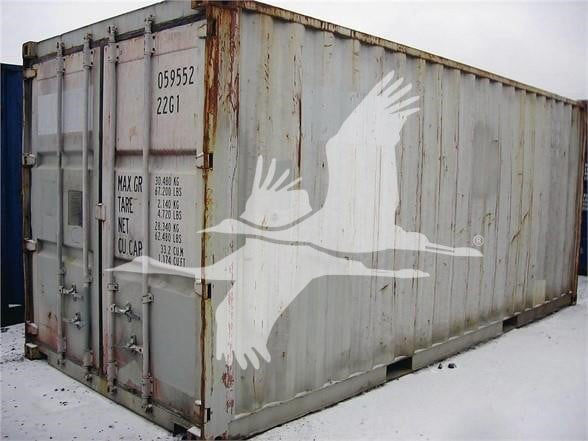
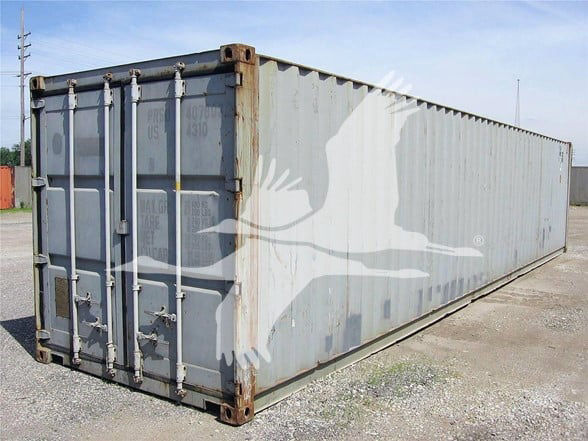
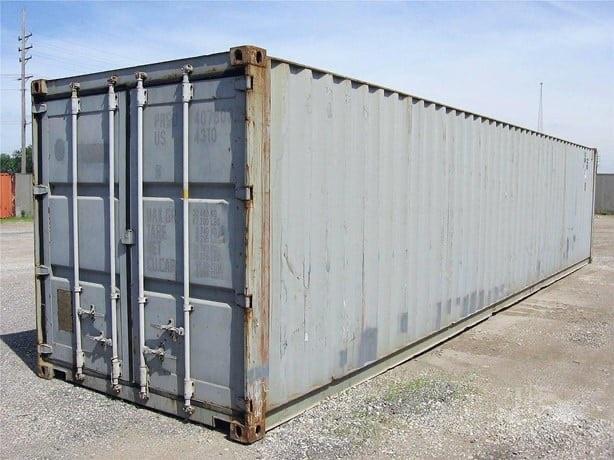
Have used general trailer to sell? List it here to reach thousands of buyers.
About Used General Trailers
On most used General container trailers and storage container units, common construction points include corrugated steel walls, steel frame members, standard 8-foot width, wood flooring, and cargo doors with locking bars. Interior height matters if you are storing stacked materials, equipment, or oversized pallets, and floor wear is worth close inspection because heavy point loads can expose soft spots, delamination, or fastener issues. Buyers should also inspect the roof panels, corner castings, crossmembers, door seals, and any visible rust at the lower rails and threshold, since those areas tend to show the hardest use.
Application matters as much as condition. Many used General containers are bought for stationary storage, construction sites, farm use, municipal yards, retail overflow, and equipment protection rather than over-the-road intermodal service. If the unit will be lifted, moved, or loaded repeatedly, straight corner structure and sound underbody condition become more important than cosmetic appearance. If the container is mainly for fixed-location storage, water tightness, door security, and floor life usually drive the purchase decision. Ventilation, prior repairs, and signs of patching should also be considered if the container will hold moisture-sensitive products.
When comparing used General trailers in this category, it helps to separate cosmetic wear from structural wear. Surface rust, dents, and faded paint are common on used steel containers, but twisted frames, hard-closing doors, floor damage, or evidence of leaks can affect service life and usability. The best fit depends on how often the unit will be relocated, what kind of cargo or materials it will hold, and whether access, security, or cubic capacity is the top priority.
Frequently Asked Questions
What should I inspect first on a used General container trailer or storage container?
Start with the doors, floor, roof, and lower frame. Doors should open and close without excessive force, locking bars should engage properly, and seals should be intact. The floor should be checked for rot, soft spots, heavy gouging, or delamination, especially near the door opening where forklifts create the most wear. Roof dents, patched panels, rust at crossmembers, and bent corner castings can indicate harder use or water intrusion.
Is a 20-foot or 40-foot General container better for most buyers?
A 20-foot container is usually the better choice when space is limited, placement flexibility matters, or the stored material is dense and heavy. A 40-foot container makes more sense when cubic capacity is the priority and the site can handle the extra length. For lighter inventory, seasonal overflow, and larger equipment storage, the 40-foot size often delivers better storage volume per unit.
Are used General containers suitable for shipping or mainly for storage?
Many used units are purchased primarily for storage, but suitability for shipping depends on their structural condition and compliance status. A container that is acceptable for static yard use may not be appropriate for intermodal or marine service if it has structural damage, compromised corner castings, or certification issues. Buyers planning to move containers regularly should verify condition beyond basic weather resistance.
What construction features are common on used General containers?
Common features include steel construction, corrugated sidewalls, wood floors, standard 8-foot width, and double rear cargo doors with lock rods. These are straightforward, proven designs built for durability and stack strength. In the used market, the exact value often comes down less to the base design and more to the remaining floor life, door alignment, weather tightness, and condition of the frame and understructure.
How much cosmetic damage is acceptable on a used General container?
Cosmetic dents, scratched paint, and light surface rust are normal on used steel containers and usually do not prevent productive service. The concern is when visible damage points to structural distortion, poor door fitment, roof leaks, or corrosion in load-bearing areas. A container can look rough and still perform well for storage, but it should remain square, weather resistant, and secure.