
Used Fire Trucks For Sale
Used fire trucks for sale, including pumpers, brush trucks, tankers, and rescue units with key specs on pumps, tanks, chassis, and service use.
Learn more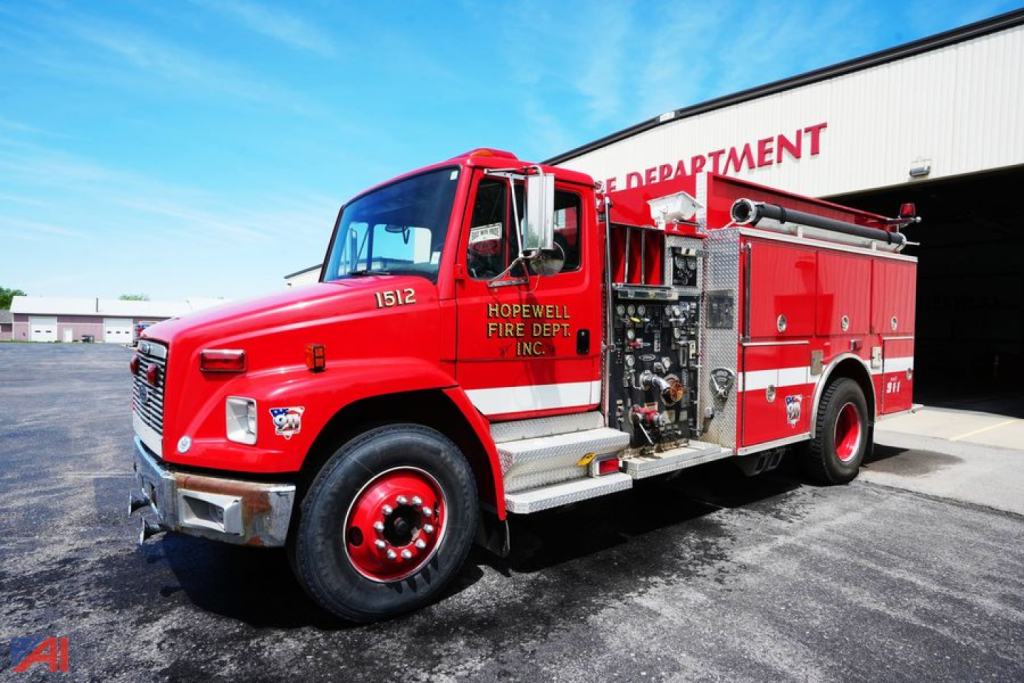
Have used fire truck to sell? List it here to reach thousands of buyers.
About Used Fire Trucks
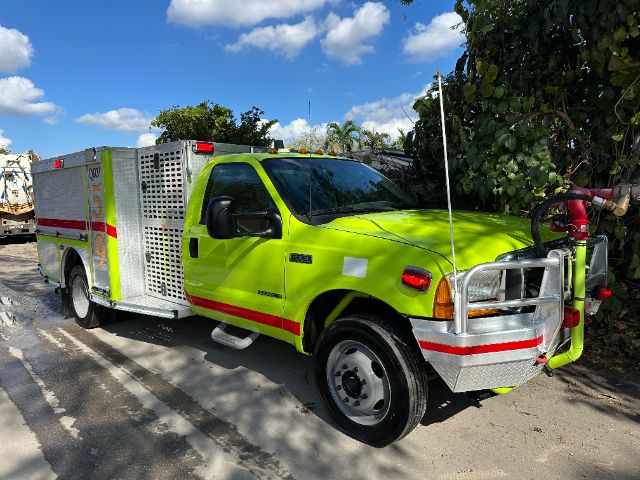
Chassis and drivetrain matter more in fire apparatus than in many other truck categories because duty cycles are unique. Many used fire trucks are ex-municipal units with relatively low road miles but high engine hours, PTO time, and pump hours. A diesel chassis such as a Ford Super Duty, Freightliner, International, Spartan, or custom fire chassis may offer long service life if maintenance records are strong. For brush and wildland use, 4x4 drivetrains, shorter wheelbases, higher ground clearance, and lighter overall GVWR can be more important than raw tank size. On structural fire apparatus, buyers often focus on axle ratings, cab configuration, seating capacity, generator or scene light equipment, and whether the truck has current emissions systems that fit their maintenance capabilities.
The pump package is one of the most important value points on a used fire truck. Common setups include PTO-driven and midship pumps from brands such as Waterous, Hale, and Darley, with capacities often ranging from smaller quick-attack outputs up to municipal-rated systems. Tank sizes vary widely, from a few hundred gallons on brush trucks and mini pumpers to several thousand gallons on tenders and tankers. Foam systems, booster reels, deck guns, suction storage, and discharge layout should all be inspected for operational condition and parts support. Corrosion in plumbing, freeze damage, tank condition, outdated valves, and non-functioning electronics can turn an affordable apparatus into a costly rebuild.
A good used fire truck can be a practical fit for volunteer departments, industrial sites, airports, rural fire districts, forestry operations, and private emergency response fleets. Buyers should verify current pump test status, service history, NFPA-related equipment changes, title status, and whether warning lights, sirens, radios, and loose equipment are included or removed. Ex-municipal apparatus are often well maintained, but replacement cycles are driven by department policy as much as mechanical condition. The best comparison is not just year and price, but how the truck's pump, tank, drivetrain, body construction, and prior service match the terrain, water supply, and response profile it will face next.
Frequently Asked Questions
What should I check first when buying a used fire truck?
Start with the truck’s intended role and confirm that the apparatus matches it. Pump capacity, water tank size, chassis type, drivetrain, compartment layout, and seating are more important than cosmetic condition. After that, review maintenance records, engine hours, pump hours, current operating condition, and any recent pump test documentation. Fire trucks often accumulate wear through idle time, PTO operation, and emergency use, so miles alone do not tell the full story.
Are miles or engine hours more important on a used fire truck?
Both matter, but engine hours and pump hours are often more revealing than odometer mileage. Many fire trucks spend long periods idling at scenes or operating pumps through PTO systems, which creates wear without adding many road miles. A low-mile truck with very high engine or pump hours may need closer inspection than a higher-mile unit with strong maintenance history. The best approach is to compare mileage, engine hours, pump hours, and service records together.
What is the difference between a pumper and a brush truck?
A pumper is typically a structural fire apparatus built to deliver higher water flow, support hose operations, and work in municipal or commercial fire response. A brush truck, also called a wildland truck or mini pumper in some configurations, is usually smaller, lighter, and often 4x4 for off-road or rural access. Brush trucks commonly carry smaller water tanks and lower-capacity pumps but are better suited to trails, fields, timber, and narrow access roads.
Do used fire trucks usually come with all emergency equipment installed?
Not always. The truck may retain mounted components such as pumps, tanks, hard plumbing, warning light housings, and body equipment, but radios, portable tools, hose, medical gear, and some emergency lighting or siren components may be removed before resale. Policies vary by agency and jurisdiction. Buyers should confirm exactly what is included, what has been disabled or removed, and what will need to be updated for legal or operational use.
Why are ex-municipal fire trucks popular in the used market?
Ex-municipal fire trucks are popular because many departments follow scheduled replacement programs and maintain apparatus to formal service standards. That can mean consistent inspections, documented repairs, and regular pump service. At the same time, municipal replacement decisions are not always based on mechanical wear alone. A well-maintained older apparatus can still have strong service life left, especially for volunteer, industrial, agricultural, or backup response applications.