
Used Capacity Yard Trucks For Sale
Browse used Capacity yard trucks built for trailer spotting, dock work, and terminal moves, including TJ5000 and Sabre DOT models.
Learn more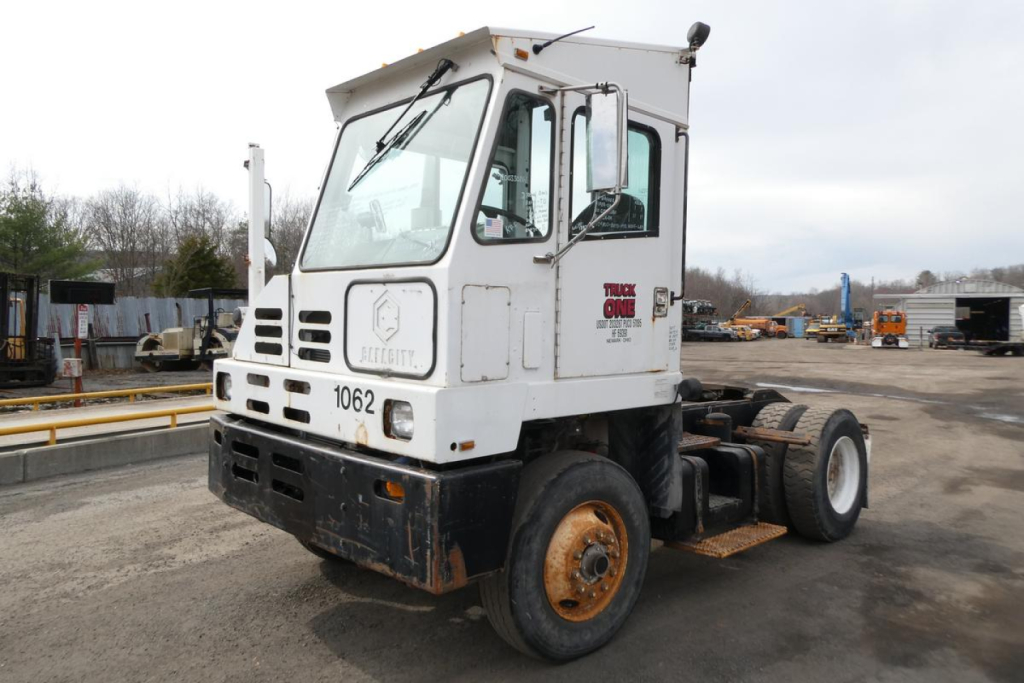
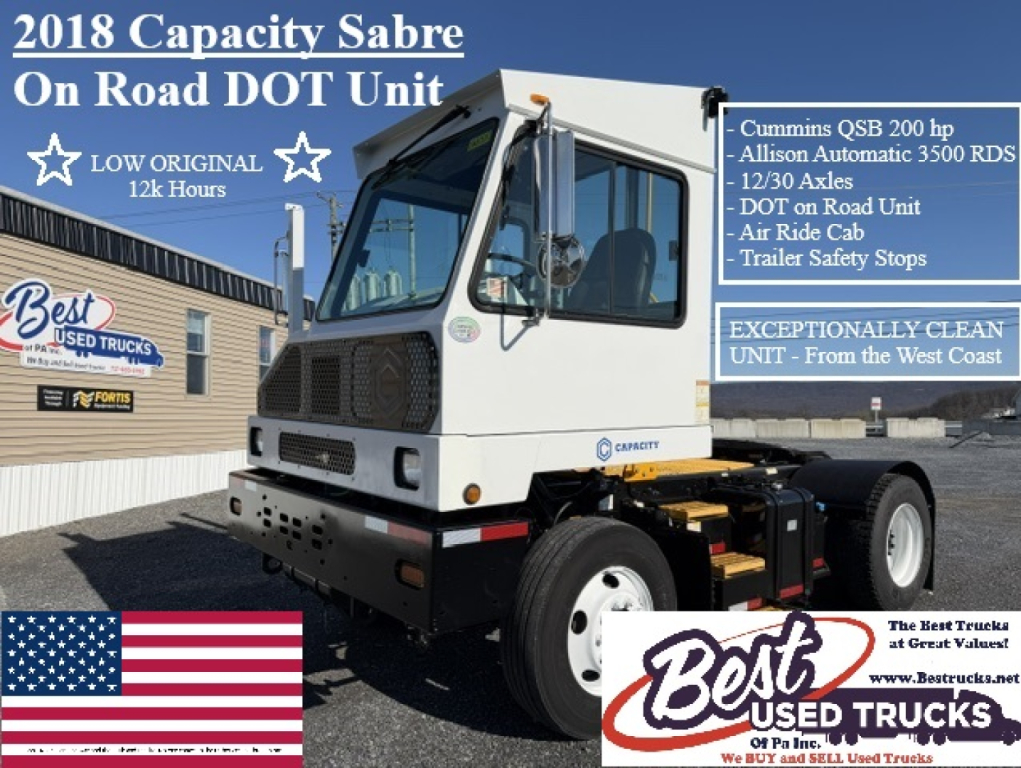
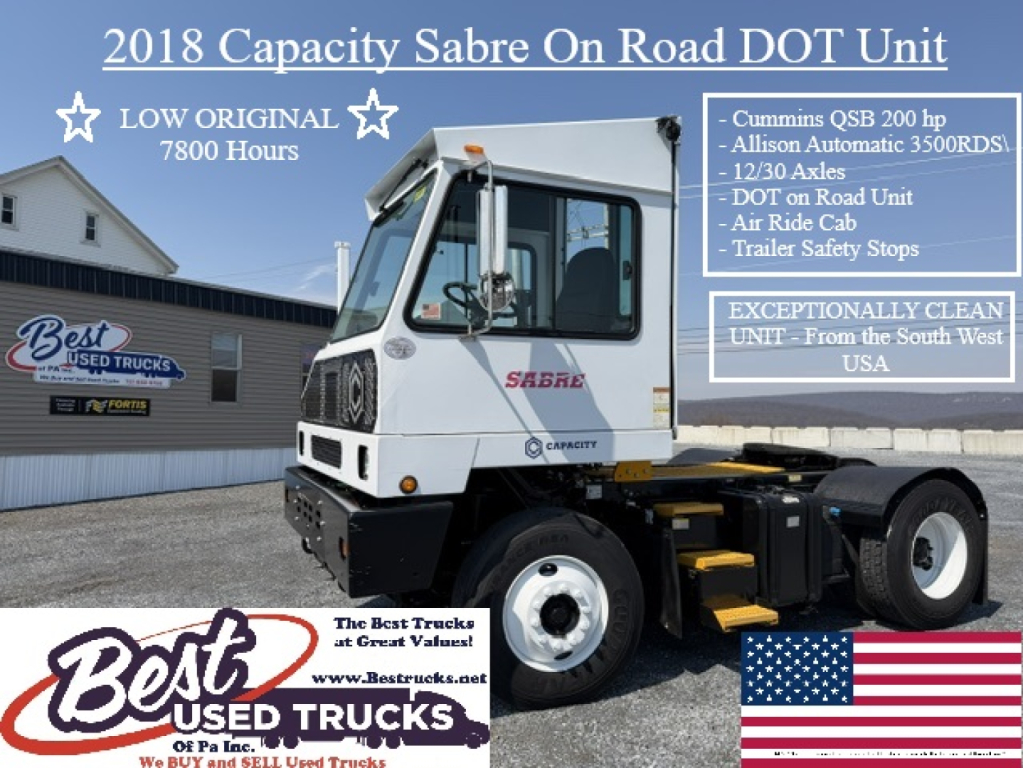
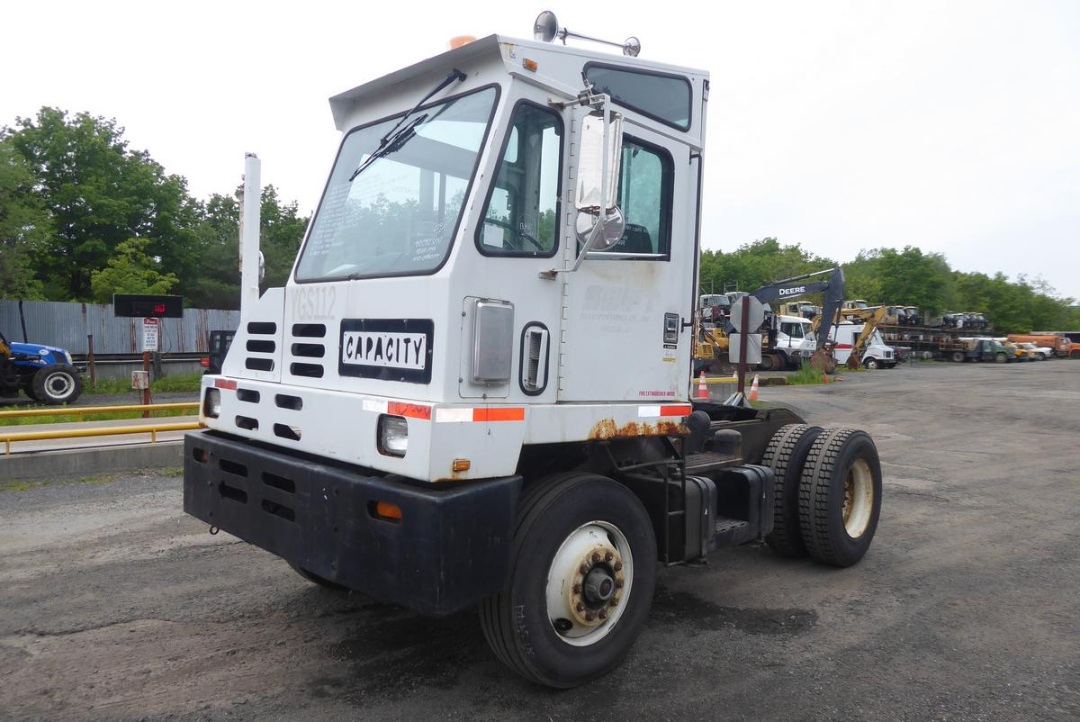
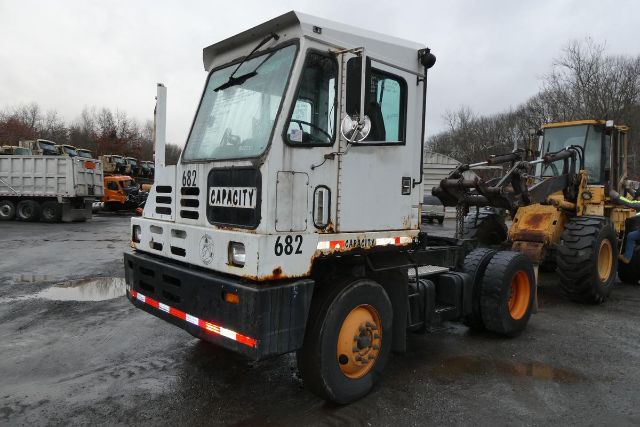
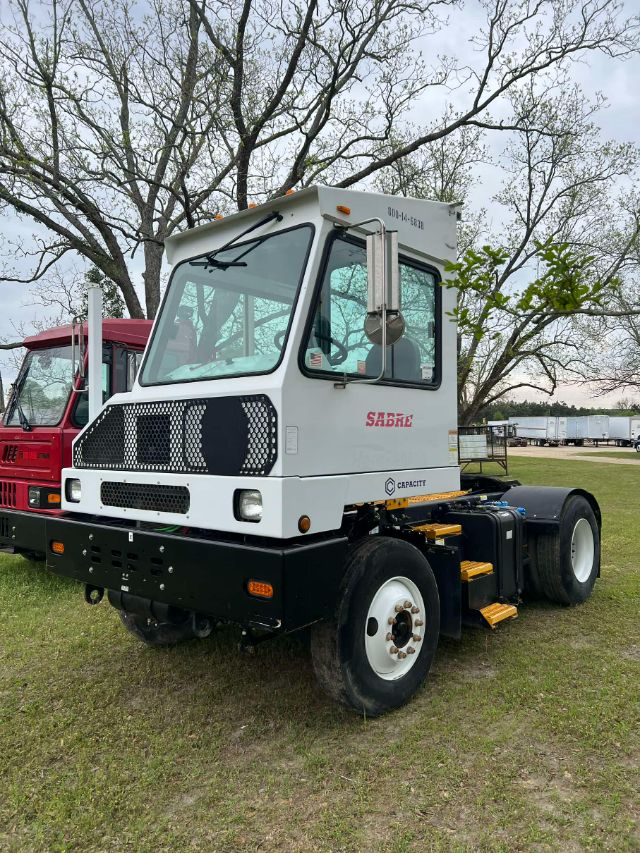
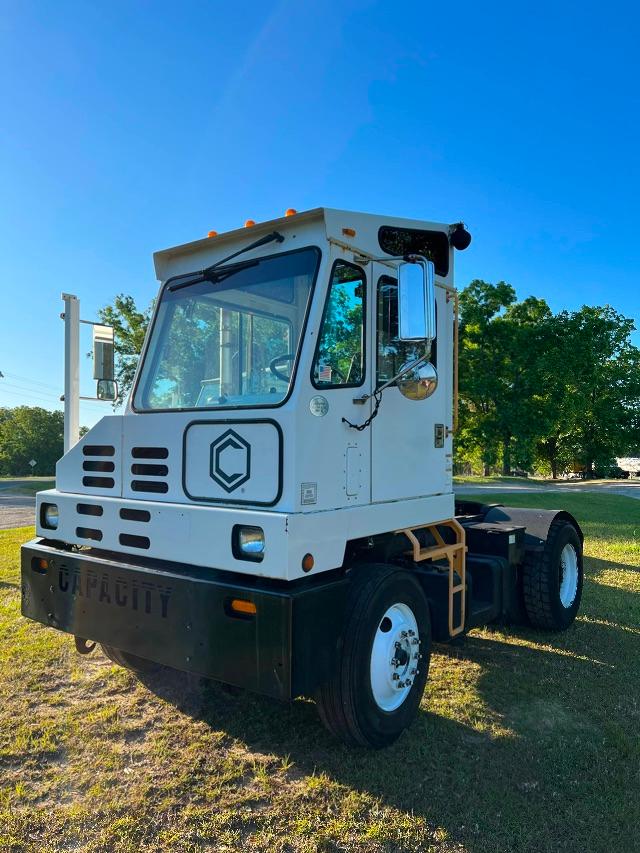
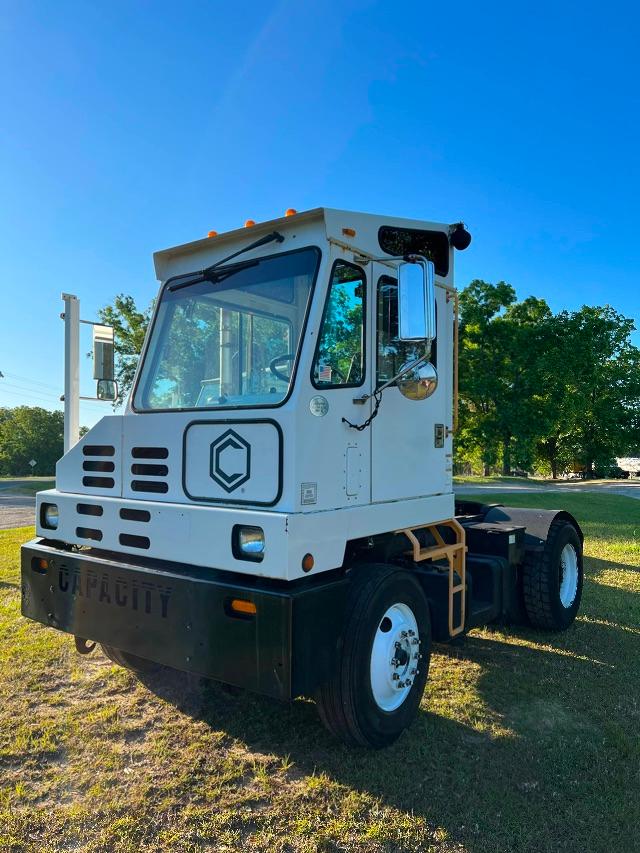
Have used capacity yard truck to sell? List it here to reach thousands of buyers.
About Used Capacity Yard Trucks
A buyer comparing used Capacity yard trucks should start with the operating environment. For private yards and distribution centers, a standard off-road or yard-only setup may be enough. For facilities that move trailers on public roads between nearby buildings, rail ramps, or satellite lots, a DOT-legal configuration matters. Common specs in this class include a Cummins 6.7L diesel, Allison automatic transmission, single axle 4x2 layout, and a hydraulic sliding or lifting fifth wheel, often with a 70,000 lb rating. Front axle ratings around 12,000 lbs, rear ratings around 30,000 lbs, short wheelbases, and deep rear axle ratios are typical because these trucks are built for low-speed control and constant maneuvering rather than highway miles.
Condition on a used yard truck is less about cosmetic appearance and more about hours, hydraulic function, and yard-specific wear points. Check the fifth wheel lift and lock operation, trailer safety stop condition, cab mounts, steps, suspension, transmission engagement, and cooling system performance during long idle periods. Engine hours often tell the story better than mileage in this category. A well-maintained unit with moderate hours can be a better fit than a newer truck that has seen harsh stop-start use in a congested yard. Buyers should also look closely at tire wear, brake condition, air system leaks, electrical issues around lights and backup alarms, and signs of repeated impact damage at the rear frame and fenders.
Capacity yard trucks are popular because they are simple, durable, and well suited to repetitive trailer handling. Features such as air-ride cabs, heat and air conditioning, all-steel wheels, and straightforward service access can make a real difference in operator comfort and uptime. If the job includes long shifts, multiple drivers, or frequent on-road repositioning, pay close attention to cab condition, visibility, legal lighting, and drivetrain service history. The right used Capacity yard truck should match the trailer weights, pavement conditions, shift length, and compliance needs of the operation, not just the purchase price.
Frequently Asked Questions
What is a Capacity yard truck used for?
A Capacity yard truck is used primarily for moving semi-trailers within a terminal, warehouse yard, port, plant, or distribution center. Its main job is trailer spotting, dock positioning, and quick hook-and-drop cycles. Compared with a road tractor, a yard truck is built for low-speed maneuverability, frequent stops, easy cab entry and exit, and hydraulic fifth wheel lifting to save time during trailer transfers.
What is the difference between a DOT-legal yard truck and a yard-only terminal tractor?
A DOT-legal yard truck is equipped to operate on public roads where local and federal requirements apply, typically for short transfers between nearby facilities or lots. A yard-only terminal tractor is intended to stay on private property and may not have the lighting, equipment, registration status, or road-speed capability needed for legal highway use. Buyers should confirm the actual road-use specification rather than assuming every Capacity Sabre or TJ5000 is street legal.
What should I check first on a used Capacity TJ5000 or Sabre?
Start with engine hours, service records, and the condition of the hydraulic fifth wheel system. Then inspect transmission engagement, rear frame condition, trailer safety stops, brakes, tires, air system leaks, cooling performance, and cab entry components such as steps and doors. On yard trucks, repeated impacts, constant shifting, and long idle periods create a different wear pattern than over-the-road tractors, so function matters more than appearance.
Are single axle Capacity yard trucks enough for most trailer spotting work?
For most warehouse and distribution yard applications, a single axle Capacity yard truck is the standard and is usually sufficient. A 4x2 setup with the right rear axle ratio provides the tight turning and traction needed for paved yard operations and loaded trailer moves at low speed. The key is matching the unit to the trailer weights, grade changes, and surface conditions in the yard rather than assuming a heavier configuration is always better.
Why do buyers focus on hours instead of miles on used yard trucks?
Hours are critical because yard trucks spend much of their life idling, creeping, backing, and making repeated short moves instead of accumulating highway mileage. That operating pattern affects the engine, transmission, cooling system, hydraulics, brakes, and cab components differently than linehaul service. A used Capacity yard truck with reasonable hours and strong maintenance history is often a more accurate indicator of remaining service life than odometer reading alone.