
New Yard Trucks For Sale
New yard trucks for trailer spotting, terminal moves, and distribution yard work. Compare cab layout, lift capacity, axle setup, and specs.
Learn moreNo exact matches found for your search
Showing Yard Trucks instead.
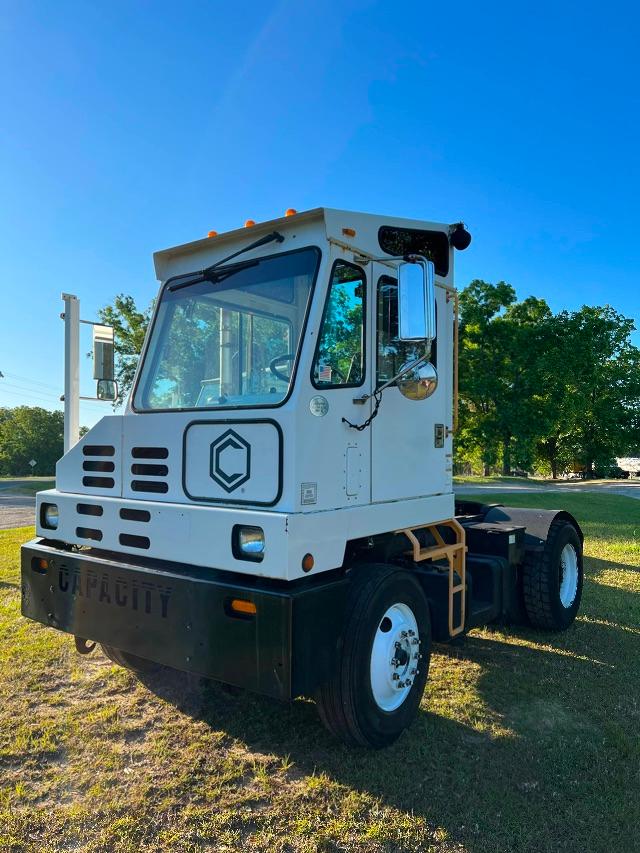
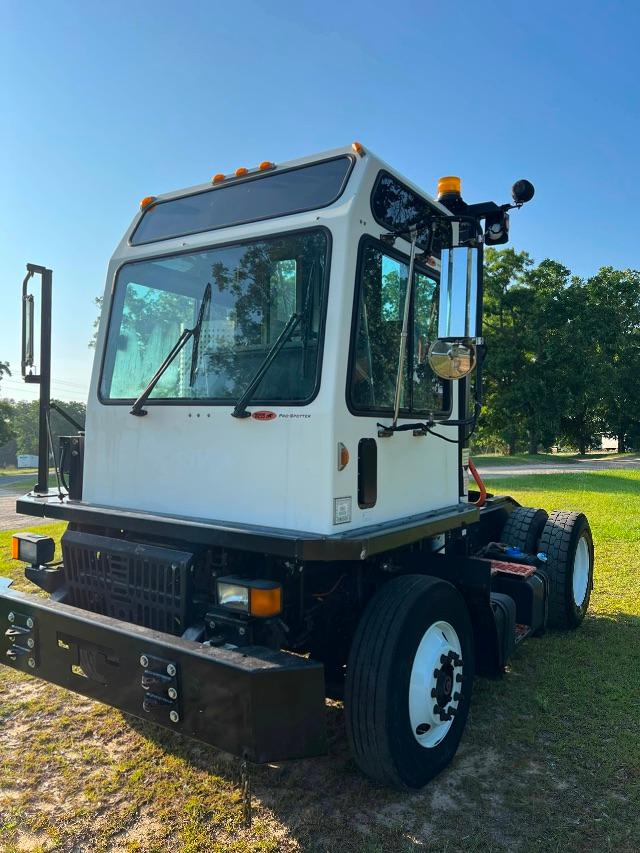
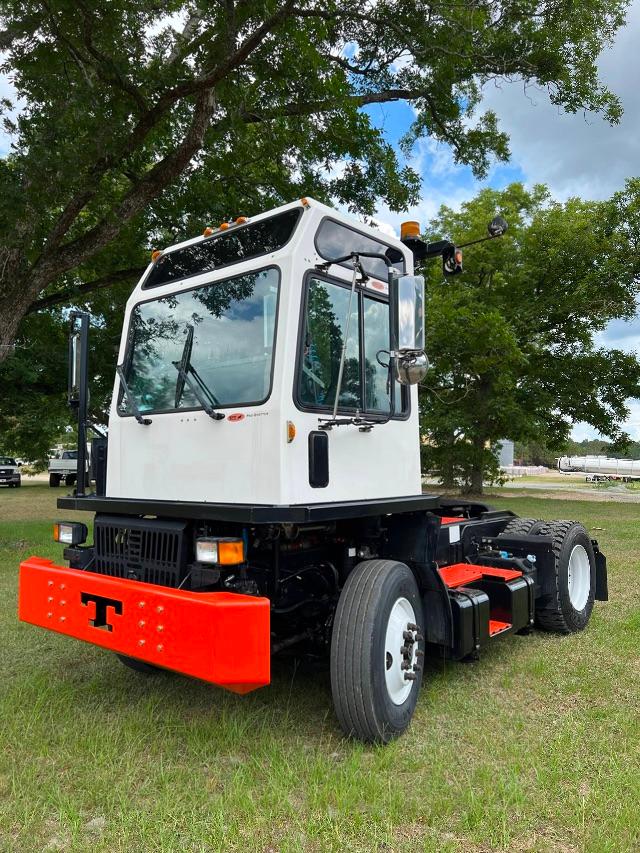
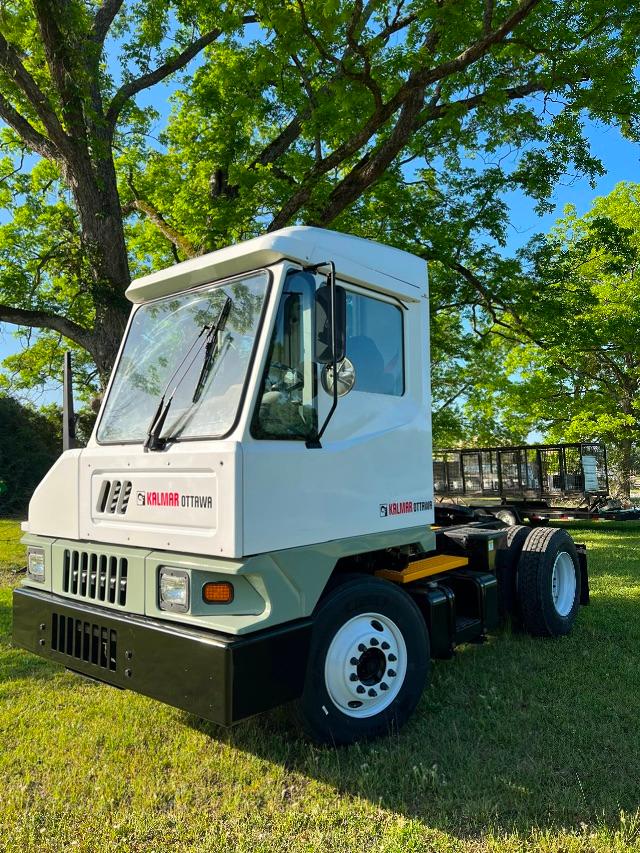
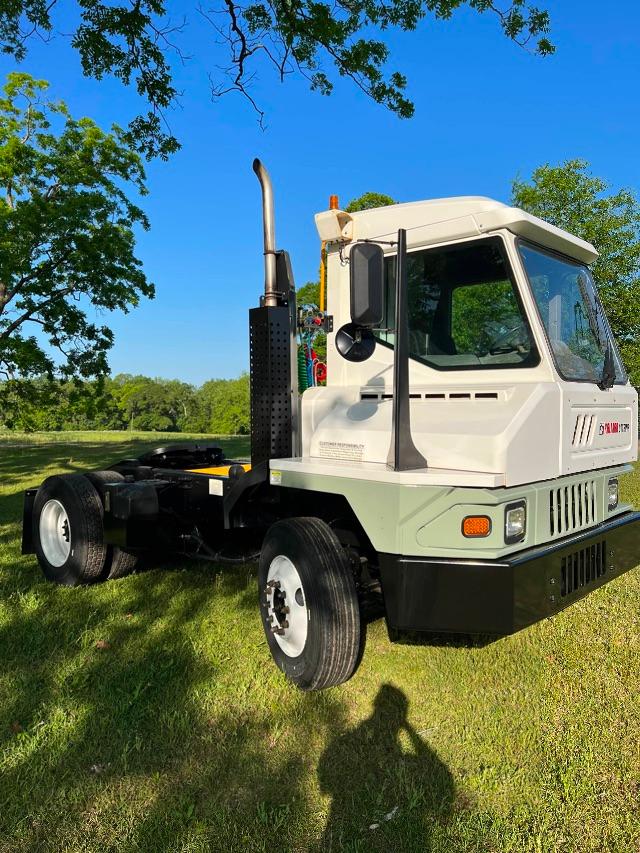
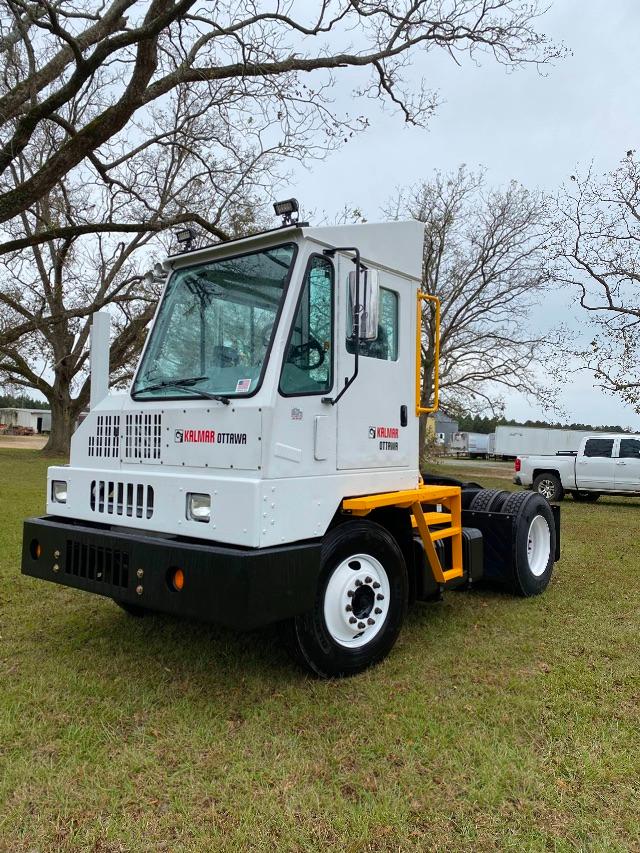
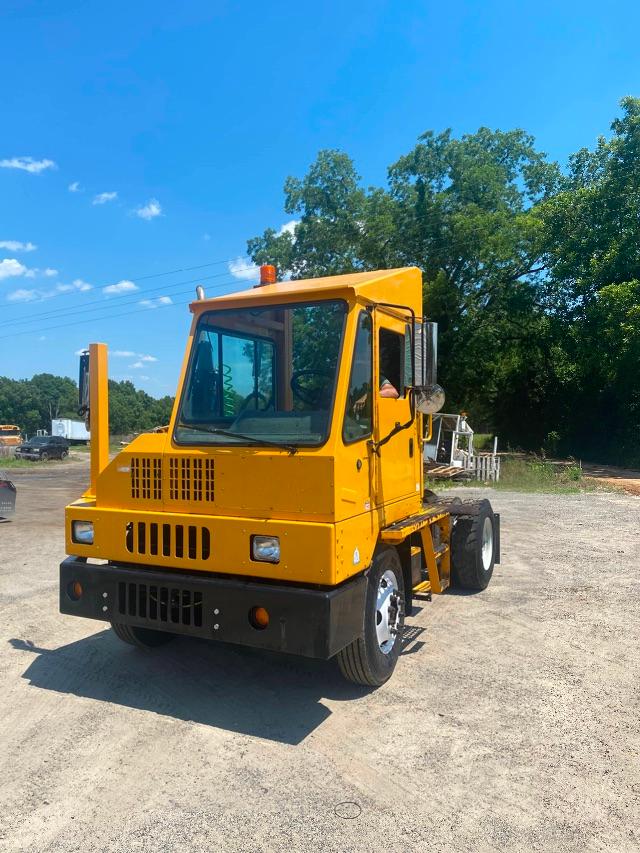
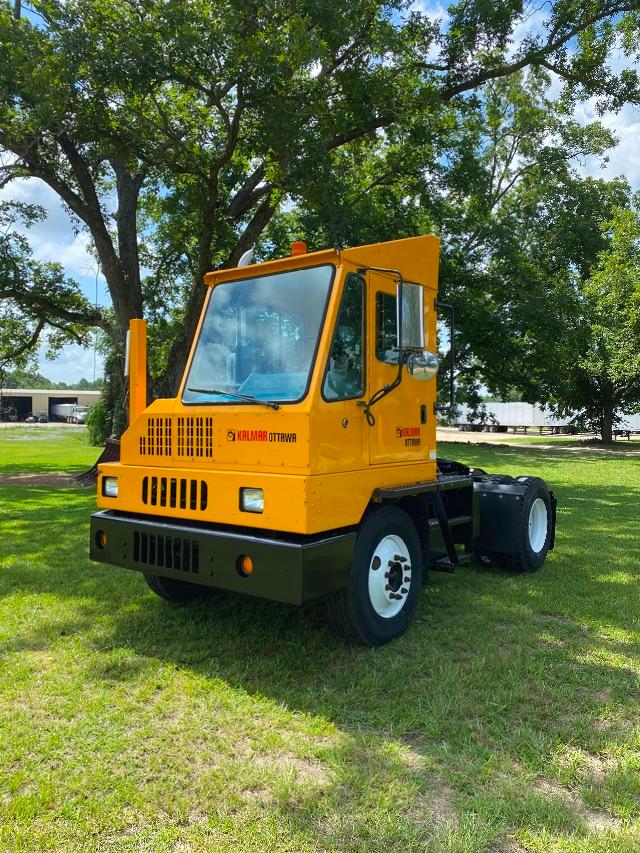
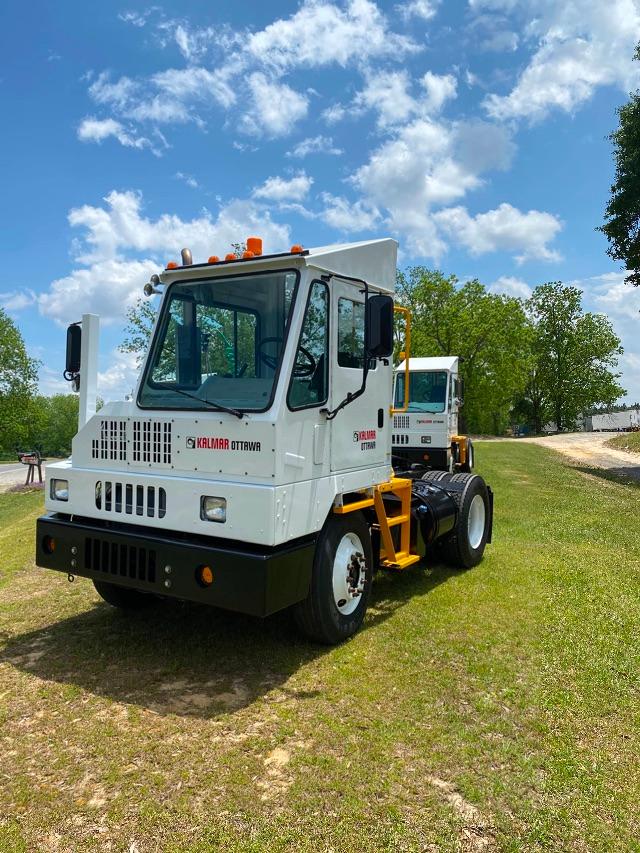
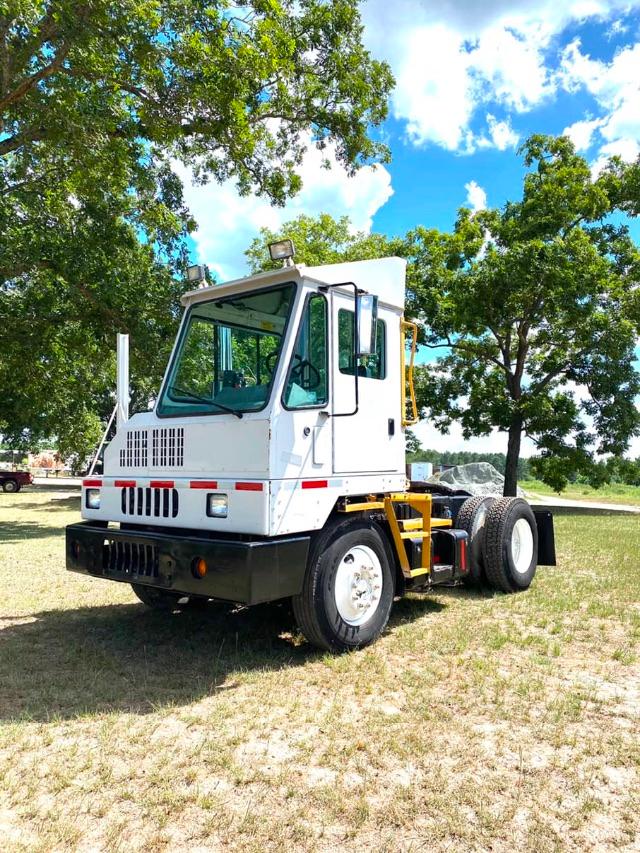
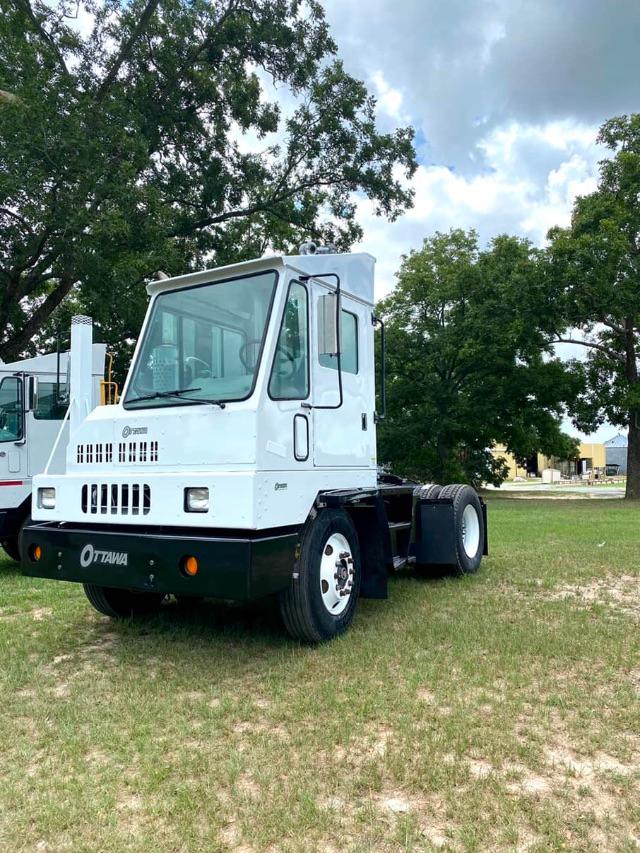
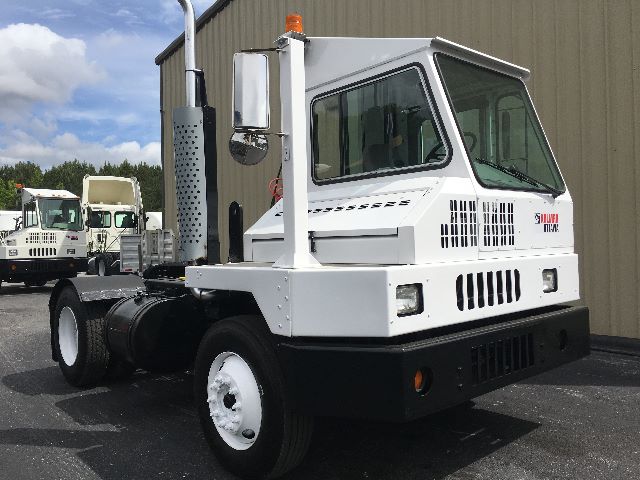
Showing 25 to 36 of 36 results
Have new yard truck to sell? List it here to reach thousands of buyers.
About New Yard Trucks
The first buying decision is usually the duty cycle. A single-axle yard truck is common for most warehouse and drop-lot applications because it offers excellent maneuverability and lower operating weight while still handling loaded van, reefer, and many container chassis moves around the yard. Buyers should pay close attention to fifth wheel lift capacity, rear axle rating, wheelbase, and cab entry design. Frequent trailer spotting calls for durable steps, grab handles, and a cab layout that reduces strain during constant in-and-out operation. Visibility to dock doors, trailer corners, and surrounding traffic is critical, so large glass areas, sloped hoods, heated mirrors, and camera systems can be more valuable than features that matter on highway tractors.
Powertrain choices on new yard trucks are increasingly application-specific. Many fleets still prefer diesel for long shifts, heavier trailer handling, and simple refueling logistics, while others are evaluating alternative fuel and electric yard tractors for emissions compliance, noise reduction, and indoor-adjacent operations. Transmission calibration, low-speed torque, cooling performance, and PTO-driven hydraulic systems all affect spotting productivity. Suspension and frame durability also matter because yard trucks deal with repeated impacts from uneven pavement, dock approaches, potholes, and constant reversing. If the operation includes rail ramps, port facilities, or rougher surfaces, tire selection, traction setup, and ground clearance deserve closer scrutiny.
A new yard truck should also be evaluated as a labor and uptime asset, not just a trailer mover. Cab ergonomics, HVAC performance, easy service access, telematics integration, and parts support can have a direct effect on utilization in high-cycle operations. Fleets comparing models often look at driver position, right-hand visibility, door configuration, seat durability, and ease of entry over a full shift. New equipment can make sense when standardizing safety systems, reducing maintenance interruptions, and matching a growing yard operation with current emissions and fleet technology requirements. The best choice is the truck that fits the trailer weights, yard layout, shift length, and maintenance strategy of the operation.
Frequently Asked Questions
What is a yard truck used for?
A yard truck is used to move semi-trailers, containers, and chassis within a confined property such as a warehouse yard, distribution center, port, or terminal. It is optimized for short-distance spotting work, frequent trailer hookups, and fast dock-to-yard moves rather than highway transportation. Most yard trucks use a hydraulic sliding or lifting fifth wheel so drivers can connect to trailers efficiently during repetitive hook-and-drop cycles.
What is the difference between a yard truck and a road tractor?
A yard truck is purpose-built for low-speed terminal work, while a road tractor is designed for over-the-road hauling. Yard trucks typically have a shorter wheelbase, tighter turning radius, better close-range visibility, and a hydraulic fifth wheel for quick trailer pickups. They also emphasize easy cab entry and exit because operators may get in and out dozens or even hundreds of times per shift. A road tractor is better suited for highway speed, ride comfort over distance, and long-haul drivetrain efficiency.
Are single-axle yard trucks enough for most operations?
Single-axle yard trucks are enough for many trailer spotting applications, especially at warehouses, retail distribution centers, and private drop lots. They provide strong maneuverability and are often easier to operate in tight lanes and dock areas. The right choice still depends on trailer weights, surface conditions, grade changes, and the fifth wheel lift capacity required. Heavier or more demanding applications may require closer review of axle ratings, frame strength, and traction setup.
What specs matter most when buying a new yard truck?
The most important specs usually include axle rating, fifth wheel lift capacity, wheelbase, engine and transmission configuration, cab visibility, and serviceability. Buyers should also evaluate ingress and egress design, mirror and camera coverage, suspension durability, cooling capacity, and compatibility with the trailers being moved. In high-cycle yards, small design details such as step height, door opening, and control placement can have a major effect on operator productivity and fatigue.
Can a yard truck be used on public roads?
Some yard trucks can be equipped for limited on-road use depending on jurisdiction, registration, lighting, braking, and safety requirements, but many are intended primarily for off-highway or private property operation. Road legality varies by state, province, and local regulations. If the truck will need to cross public roads or travel between nearby facilities, buyers should confirm compliance requirements before selecting the exact configuration.