
Trucks For Sale Near Wichita, Kansas
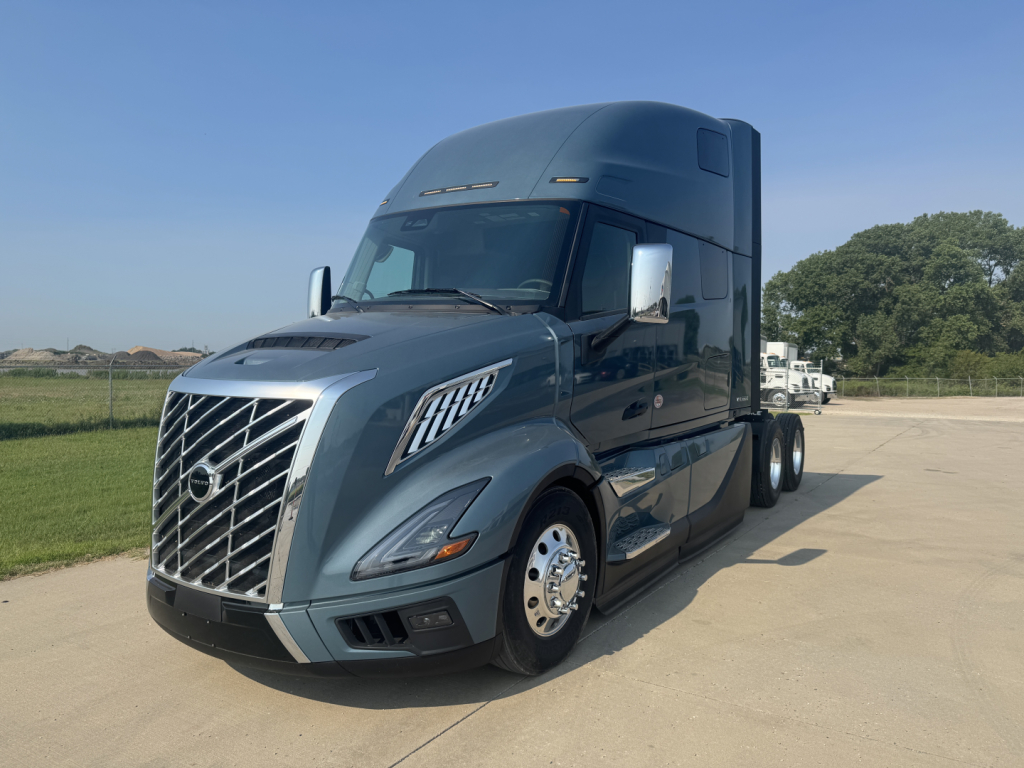
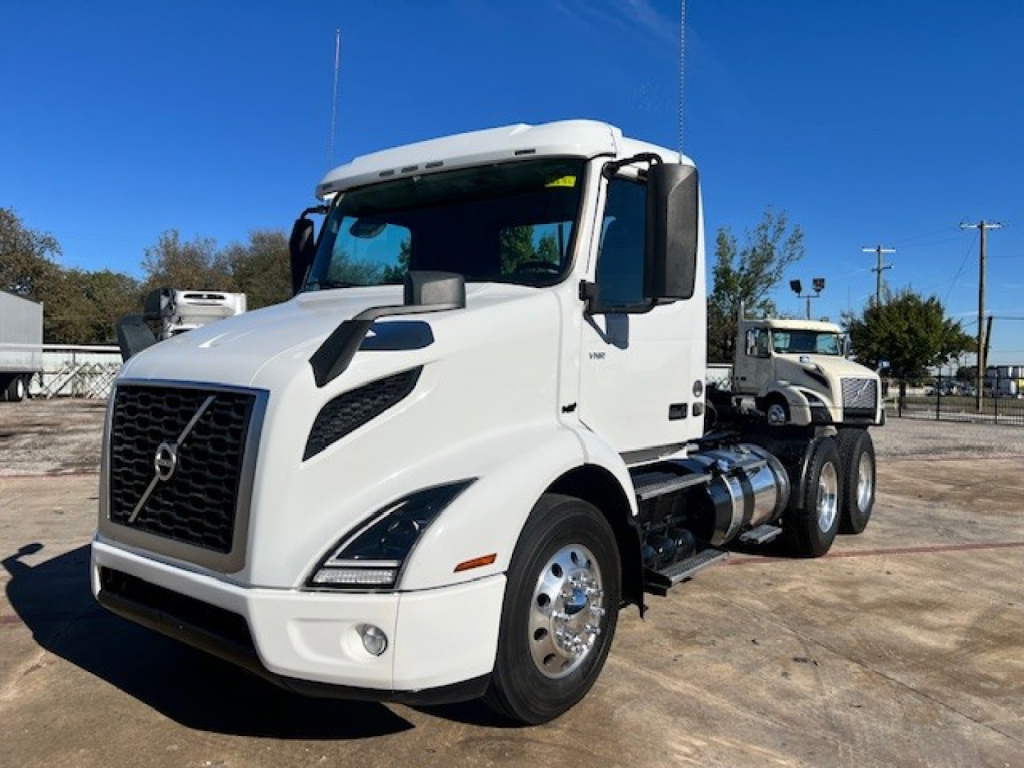
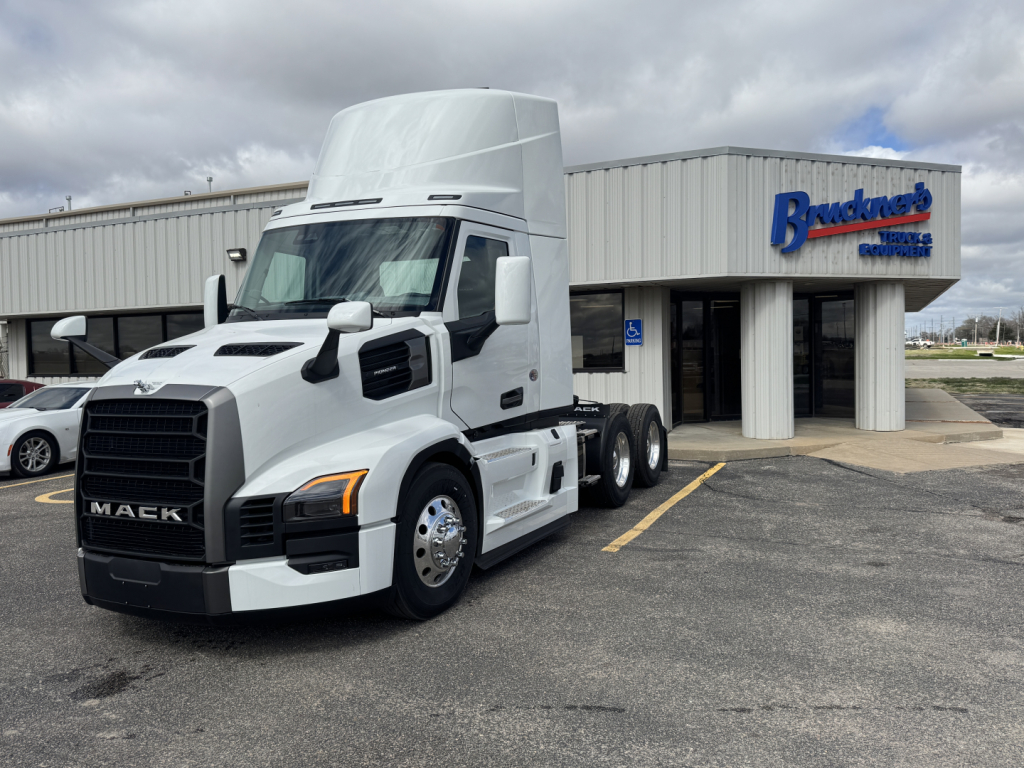
Shop used trucks in Wichita, Kansas. See sleeper, day cab, box and vocational specs for payload, weight, thermal integrity and corrosion resistance.
Learn more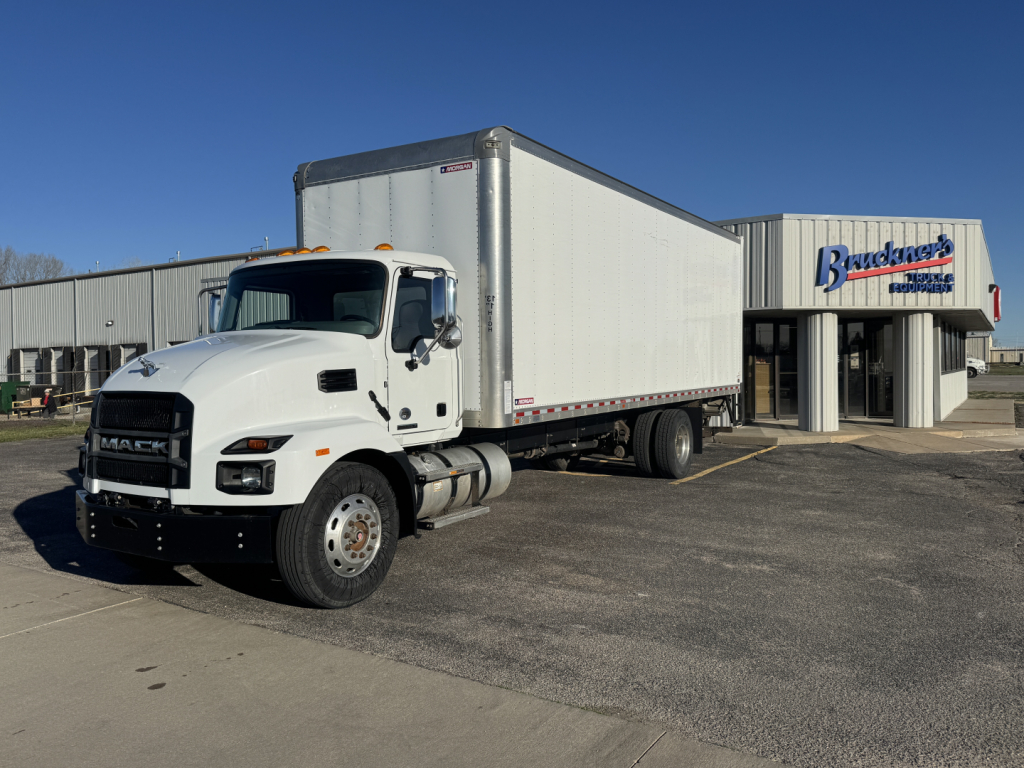

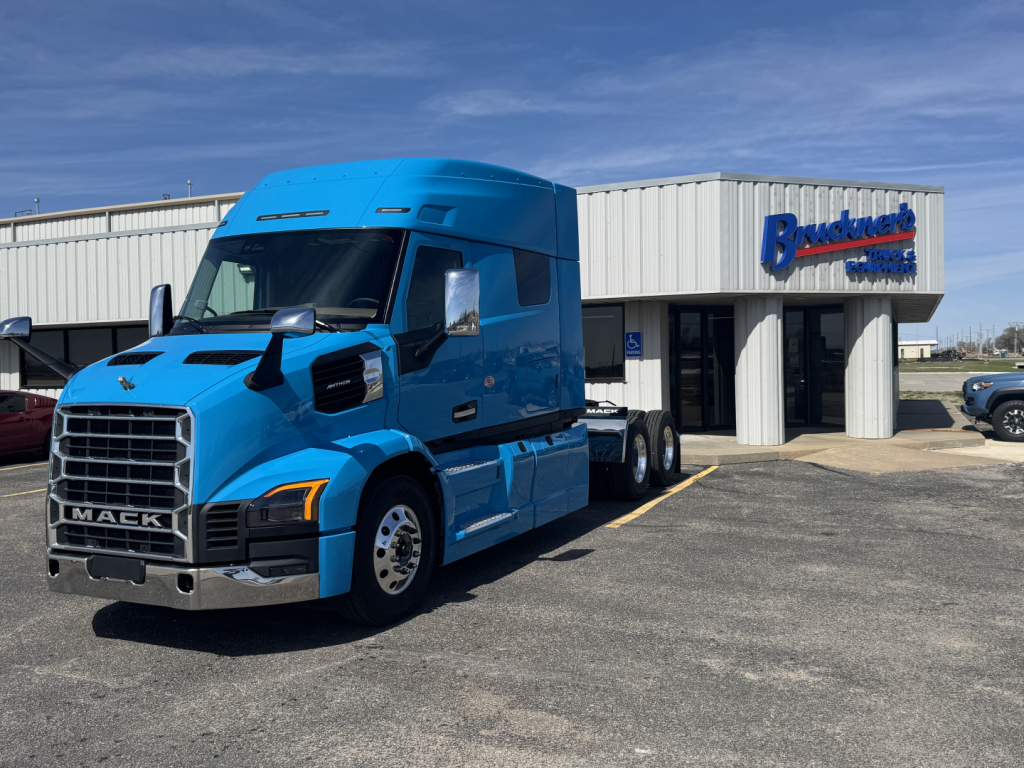
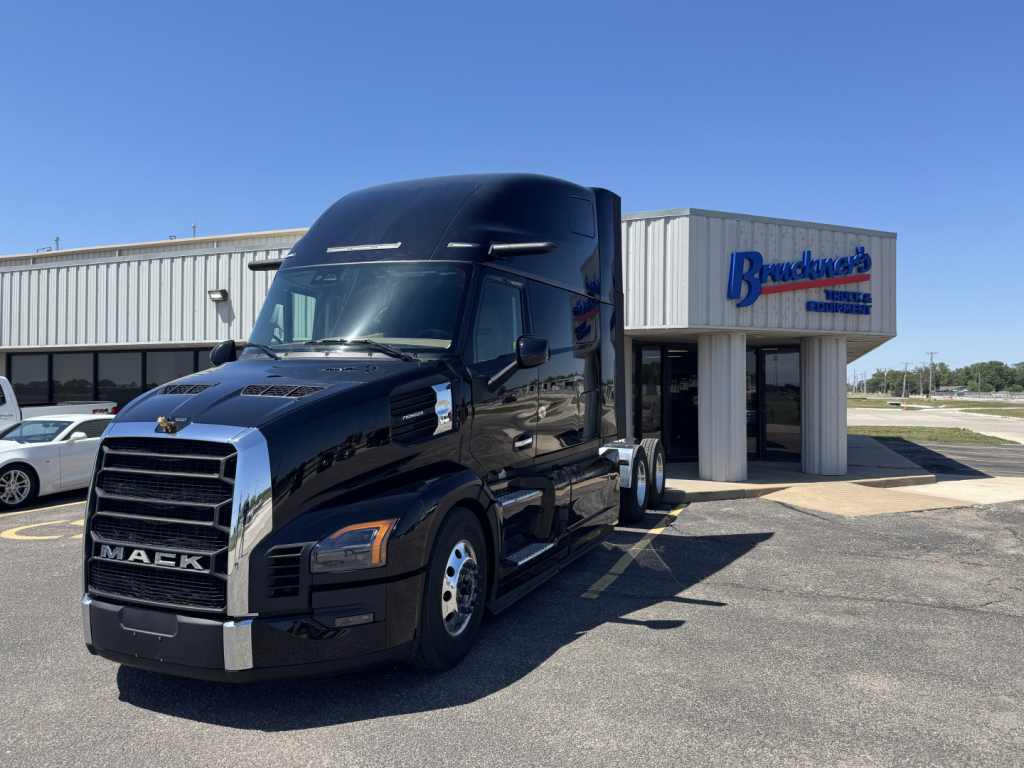
Showing 1 to 12 of 21 results
Have truck to sell? List it here to reach thousands of buyers.
About Trucks Near Wichita, Kansas
Powertrain and chassis choices drive operating cost. Modern 11 to 15 liter engines with 1550 to 1850 lb ft torque pair well with direct drive or overdrive AMTs; choose rear ratios that hold cruise at 65 to 75 mph in the engine’s sweet spot to limit regens and fuel burn on the plains. Air ride drive suspensions improve ride and protect cargo, steel spring suspensions add durability on vocational work. Tare weight matters in Kansas grain and aggregate lanes; aluminum wheels, single fuel tank layouts, and wide base singles can trim hundreds of pounds, but consider traction, tire availability and resale. Frame RBM and section modulus should match body or trailer demands, and verify PTO provisions, power take off clearance and cooler capacity if you run blowers or hydraulics in hot summers.
For straight trucks, floor strength and body details determine uptime. Look for laminated hardwood or heavy duty aluminum floors with close crossmember spacing, often 8 to 12 inches, and published forklift ratings that align with your dock equipment. Deep scuff liners, logistics posts or E track, and wear plates at the rear threshold keep wall and floor damage down. On reefer trucks, thermal integrity comes from high quality foam in place insulation, sealed vapor barriers, insulated doors, and tight door seals; inspect for temperature leakage at corners, bulkhead fit, and return air management. Warmer Wichita summers reward higher capacity refrigeration units, clean condenser airflow, and optional electric standby for overnight dock holds, which reduces fuel consumption and hours on the compressor.
Corrosion resistance protects residual value when winter brine hits I 35 and K 96. Favor e coat or epoxy primed frames, stainless or polymer battery boxes, sealed wiring with Deutsch connectors, and aluminum tanks and steps with proper isolation to reduce electrolysis. Galvanized crossmembers on bodies, composite or stainless fasteners, and undercoating extend service life. Air disc brakes improve fade resistance and often cut weight, and tire pressure monitoring or automatic inflation add ons help keep rolling resistance low and casings healthy. Idle reduction solutions, from optimized HVAC to APUs, limit aftertreatment issues during summer heat and winter cold. Spec for serviceability too, including filter access, remote grease points, and common brake and hub components supported along the I 135 corridor.
Frequently Asked Questions
What axle ratio works best for Kansas highway speeds with a 13 liter engine?
For steady 65 to 75 mph cruise on relatively flat Kansas routes, a downsped setup with an overdrive AMT and rear ratios in the 2.28 to 2.64 range keeps the engine in its peak efficiency band; if you spec a direct drive transmission, choose a somewhat higher rear ratio, often around 3.08 to 3.36, to hold target rpm. Consider tire size, fifth wheel height and expected gross weight when finalizing the ratio so you avoid excessive shifting in headwinds.
How do I evaluate floor strength on a box or reefer truck?
Review the floor material and crossmember spacing, then ask for the forklift floor rating, which should reflect axle load per wheel and tire size for your dock equipment. Laminated hardwood floors resist point loads well, heavy duty aluminum plank floors with close crossmember spacing shed moisture and weight, and rear threshold wear plates reduce impact damage. Inspect for cracked welds, loose fasteners, and soft spots around scupper drains or rear sill areas.
What defines good thermal integrity in a reefer body for Wichita summers?
High quality foam in place insulation with uniform density, sealed vapor barriers, insulated doors with tight compression seals, and minimal thermal bridges at posts and sills all contribute to stable box temperatures. Check for clean airflow to the condenser, straight bulkheads, intact scuff liners that protect insulation, and door curtains if you make frequent stops. A unit sized with enough BTU capacity to pull down quickly in 90 plus degree heat, plus electric standby for dock holds, helps maintain product quality while cutting fuel use.
How important is tare weight on a tractor, and where can I reduce it without sacrificing durability?
Lower tare weight increases legal payload and can improve fuel economy, but it should not come at the expense of frame strength, cooling capacity, or brake performance. Practical weight savings include aluminum wheels and air tanks, a single right sized fuel tank, and wide base singles for highway work when traction and tire support are suitable. Avoid deleting protective options like full chassis skirts or robust fifth wheels if you routinely run rough lots or tight docks where damage risk is higher.
What corrosion protection should I look for if I run I 135 and K 96 through winter?
Prioritize e coat or epoxy primed frames, sealed wiring harnesses with weather resistant connectors, stainless or composite battery boxes, and aluminum components with dielectric isolation to prevent galvanic corrosion. On straight trucks, galvanized crossmembers, composite scuff liners, and sealed floor fasteners protect the understructure. Regular washouts after brine exposure, attention to brake hardware, and periodic inspection of paint chips on frame rails will extend service life and preserve resale value.