
New Water Trucks For Sale
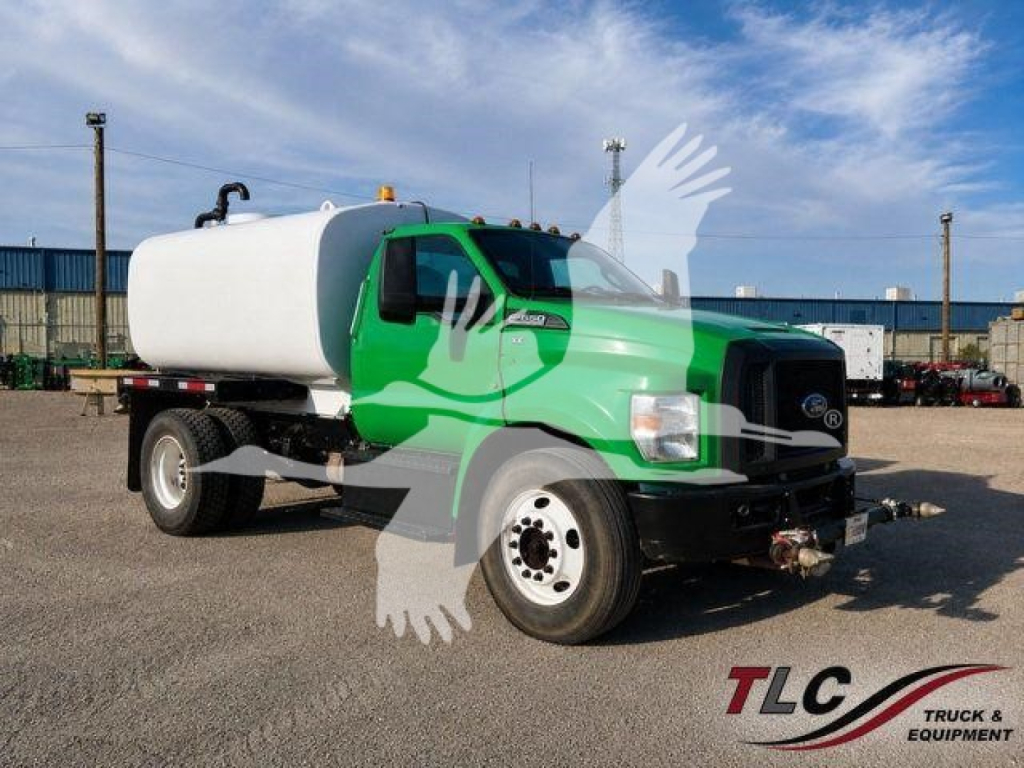
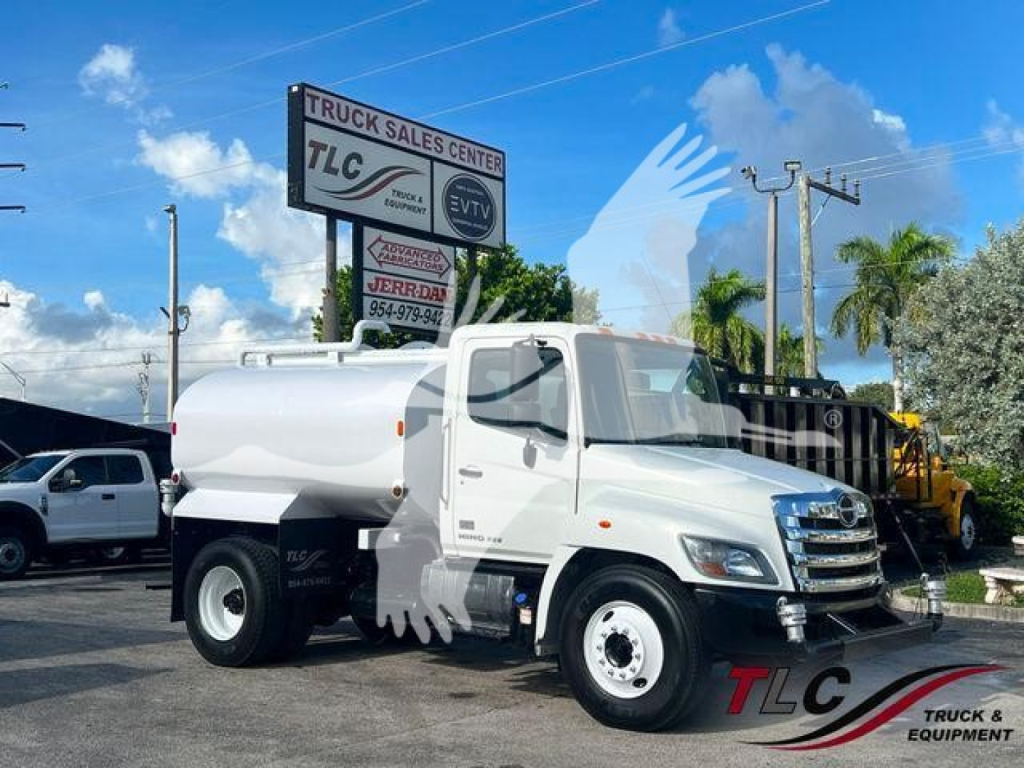
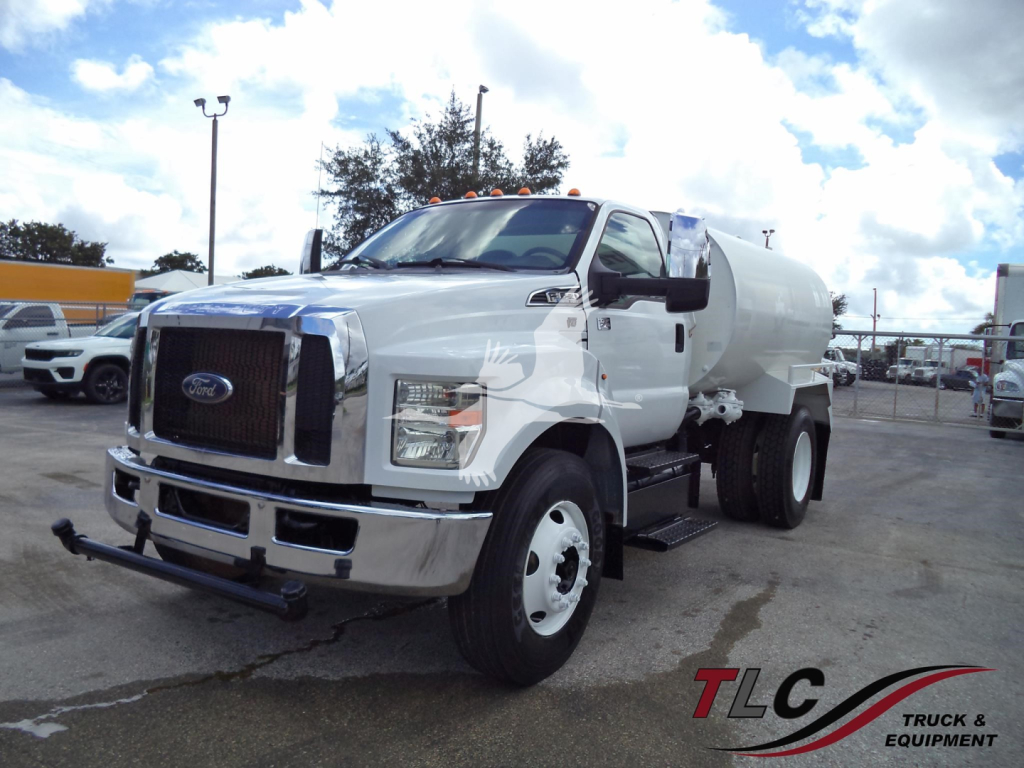
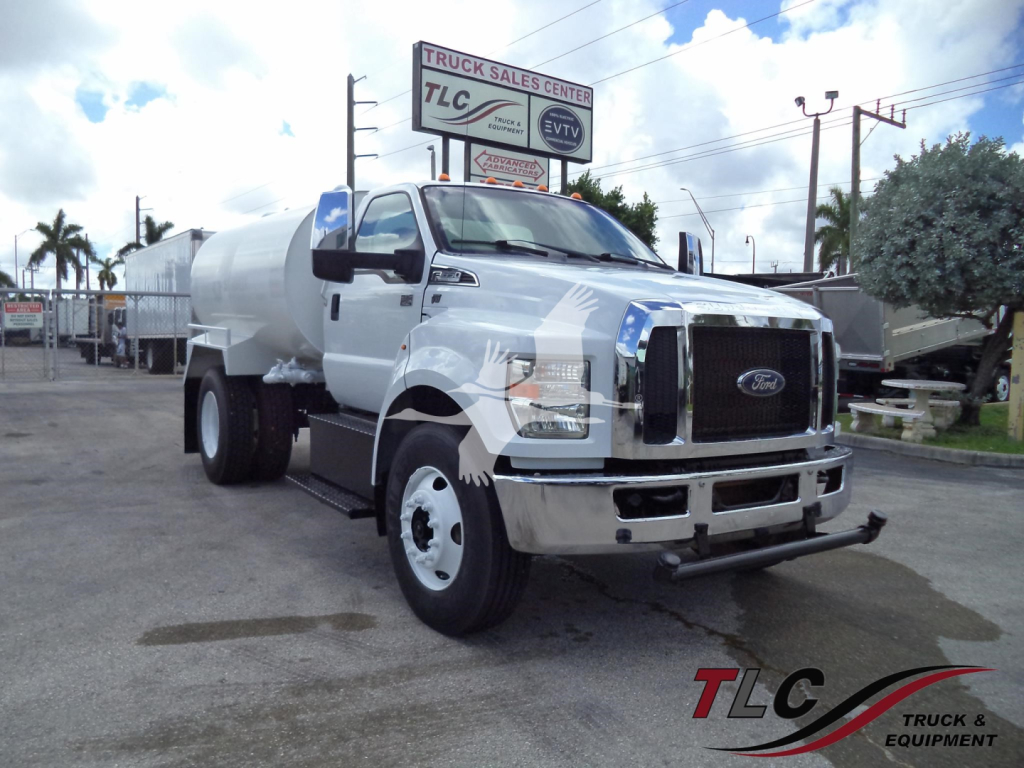
New water trucks for dust control, construction, municipal, and agricultural work. Compare tank size, spray system, pump setup, and GVWR.
No exact matches found for your search
Showing Water Trucks instead.
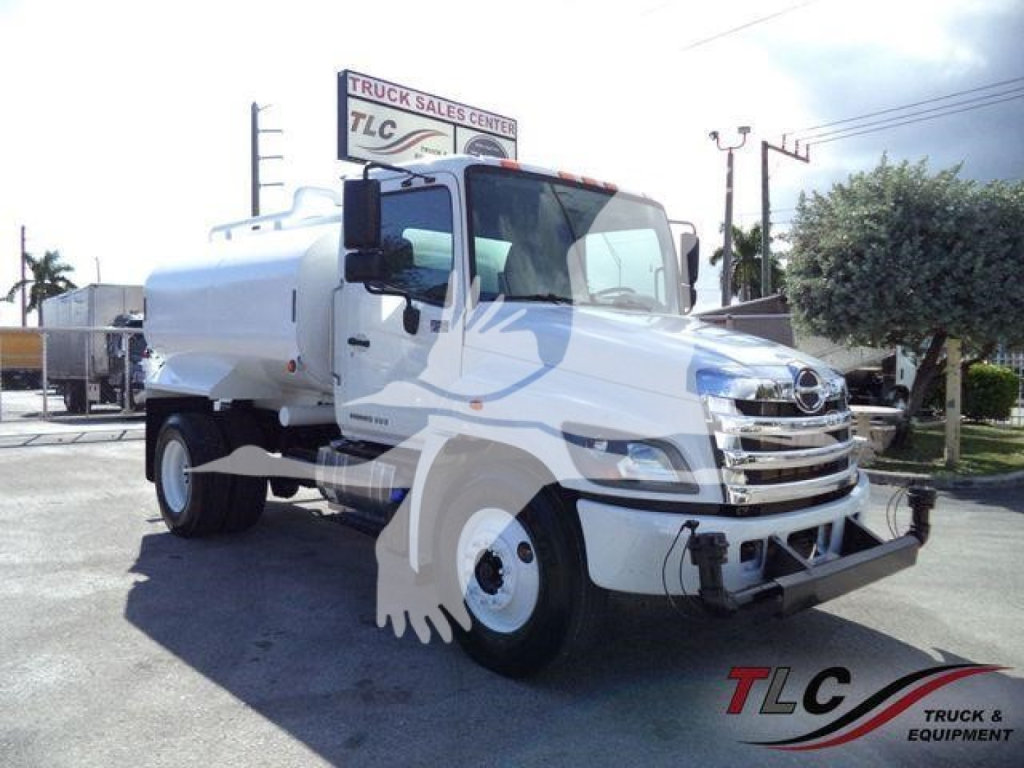
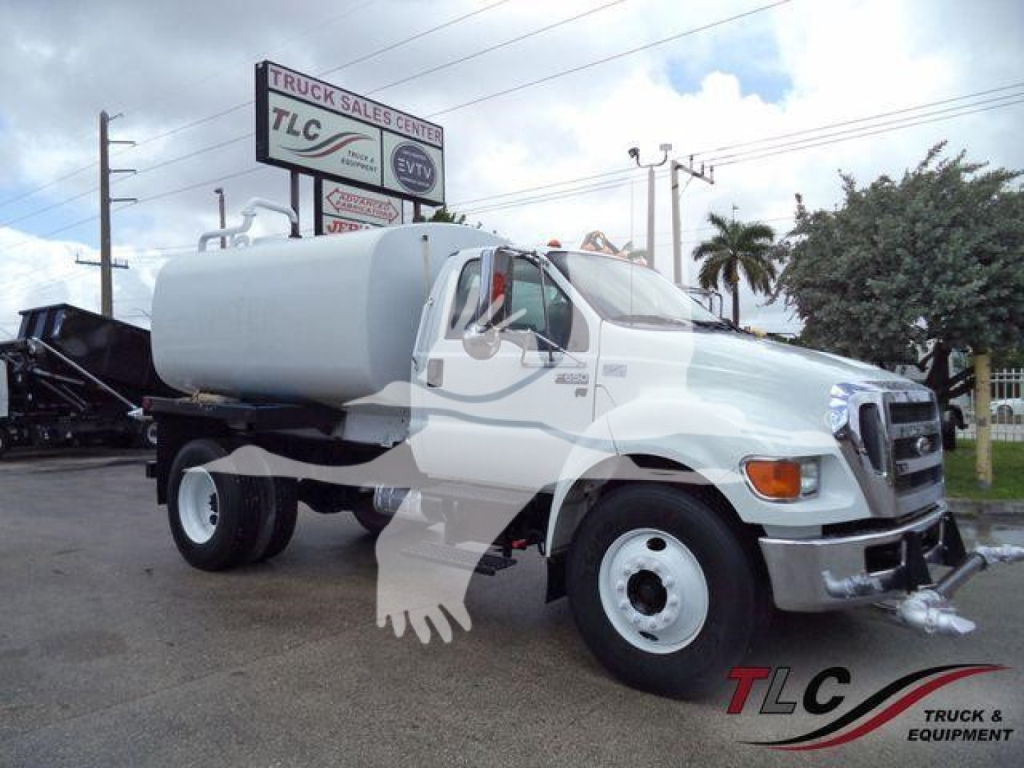
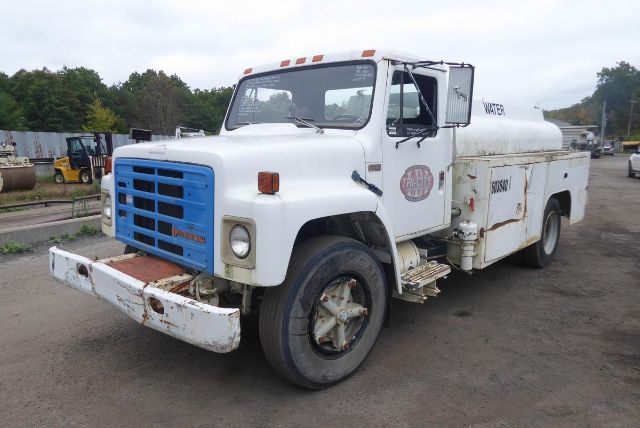
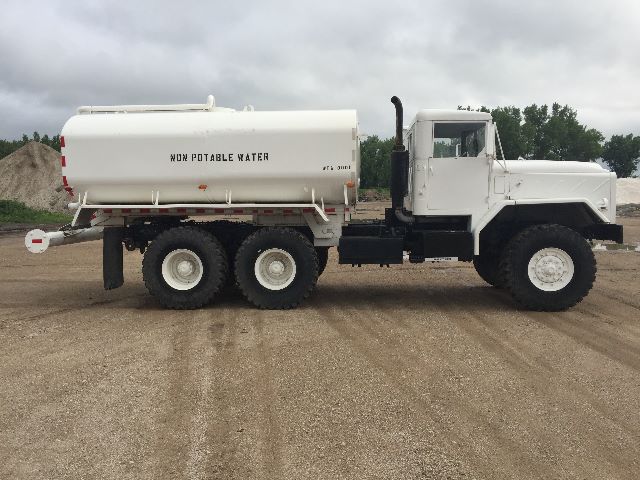
Selling a new water truck? List your new water truck for sale and reach thousands of commercial buyers.
New Water Trucks
Tank construction and spray layout are the first two decisions that affect day-to-day performance. Steel tanks remain common because they are durable and cost-effective for rough jobsite use, and buyers should pay close attention to tank thickness, internal baffle design, and weld quality. A well-baffled tank improves stability under braking and on uneven ground by controlling water surge. Spray packages typically include front, rear, and side spray heads, and many units also add a front water cannon or hose reel for targeted application. Pump configuration matters just as much. Frame-mounted centrifugal pumps in the 3-inch by 4-inch range are common on this size truck and are well suited for consistent spray-bar output, hydrant fill, and transfer work.
Chassis specs in this class often center around single-axle trucks with GVWRs around 25,995 to 33,000 pounds, depending on whether the buyer wants a non-CDL setup or a higher-capacity vocational spec. Engines in the 6.7L range with roughly 300 horsepower are a common fit, paired with Allison automatic transmissions for simple stop-and-go operation and PTO compatibility. Wheelbase, rear ratio, axle ratings, and suspension choice all affect how the truck carries a full tank and how it behaves on paved roads versus uneven jobsites. Air rear suspension can improve ride quality and help protect the body, while spring suspensions are still favored in some severe-duty applications for simplicity and load control.
A buyer comparing new water trucks should look beyond gallon capacity and focus on how the truck will actually be used. Important details include fill location, rear ladder and access, spray valve controls, corrosion protection, winterization needs, and service access to the pump and plumbing. Municipal fleets may prioritize operator visibility, backup cameras, and in-cab controls, while construction buyers may care more about rugged tank design, spray reach, and ease of maintenance. Matching the tank system to the chassis is what makes a water truck productive. The right spec balances legal weight, water capacity, pump performance, and stability so the truck can spend more time applying water and less time refilling or fighting poor handling.
Frequently Asked Questions about New Water Trucks
What size water truck is best for construction and dust control work?
For many construction, paving, and site-prep applications, a 2,000-gallon water truck is a practical middle ground. It carries enough water for meaningful dust suppression while remaining easier to maneuver on tighter jobsites than larger tandem-axle units. The best size still depends on haul distance to the fill point, site acreage, road width, and legal weight limits. If the truck will be used in urban work, subdivisions, or municipal service, a medium-duty single-axle setup is often the most efficient choice.
What features matter most on a new water truck?
The most important features are tank construction, internal baffles, pump type, spray configuration, and chassis rating. A properly baffled tank improves stability and driver confidence by reducing water surge. Buyers should also confirm the number and placement of front, rear, and side sprays, along with whether the truck includes a water cannon, hose reel, hydrant fill, and easy-to-service valves. Chassis specs such as GVWR, axle ratings, suspension, and transmission should match the tank capacity and operating environment.
Are water trucks available in non-CDL configurations?
Yes. Some new water trucks are built to fit non-CDL operating targets, typically by keeping the truck's rated and configured weight below the threshold that would require a CDL in many jurisdictions. This can be useful for municipalities, contractors, and rental fleets that need more driver flexibility. Buyers should still verify local licensing rules, actual curb weight, tank capacity, and payload assumptions because water is heavy and operating weight can climb quickly when the tank is full and the truck is equipped with pumps, spray bars, and accessories.
What is the difference between a centrifugal pump and other pump setups on a water truck?
A centrifugal pump is common on water trucks because it delivers steady volume for spray heads, washdown, and filling tasks with relatively simple operation and maintenance. It works well for dust control applications where continuous flow matters more than extreme pressure. Other pump arrangements may be used for specialized pressure or transfer needs, but for most vocational water truck work, a properly sized centrifugal pump is the standard choice. Buyers should confirm pump size, drive method, and plumbing layout to match their intended use.
How do I choose between air suspension and spring suspension on a water truck?
Air suspension generally offers a smoother ride and can reduce shock transfer to the tank and body, which is helpful for on-road municipal routes and mixed pavement use. Spring suspension is often chosen for rugged jobsite environments where simplicity, durability, and resistance to abuse are priorities. The right choice depends on how much time the truck will spend on rough haul roads versus paved streets, along with the fleet's maintenance preferences and expected load conditions.