
New Mack Water Trucks For Sale
Shop new Mack water trucks built for dust control, site service, and municipal work with durable tanks, spray systems, and medium-duty specs.
Learn more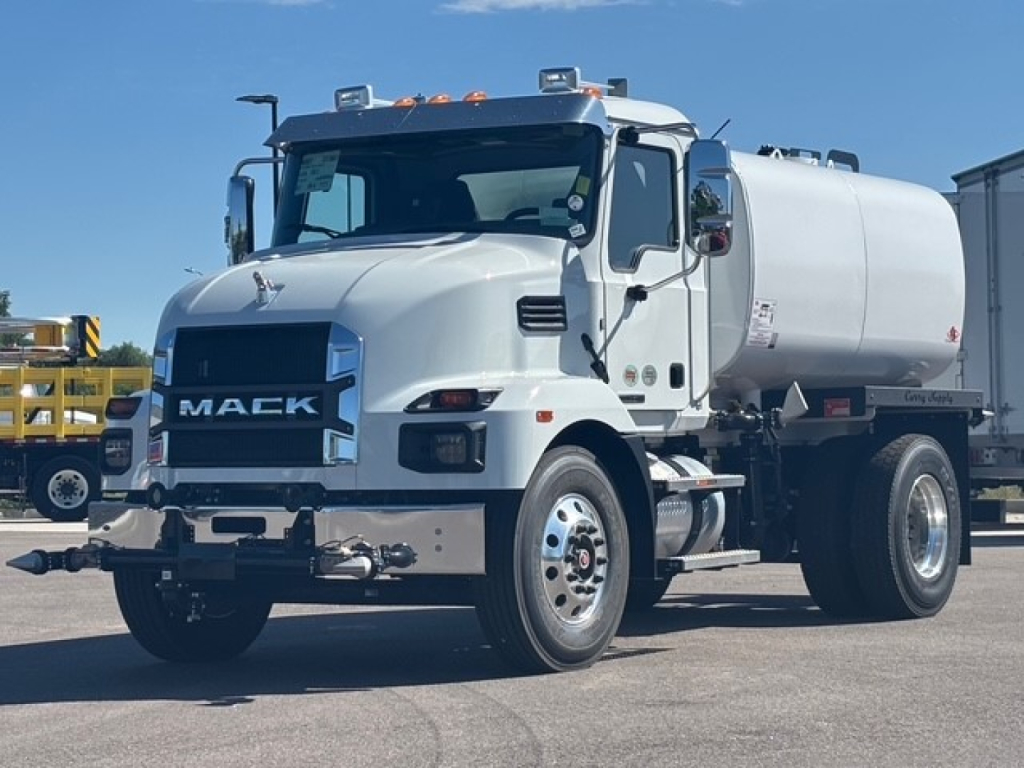

Have new mack water truck to sell? List it here to reach thousands of buyers.
About New Mack Water Trucks
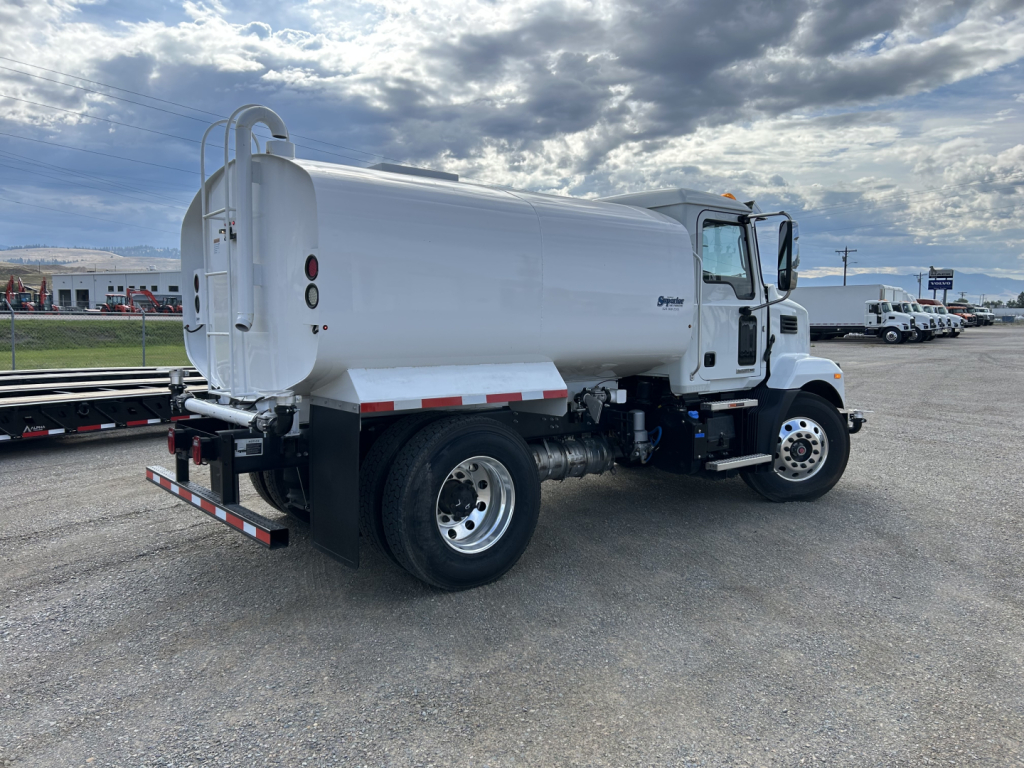
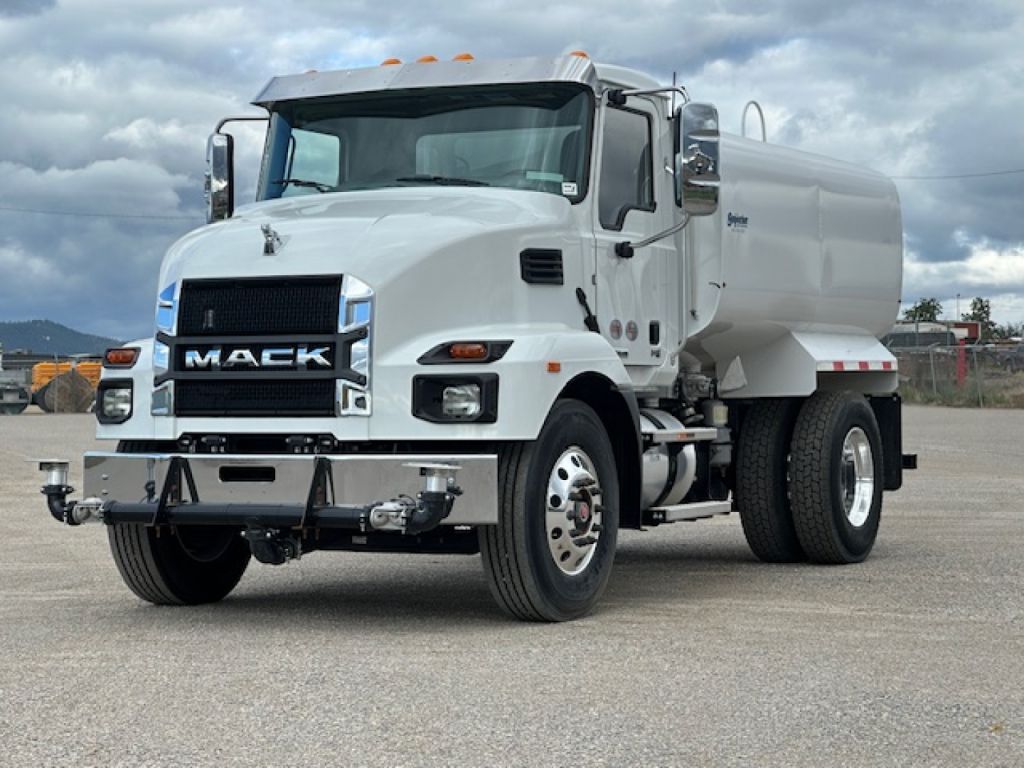
The chassis spec is a big part of the buying decision. Many new Mack water trucks in this class use the Cummins ISB 6.7L engine around 300 horsepower paired with an Allison 3000 RDS automatic transmission. That combination is popular because it is easy to train drivers on, dependable in stop-and-go work, and well matched to PTO-driven water systems. Common specs include a 12,000 lb front axle, 21,000 lb rear axle, single-axle layout, and wheelbases around 150 to 151 inches. Rear suspension can vary between multi-leaf and air spring, so buyers should think carefully about jobsite durability versus ride quality and tank stability when the truck is partially loaded.
Tank and spray package details matter more than many first-time buyers expect. Steel tanks are common in this segment, often with internal baffles to control surge during acceleration, braking, and uneven terrain. A practical setup may include front spray heads for dust control ahead of the truck, rear sprays for road wetting, side sprays for shoulder work, and plumbing for a water cannon or hose reel. It is also worth confirming fill method, pump type, and plumbing layout. Some buyers need draft capability from ponds or nurse tanks, while others mainly pressure-fill from hydrants or yard connections. Nozzle placement, valve controls, and winterization features can have a direct impact on daily productivity.
For buyers comparing new Mack water trucks, the most important questions are usually capacity, legal operating weight, spray coverage, and chassis suitability for the work environment. A 2,000 gallon truck can be a strong fit for tighter urban and commercial sites, while a 2,500 gallon configuration may better support longer cycles on road projects or larger dirt jobs. Also review brake type, rear ratio, tire spec, and body builder integration, especially if the truck will spend time off pavement. Mack's medium-duty platform is attractive in this category because it gives operators a straightforward cab, proven powertrain options, and a chassis that can be purpose-built for reliable water service without moving into a heavier truck than the job requires.
Frequently Asked Questions
What size tank is common on a new Mack water truck?
A common tank size on a new Mack water truck in the medium-duty class is about 2,000 to 2,500 gallons. That range works well on Mack MD6 and MD7 chassis because it balances usable water capacity with maneuverability, stopping performance, and GVWR compliance. Buyers should match tank size to route length, refill access, and surface conditions rather than assuming the largest tank is always the best choice.
What chassis and powertrain are typically used on Mack water trucks?
Many new Mack water trucks in this category are built on the MD7 chassis with a Cummins ISB 6.7L diesel rated around 300 horsepower and an Allison 3000 RDS automatic transmission. A common axle setup is 12,000 lb front and 21,000 lb rear on a single-axle truck with a 33,000 lb GVWR. This spec is popular because it provides solid low-speed drivability, straightforward PTO compatibility, and enough chassis capacity for a practical water tank and spray system.
What spray system features should a buyer look for on a water truck?
The most useful spray features depend on the work, but many buyers look for front sprays, rear sprays, side sprays, and plumbing for a water cannon or hose reel. Internal tank baffles are important because they reduce water surge and improve control on uneven ground or during braking. It is also smart to confirm pump type, valve layout, in-cab or manual controls, and how easily the system can be serviced in the field.
Is a Mack MD7 water truck a good fit for construction and municipal work?
Yes. A Mack MD7 water truck is often a strong fit for construction sites, paving crews, municipal departments, and property maintenance fleets that need a truck large enough for serious dust control but compact enough for tighter job areas and road travel. The medium-duty footprint helps with maneuverability, while the typical 2,000 to 2,500 gallon body gives enough on-board volume for productive cycles without stepping up to a larger tandem-axle platform.
What is more important, leaf spring or air spring suspension on a water truck?
It depends on the operating environment. Leaf spring rear suspension is often preferred for rougher jobsite use because of its simplicity and durability. Air spring rear suspension can improve ride quality and may help with stability and equipment protection on mixed on-road service. The best choice comes down to how much off-road exposure the truck will see, how the tank is baffled, and how sensitive the application is to ride and load movement.