
Water Trucks For Sale in Montana
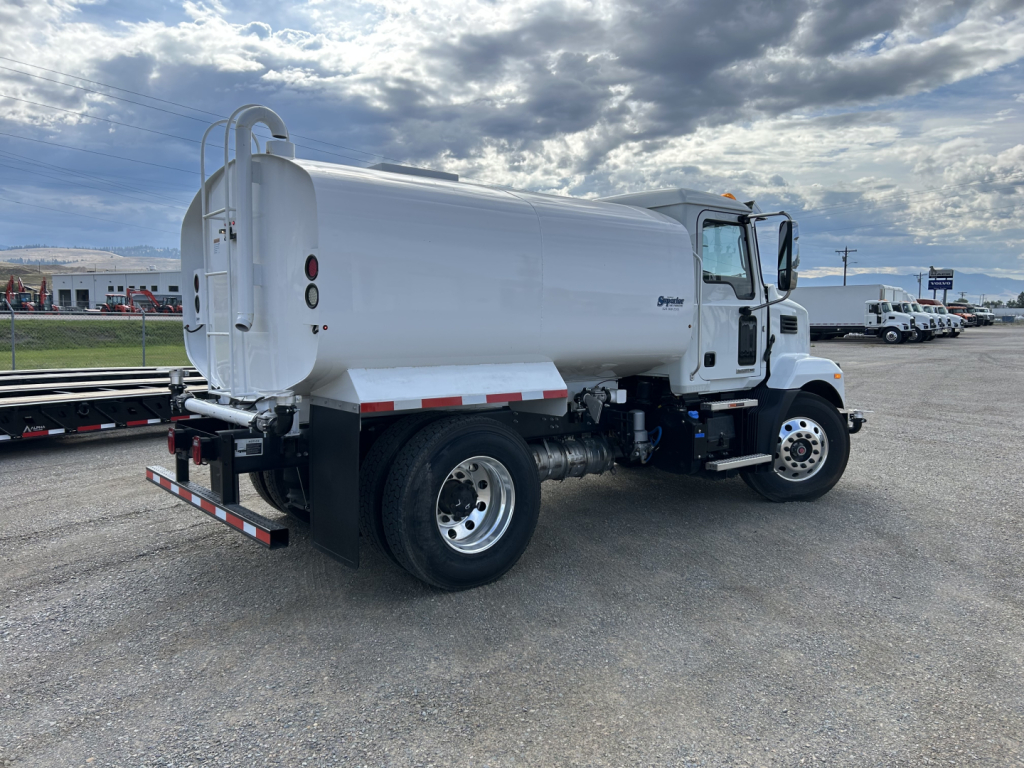
Water trucks for sale in Montana for dust control, road work, compaction support, and site cleanup with tank, pump, and spray system options.
Learn moreBrowse Water Trucks by Make
Have water truck to sell? List it here to reach thousands of buyers.
About Water Trucks in Montana
The spray system matters as much as the truck itself. Most water trucks are equipped with front, rear, and side spray heads, plus a hose reel or water cannon depending on the application. Dust control work often calls for adjustable spray bars and nozzles that can maintain even coverage without wasting water, while compaction support may require a controlled gravity or pressurized flow pattern. Buyers should also check whether the unit is set up for draft fill, hydrant fill, or both. Pump type, PTO configuration, plumbing layout, and valve access all affect daily usability and maintenance time. In colder parts of Montana, winterization is a practical concern, especially for seasonal fleets that need to protect pumps, lines, and tanks from freeze damage.
Chassis specifications should match the terrain and payload. Important details include GVWR, axle ratings, wheelbase, suspension type, transmission, and engine output. A Class 7 water truck with a diesel engine in the 250 to 350 horsepower range is common for municipal and contractor work, especially when paired with an automatic transmission for stop-and-go operation. On rougher roads, ground clearance, rear ratio, and traction can make a noticeable difference in drivability and uptime. Tank construction also deserves attention. Steel tanks remain common for durability, while some buyers prefer lighter materials to preserve payload flexibility. Internal baffles are critical because they reduce water surge, improve control, and help the truck handle more predictably on uneven roads and in traffic.
A good water truck is not just a tank on a chassis. Buyers should evaluate how the unit was built as a complete package, including tank mounting, pump access, nozzle placement, frame integration, and serviceability. It is also useful to confirm legal operating weight when the tank is full, especially on local roads and jobsite haul routes. If the truck will split time between dust suppression and washdown, look for versatile plumbing and easy operator controls. For Montana operations, the best choice is usually the one that balances capacity, refill speed, road compliance, and durability in remote conditions.
Frequently Asked Questions
What size water truck is best for dust control work?
The right size depends on haul distance, refill access, and the amount of surface area you need to cover per cycle. Smaller water trucks in the 2,000 to 3,000 gallon range are often used for urban construction, paving support, and tighter jobsites where maneuverability matters. Larger units are better for long private roads, aggregate sites, and remote projects where refill opportunities are limited. The best fit is the one that carries enough water to maintain productivity without pushing the chassis beyond legal or practical operating weight.
What features should I look for on a used water truck?
Focus on tank condition, pump operation, plumbing integrity, spray functionality, and chassis ratings. Check for corrosion inside and outside the tank, look at baffles if visible, and inspect valves, fittings, and nozzles for leaks or uneven flow. Confirm the PTO engages properly and the pump builds pressure as intended. On the truck side, verify GVWR, axle capacities, suspension condition, brake wear, and tire condition because a full water tank puts steady weight on the chassis. Service access is also important because hard-to-reach pumps and valves can increase downtime.
Are water trucks used only for construction sites?
No. Water trucks are used across construction, mining, agriculture, municipal public works, landfill operations, and industrial facilities. They are commonly assigned to dust suppression on haul roads, soil conditioning before compaction, street washing, equipment washdown, and emergency water supply support. In rural states like Montana, they may also be used on ranch roads, energy sites, and remote access routes where dust control and road maintenance are ongoing needs.
How important are baffles in a water truck tank?
Baffles are a major safety and handling component. They reduce water surge inside the tank during braking, acceleration, and cornering, which helps the truck remain more stable and predictable. A poorly baffled tank can make even a properly rated chassis feel unsettled when partially loaded. For buyers comparing water trucks, internal tank design is as important as gallon capacity because it directly affects driver confidence, stopping control, and component wear over time.
Do water trucks need special consideration for Montana weather?
Yes. Freezing temperatures make winterization a serious issue for tanks, pumps, spray heads, and plumbing lines. If the truck will operate seasonally or sit outdoors, buyers should consider drain points, line routing, pump protection, and how easy the system is to purge. Cold weather can also affect valves, seals, and hose reels. For year-round use in Montana, a water truck that is easy to drain, service, and protect from freeze damage will usually be less costly to keep in operation.