
Mack Water Trucks For Sale in Montana
Shop Mack water trucks for dust control, road work, site cleanup, and compaction support with durable chassis and job-ready tank setups.
Learn more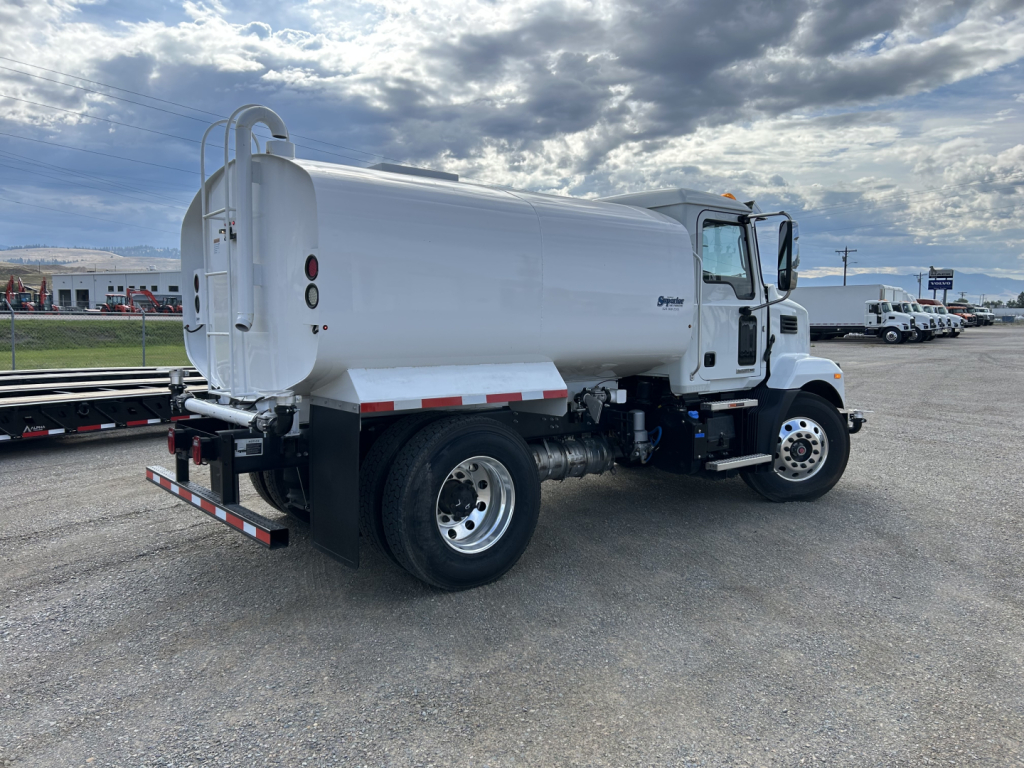
Have mack water truck to sell? List it here to reach thousands of buyers.
About Mack Water Trucks in Montana
A big part of the buying decision is matching tank size and spray system to the job. Smaller Class 7 models can be a strong fit for city street work, parking lots, subdivisions, and tighter access points, while larger tandem units make more sense for county roads, energy jobs, aggregate yards, and heavier daily production. Buyers should look closely at pump type, PTO setup, gravity spray capability, hose reel options, water cannon arrangement, and fill method. Many water trucks are equipped for both hydrant pressure fill and draft fill from ponds or jobsite sources. Adjustable rear sprays, side sprays, and front bumper sprays can make a major difference in coverage, operator control, and water conservation.
On Mack chassis, buyers are usually looking at proven diesel power, vocational frame strength, and components that stand up to stop-and-go work. Depending on the model, you may see medium-duty platforms such as the MD series or heavier vocational trucks configured for higher capacities. Automatic transmissions are common because they reduce driver fatigue and work well in frequent start-stop applications. Pay attention to GVWR, wheelbase, axle ratings, suspension type, and rear ratio, since those specs affect legal payload, turning radius, ride quality, and how well the truck carries a full tank over rough roads. In colder climates like Montana, winterization matters too. Tank material, pump protection, drain layout, and ease of flushing can all affect off-season maintenance and freeze protection.
Body condition and system layout are just as important as the chassis badge. Check the tank interior, baffles, plumbing, valves, nozzles, and controls for signs of corrosion, leaks, or poor repairs. Ask whether the unit has in-cab spray controls, sight gauges, anti-siphon protection, and accessible service points. A well-spec'd Mack water truck can serve multiple roles across a fleet, from dust abatement and shoulder work to site cleanup and compaction support. Buyers comparing listings should focus on the complete package: chassis capacity, tank design, pump performance, spray configuration, and how the truck is set up for the exact road, municipal, or construction work it will perform.
Frequently Asked Questions
What size Mack water truck is best for dust control work?
The right size depends on route length, refill access, and how much coverage you need per shift. A smaller single-axle Mack water truck with a tank around 2,000 to 2,500 gallons can work well for city streets, subdivisions, parking lots, and tighter jobsites. Larger tandem-axle trucks with more capacity are better suited for county roads, mines, aggregates, and remote construction work where refill opportunities are limited. Buyers should match tank size to axle ratings, legal weight limits, and the daily cycle of the job.
What should I inspect on a used Mack water truck?
Start with the tank, pump, and spray system before focusing only on miles or engine hours. Inspect the tank for internal corrosion, cracking, poor weld repairs, and solid baffle condition. Check all plumbing, valves, nozzles, hose reels, and spray heads for leaks or uneven flow. Confirm the PTO engages properly and that the pump primes and maintains pressure. On the chassis side, review GVWR, suspension condition, frame integrity, brake wear, and tire condition, especially if the truck has spent time on gravel roads or construction sites.
Are Mack water trucks good for Montana conditions?
Mack water trucks are a practical fit for Montana because buyers often need a durable vocational chassis for mixed pavement and off-road use, long travel distances, and changing weather. The truck should still be spec'd for the region. Cold-weather considerations include proper drain points, pump protection, winterization procedures, and tank materials that hold up well through freeze-thaw cycles. For rural and energy-related work, buyers should also consider larger tanks, reliable draft-fill capability, and axle configurations that handle rough roads without sacrificing legal compliance.
What spray options matter most on a water truck?
The most important spray options depend on the work, but rear sprays, side sprays, and front bumper sprays are common core features. Rear and side sprays are useful for dust suppression and shoulder work, while front sprays can help with compaction and surface prep. A water cannon or hose reel adds flexibility for washdown and spot application. Adjustable nozzles and in-cab controls improve accuracy and reduce wasted water, which matters on longer routes and remote jobs where refill time cuts into production.