
Used Commercial Trucks For Sale in North Carolina
Browse used trucks for sale in North Carolina, including day cabs, sleepers, dump trucks, and vocational models with diesel powertrains.
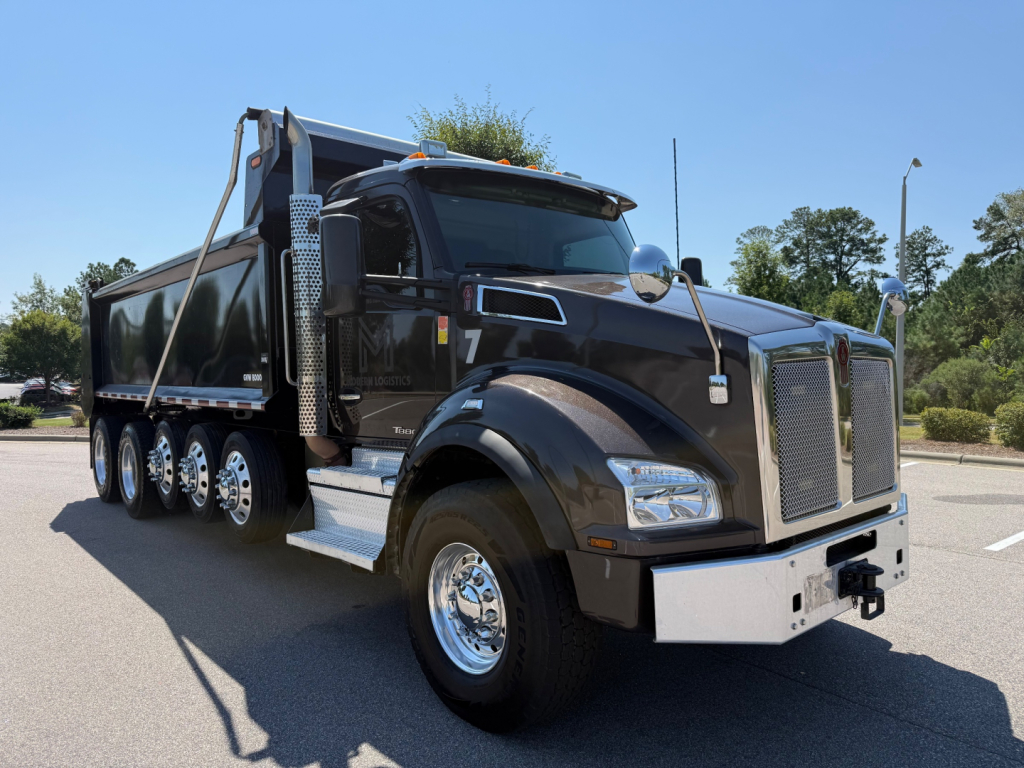
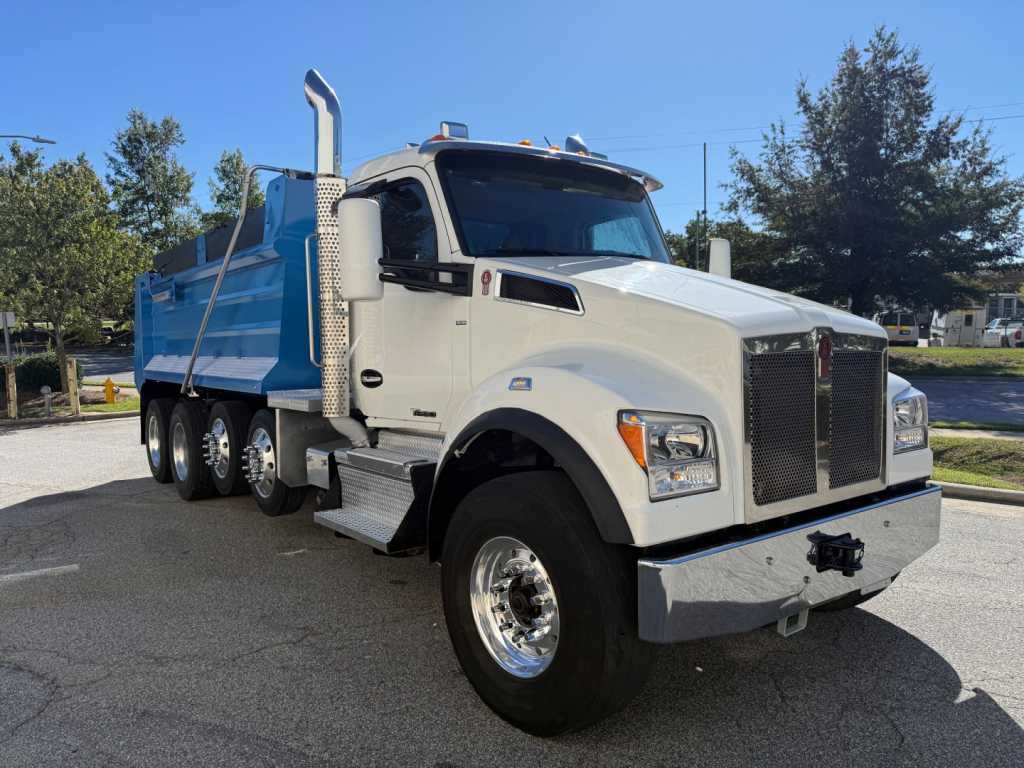
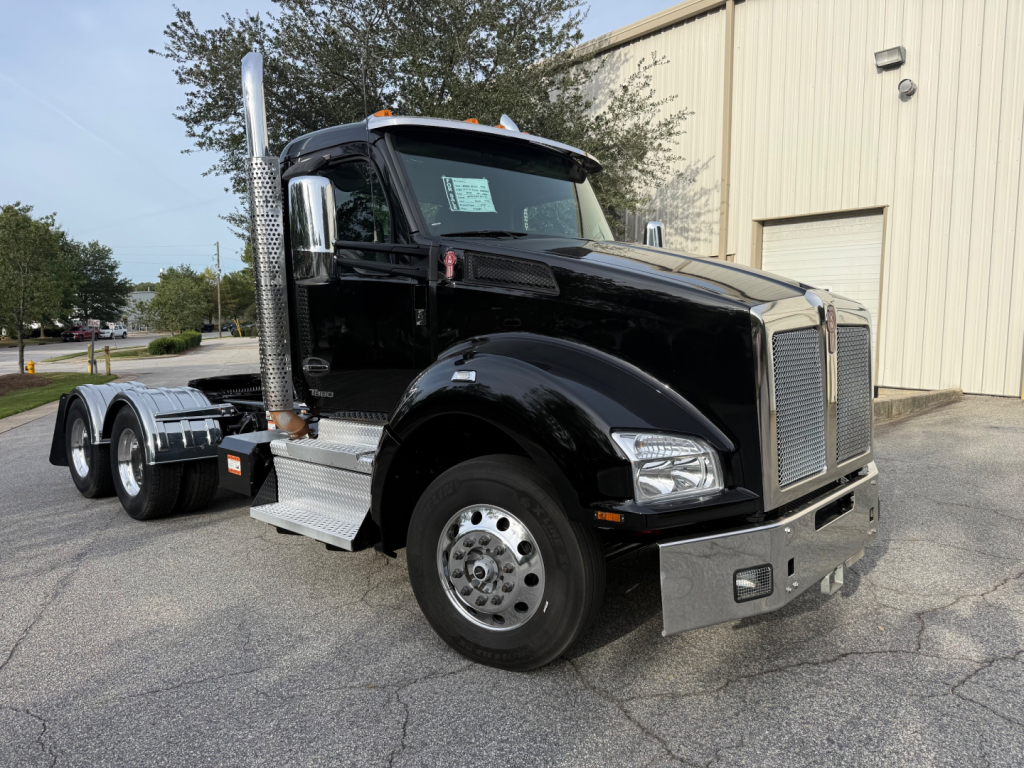
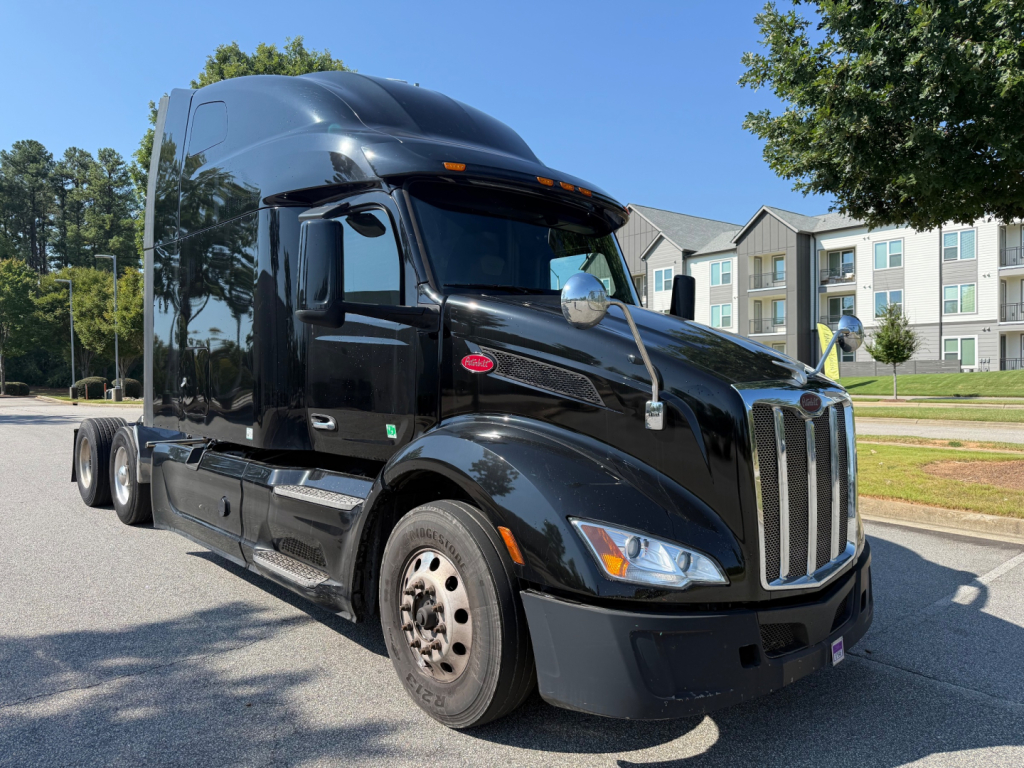
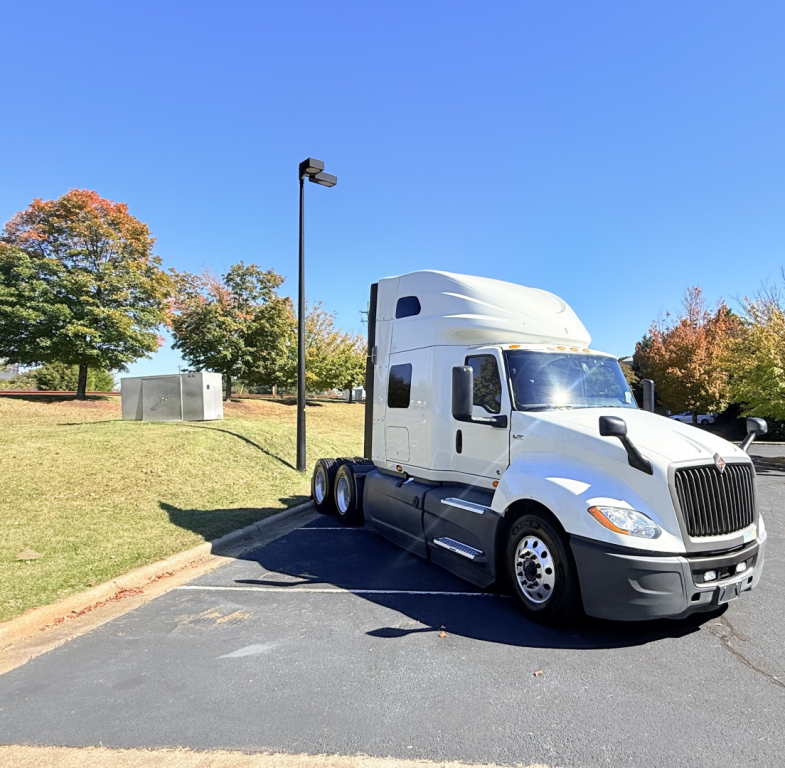
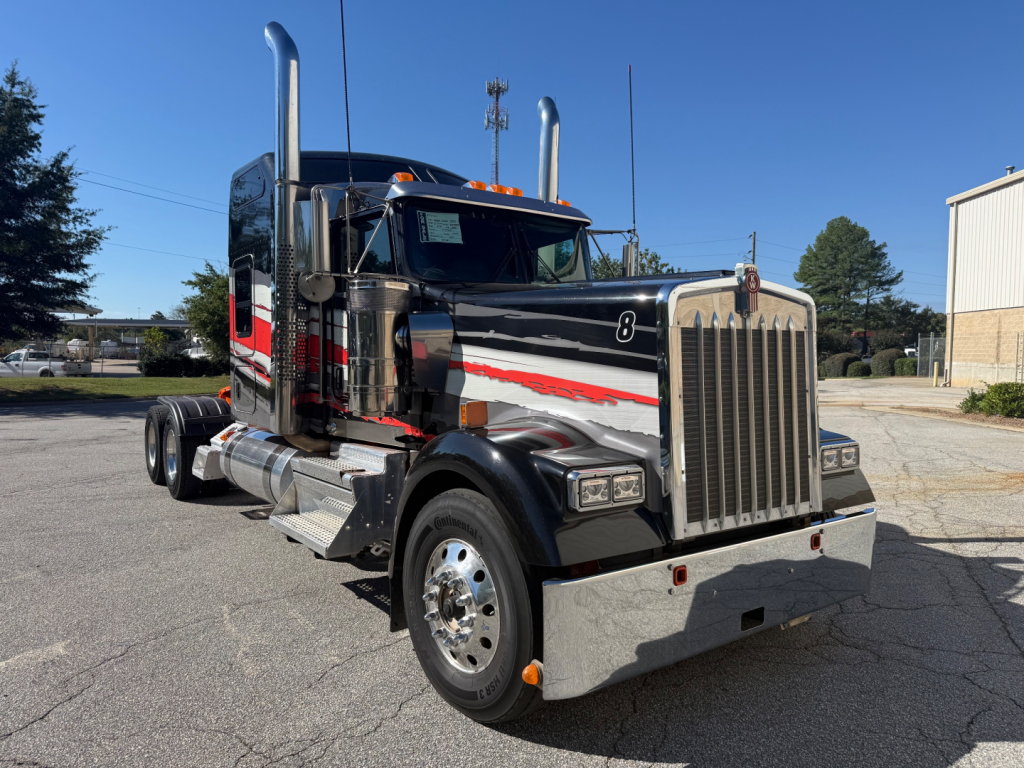
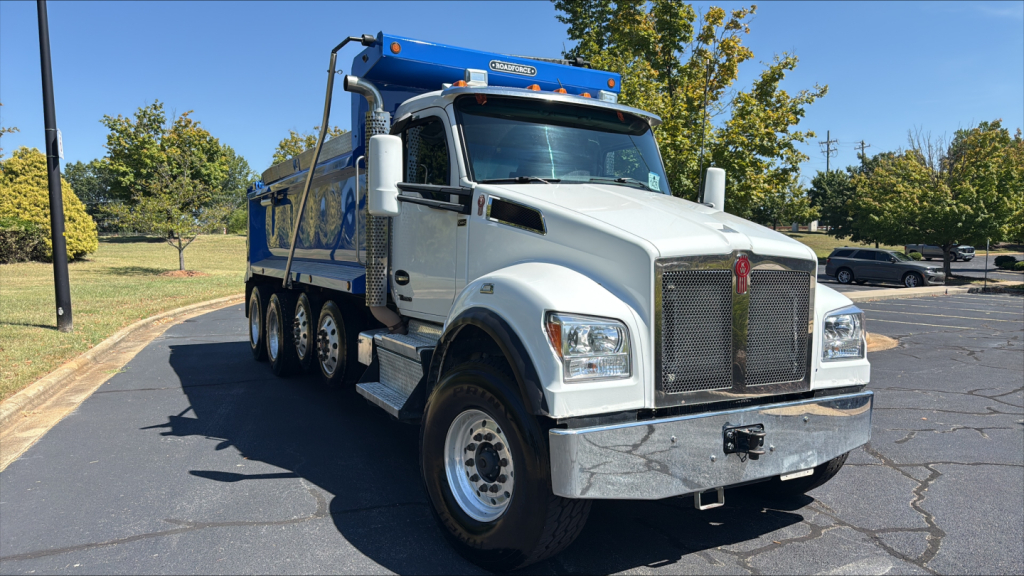
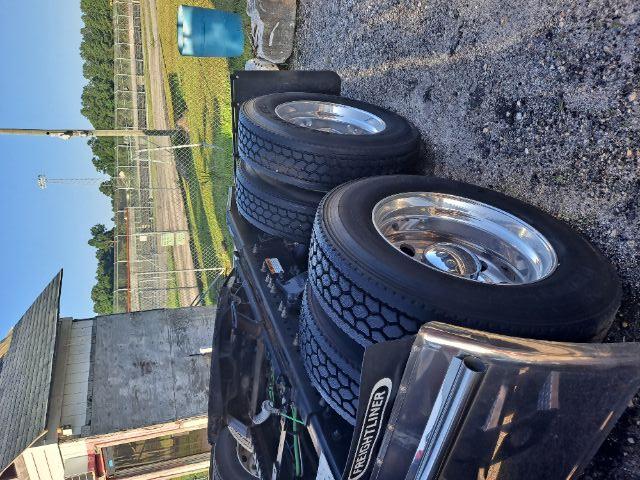
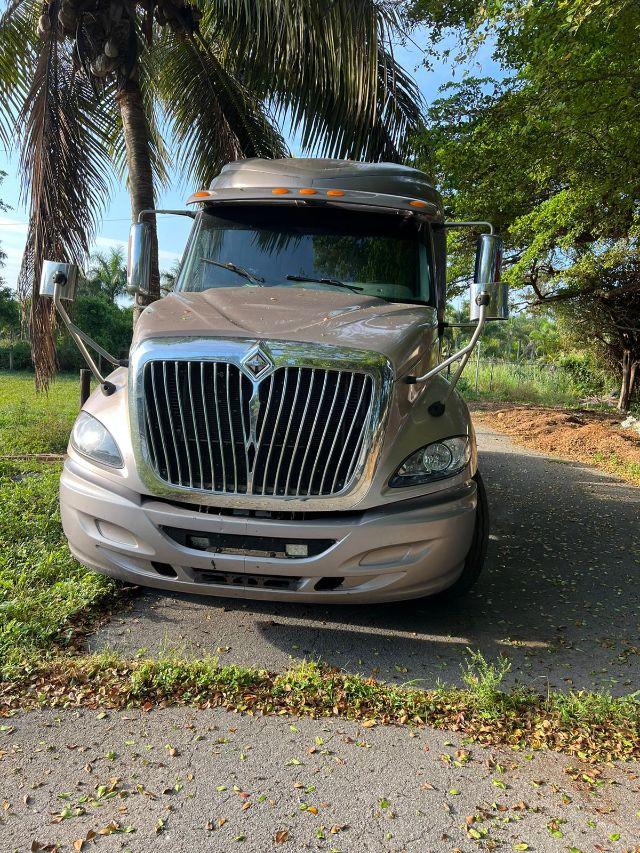
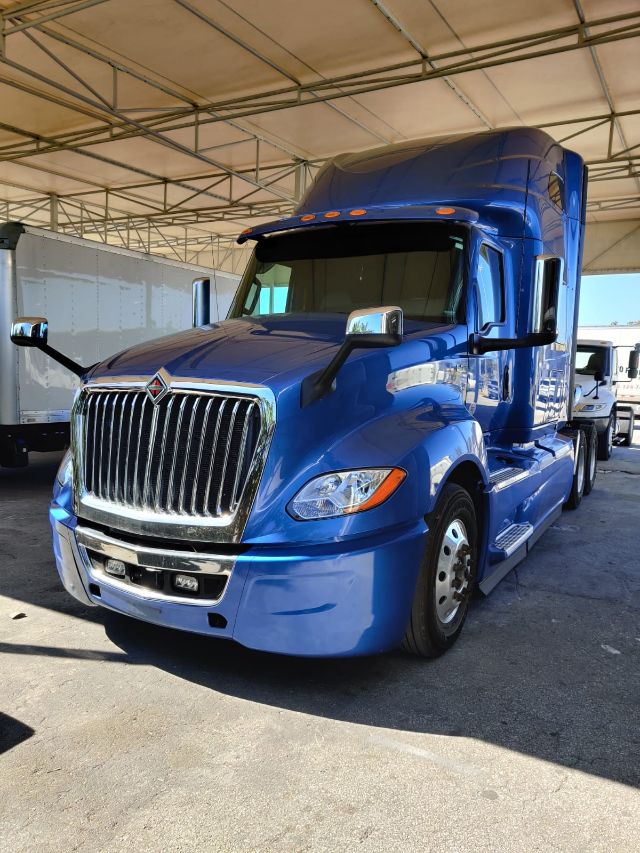
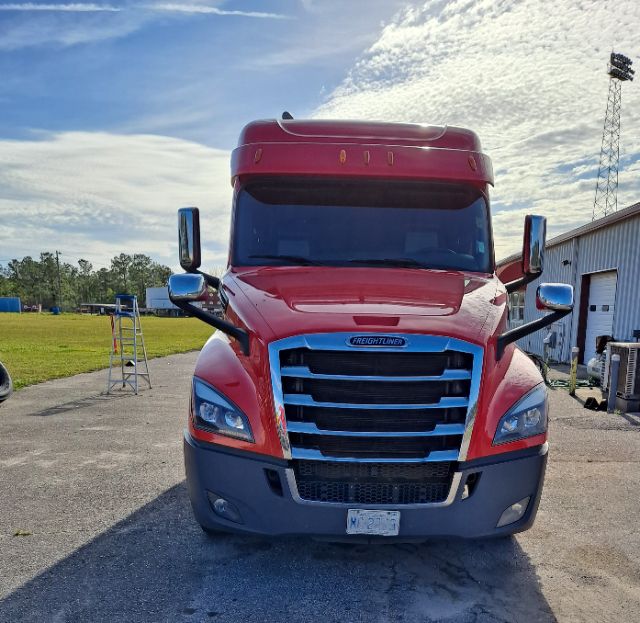

Showing 29 to 56 of 76 results
Selling a used commercial truck? List your used commercial truck for sale and reach thousands of commercial buyers.
Used Commercial Trucks in North Carolina
On-road used trucks in this market commonly include conventional day cabs and sleeper tractors from builders like Freightliner, Volvo, and International. Typical specs include diesel engines in the 330 to 500 horsepower range, manual or automated transmissions, single or tandem rear axles, and rear axle ratios selected for either fuel economy or gradeability. A single-axle day cab with a 2.67 or 3.08 ratio can make sense for regional freight and lighter trailer work, while a tandem-axle sleeper with a 3.55 to 3.73 ratio is more common for heavier interstate loads. Buyers should pay close attention to wheelbase, fifth wheel type, fuel capacity, suspension design, and whether the truck has engine brake, fairings, power windows, or other driver-focused features that affect operating cost and comfort.
North Carolina buyers also need to think about use case by geography. Trucks running the Piedmont and major freight corridors may favor aerodynamic specs, lower rear ratios, and highway-focused powertrains. Trucks working western grades or construction routes often benefit from higher torque ratings, heavier rears, vocational suspensions, and simpler driveline layouts. In used vocational trucks such as dump or garbage trucks, body condition matters as much as the cab and chassis. Check hoist operation, packer or hydraulic system performance, frame condition, corrosion around mounts, PTO engagement, brake wear, and signs of hard municipal service. Service records, idle hours, emissions history, and tire condition can tell you as much as the odometer on older units.
A strong used truck should match the lane, payload, and maintenance capability of the fleet that will run it. Engine families such as the Detroit DD13 and older Detroit 12.7L platforms remain common in the used market, and transmission choice still matters for driver availability and repair strategy. Buyers comparing used trucks in North Carolina should evaluate GVWR or GCWR, axle configuration, sleeper size, suspension type, and emissions equipment before focusing on cosmetics. The right truck is the one with the correct spec and a maintenance history that supports reliable service, not simply the newest model year.
Frequently Asked Questions about Used Commercial Trucks in North Carolina
What types of used trucks are commonly available in North Carolina?
Used truck listings in North Carolina often include conventional day cab tractors, sleeper tractors, dump trucks, garbage trucks, and other medium-duty or heavy-duty vocational units. Day cabs are commonly used for local and regional hauling, while sleeper trucks are built for longer routes and over-the-road freight. Vocational trucks are typically spec'd for construction, municipal, or utility work and may include PTO-driven equipment, heavier suspensions, and specialized bodies.
What should I check first when buying a used truck?
Start with the truck's intended application, then verify that the core specs match the job. The most important items are engine model, horsepower, transmission type, axle configuration, rear axle ratio, suspension, wheelbase, and weight ratings. After that, review maintenance history, engine hours if available, tire condition, brake wear, fluid leaks, frame condition, and the status of emissions components. On vocational trucks, inspect the body, hydraulics, PTO system, and any signs of structural fatigue or corrosion.
Is a day cab or sleeper better for my operation?
A day cab is usually the better fit for local or regional routes where overnight accommodations are not needed. It is lighter, often easier to maneuver, and can provide more payload flexibility depending on the application. A sleeper is better suited to longer hauls, teams, or routes that require overnight rest in the truck. The choice should be based on route length, driver scheduling, wheelbase needs, and how much fuel and storage capacity the operation requires.
How important is rear axle ratio on a used truck?
Rear axle ratio has a major effect on fuel economy, startability, cruising RPM, and overall drivability. Lower numerical ratios such as 2.64 or 2.79 are often chosen for fuel-efficient highway work, especially with downsped powertrains. Higher numerical ratios such as 3.55 or 3.73 generally provide better pulling power and may be a better fit for heavier loads, stop-and-go duty, or hilly terrain. The right ratio depends on engine torque, transmission gearing, tire size, and the weight the truck will regularly move.
What matters most on a used vocational truck like a dump or garbage truck?
On a used vocational truck, chassis condition is only part of the evaluation. The body, hydraulics, PTO setup, suspension, and frame integrity are all critical because these trucks typically work under higher stress than highway tractors. Buyers should inspect cylinder seals, hoists, packer mechanisms, body floor wear, rust around mounts, and evidence of repeated overloading. A vocational truck with a sound body and properly functioning hydraulic systems can be more valuable than a cleaner truck with hidden structural or equipment issues.