
Used Trucks For Sale in Michigan
Browse used trucks for sale in Michigan, including sleepers, dumps, hooklifts, and vocational trucks with specs for regional and heavy-duty work.
Learn morePopular Trucks Categories
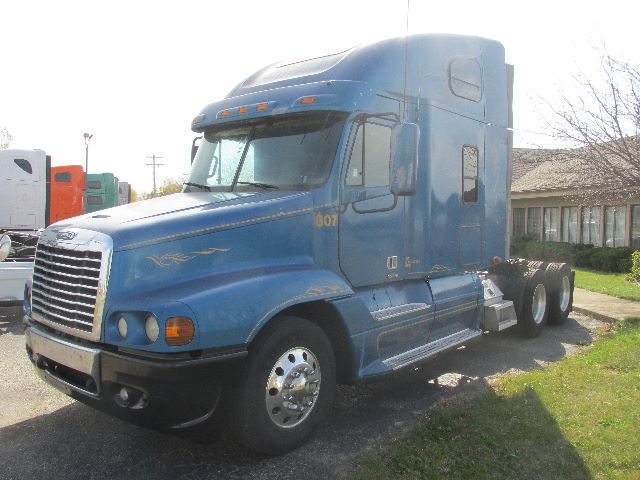
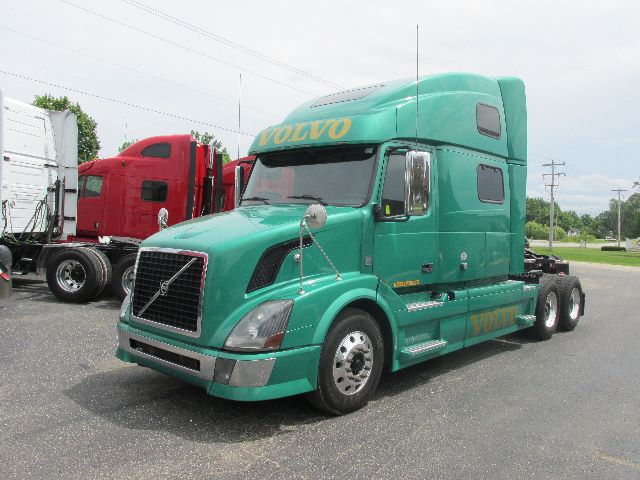
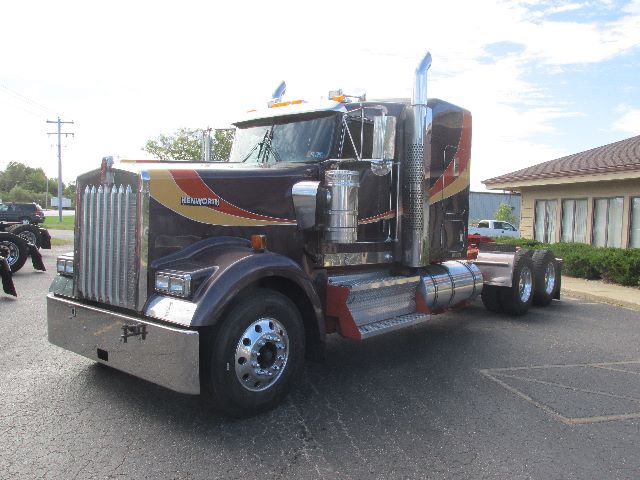
Showing 13 to 15 of 15 results
Have used truck to sell? List it here to reach thousands of buyers.
About Used Trucks in Michigan
For highway use, used conventional sleeper trucks remain the core of the market. Common specs include 12,000 lb front axles, 40,000 lb rears, air ride suspension, sliding fifth wheels, and fuel capacity suited for regional or long-haul lanes. Engine ratings often fall in the 430 to 500 horsepower range, paired with manual 10-speed or 13-speed transmissions, or automated manuals such as Volvo I-Shift. Buyers should pay close attention to rear axle ratio, engine brake performance, emissions system history, and signs of recent major work such as injectors, EGR components, clutch replacement, or dyno results. In a used sleeper, practical details like bunk configuration, APU, inverter, heater, and tank size can have a direct effect on driver acceptance and operating cost.
Michigan also has strong demand for vocational used trucks, especially dump trucks, plow-prepped units, spreaders, and hooklift trucks. These trucks are often built on severe-duty platforms such as Freightliner SD models, Western Star vocational chassis, or medium-duty International platforms. Key buying points include body condition, hoist function, frame integrity, front axle capacity, automatic versus manual transmission, hydraulic setup, and any included equipment such as belly plows, underbody scrapers, tailgate spreaders, front hitches, or spray systems. For municipal and seasonal work, corrosion from salt exposure deserves careful inspection around crossmembers, cab corners, wiring, hydraulic lines, and mounting points. Hours can matter as much as mileage on trucks that spend long periods idling or operating PTO-driven equipment.
A strong used truck purchase usually comes down to matching the spec to the job. A long-wheelbase sleeper with tall gearing fits linehaul freight, while a shorter wheelbase tandem dump or hooklift is better suited to construction, transfer station work, or city routes. In Michigan, buyers should also consider cold-weather starting, tire condition, heater performance, air system health, and whether the truck has been maintained on a consistent service schedule. Reviewing maintenance records, DOT status, brake and tire percentages, and the condition of suspension, steering, and emissions components will tell you more about future uptime than paint or cab trim ever will.
Frequently Asked Questions
What types of used trucks are commonly available in Michigan?
The Michigan used truck market typically includes conventional sleeper tractors, day cabs, dump trucks, hooklift trucks, and other vocational chassis used in municipal, construction, and heavy-duty service. Sleeper tractors are common for regional and over-the-road freight, while dumps, spreaders, and plow-equipped trucks are widely used for road maintenance, aggregate hauling, and seasonal snow operations. Medium-duty trucks also appear regularly for local service and body upfit applications.
What should I check first on a used sleeper tractor?
Start with the powertrain and chassis spec. Confirm engine make, horsepower, transmission type, rear axle ratio, axle ratings, and suspension setup, then review maintenance history for injectors, EGR or DPF work, clutch service, and brake condition. A used sleeper should also be checked for blow-by, coolant and oil condition, tire wear, fifth wheel function, and cab amenities that affect driver comfort, such as bunk layout, APU, bunk heater, and inverter. These details have a direct impact on reliability and resale.
Are vocational used trucks in Michigan more likely to have corrosion issues?
Yes. Trucks used in Michigan municipal and winter service often see salt, moisture, and freeze-thaw cycles that accelerate corrosion. Buyers should inspect the frame, body mounts, crossmembers, hydraulic lines, electrical harnesses, brake components, and cab structure for rust damage or repairs. Surface rust is common, but scaling, soft metal, damaged mounting points, or corrosion around wiring and hydraulic fittings can turn into expensive downtime.
Is mileage or engine hours more important on a used truck?
It depends on the truck's application. For highway tractors, mileage is usually the main benchmark, but engine history, service records, and overall condition still matter more than the odometer by itself. For dump trucks, spreaders, and hooklifts, engine hours can be just as important because PTO operation, idling, and stop-and-go work add wear without adding many road miles. A lower-mile vocational truck with high hours may have seen more mechanical load than the odometer suggests.
What specs matter most when choosing a used truck for Michigan work?
The right spec depends on the route and application, but key items include axle configuration, wheelbase, transmission type, horsepower, rear axle ratio, suspension, and any body or hydraulic equipment. For linehaul work, fuel capacity, sleeper size, and gearing often drive the decision. For dumps and municipal trucks, front axle capacity, PTO setup, automatic transmission preference, body condition, and winter-duty equipment are usually more important. Matching the truck's original spec to the work it will do is the best way to control operating cost.