
Used Freightliner Truck and Trailer Trucks For Sale in California
Browse used Freightliner truck and trailer combinations for sale in California, including common specs, applications, axle setups, and buying tips.
Learn more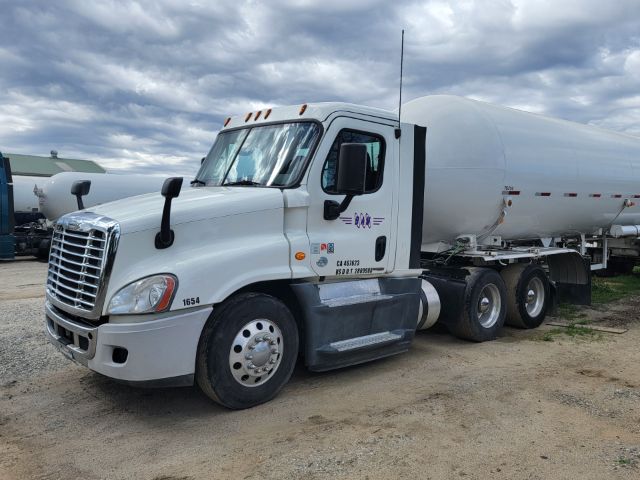
Have used freightliner truck and trailer truck to sell? List it here to reach thousands of buyers.
About Used Freightliner Truck and Trailer Trucks in California
For buyers comparing used Freightliner truck and trailer units, the core decisions usually come down to engine rating, transmission type, axle configuration, and trailer specification. Many Freightliner tractors in this segment use Detroit DD13 or DD15 engines with automated manual transmissions, though older units may have manual gearboxes or alternative engine packages. A buyer should confirm wheelbase, fifth wheel setup, PTO or hydraulic equipment if applicable, and rear axle ratio to make sure the tractor matches the trailer and intended route profile. On the trailer side, key details include overall length, axle spread, suspension type, brake condition, tire age, floor or frame condition, and current inspection status. If the trailer is a tank, lowboy, flatbed, or another specialized type, certification dates and structural condition become even more important.
California adds another layer to the buying decision. Emissions compliance, CARB requirements, registration status, and port or local jurisdiction rules can directly affect where and how a used truck and trailer combination can operate. Buyers should verify VIN and title records for both units, review maintenance history, and inspect DPF, DEF, and aftertreatment components carefully on used Freightliner tractors. For combinations intended for heavy haul, agricultural service, construction support, or tanker work, it also makes sense to check wet kit components, hydraulic lines, trailer hookups, and frame integrity under load-bearing areas. A low purchase price does not offset downtime caused by emissions faults, brake system repairs, or mismatched tractor-trailer specs.
The strongest used Freightliner truck and trailer packages are the ones with a clear service history and a specification that fits the work without immediate reconfiguration. A highway-focused Cascadia paired to the right trailer can be a practical solution for regional freight, while more specialized combinations may suit hauling fuel, equipment, aggregate, or other dedicated loads. Buyers should look beyond engine hours and odometer readings and focus on total operating condition, compliance, and how the tractor and trailer function together as a revenue-producing unit.
Frequently Asked Questions
What should I check first when buying a used Freightliner truck and trailer combination?
Start by confirming that the tractor and trailer are correctly matched for the work. Check the tractor’s engine, transmission, axle ratio, wheelbase, fifth wheel position, and braking system, then compare those specs to the trailer’s weight capacity, axle setup, brake condition, and intended cargo type. Also verify titles, registration, maintenance records, and any compliance documents for both units. A combination that is mechanically sound but poorly spec’d for the application can create operating limits and added expense.
Are used Freightliner Cascadia models a common choice in the truck and trailer category?
Yes. The Freightliner Cascadia is one of the most common used tractors in this category because it is widely used in regional and long-haul operations and has strong parts and service support. Many buyers prefer it for its aerodynamic design, fuel economy, and the availability of Detroit engine and transmission combinations. That broad market presence also makes it easier to find technicians, replacement parts, and comparable units when evaluating price.
How important is California emissions compliance on a used Freightliner truck and trailer?
It is critical. In California, emissions rules can affect registration, operating eligibility, and access to specific freight markets or ports. Buyers should inspect the emissions system carefully, including DPF, DEF, sensors, and aftertreatment components, and confirm the unit meets applicable CARB requirements. A used tractor that needs major emissions repairs can quickly erase any savings from the initial purchase price.
What trailer details matter most when buying a truck and trailer package?
The most important trailer details depend on the trailer type, but buyers should always inspect axle condition, brakes, suspension, tires, frame structure, lighting, and coupling components. For specialized trailers, look at certification dates, lining or floor condition, hydraulic systems, and any signs of prior structural repair. Trailer condition matters just as much as tractor condition because downtime or compliance issues on either unit can sideline the entire combination.
Is it better to buy a used truck and trailer together or separately?
Buying them together can make sense when the combination has already been operating successfully as a matched unit. That can reduce uncertainty around fifth wheel position, trailer compatibility, brake hookups, and overall fit for the application. However, buyers should still inspect each unit independently and compare the combined package price against market value. A package deal only works in your favor if both the tractor and trailer meet your operating needs without major repairs or reconfiguration.