
Tow Trucks For Sale in Maine
Browse tow trucks for sale in Maine, including wreckers and recovery units built for roadside service, vehicle transport, and light-duty towing.
Learn more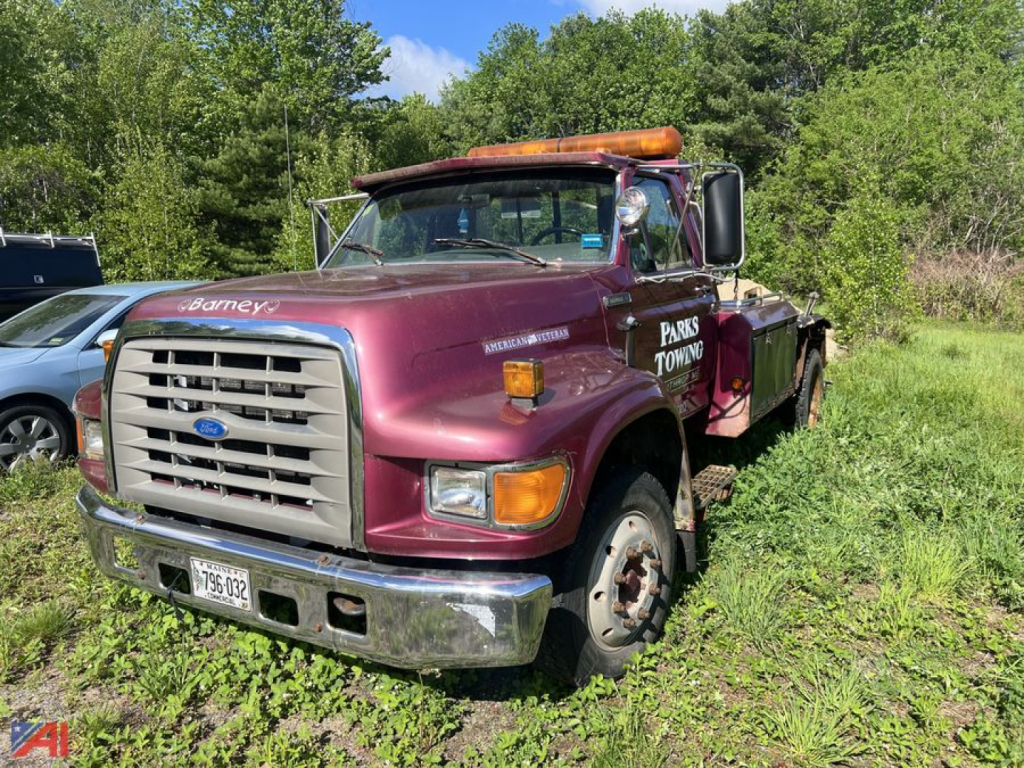
Have tow truck to sell? List it here to reach thousands of buyers.
About Tow Trucks in Maine
The key buying decision is the towing system. A wheel-lift offers fast hookup times and works well for routine passenger vehicle towing. A boom and winch setup adds recovery capability for ditch pulls, disabled vehicles off narrow shoulders, and light accident work. Buyers should compare boom rating, winch capacity, underlift rating, wheel-lift reach, and hydraulic performance, then match those numbers to the type of vehicles they plan to handle most often. On used tow trucks, pay close attention to PTO operation, hydraulic leaks, cable condition, sheaves, controls, and frame reinforcement around the wrecker body. Rust matters in Maine, especially on crossmembers, outriggers, body mounts, toolbox floors, and electrical connections exposed to road salt.
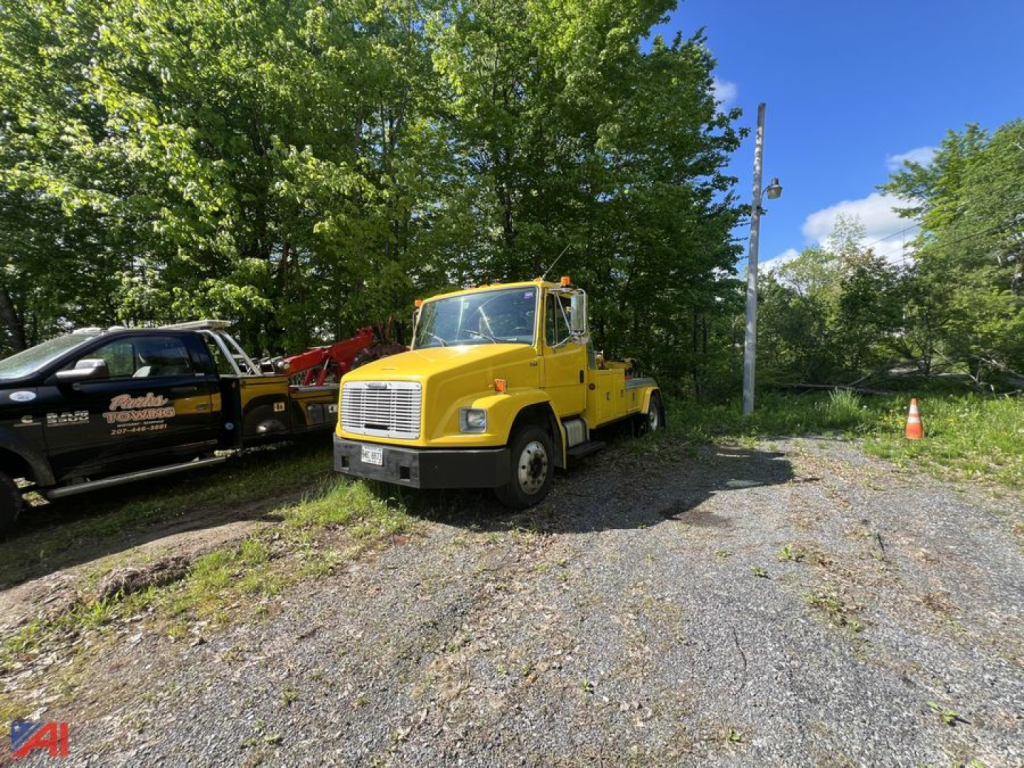
Chassis choice is just as important as the towing gear. Many tow trucks in this category are built on medium-duty platforms from Ford, Freightliner, Chevrolet, GMC, or International, often with diesel engines, automatic transmissions, and rear axle ratios selected for stop-and-go service. Buyers should verify GVWR, brake type, wheelbase, cab condition, and suspension condition, especially if the truck will carry dollies, chains, snatch blocks, and other recovery equipment daily. Practical features such as strobe or LED warning lights, work lighting, tow mirrors, pintle or hitch options, and secure side storage can make a real difference in day-to-day operation. In colder climates, engine block heaters, reliable cab heat, and clean electrical systems are more than convenience items.
A tow truck for sale in Maine should be evaluated for legal capacity, service history, and the kind of work it will actually see. A smaller wrecker can be the right fit for auctions, repair shops, impound work, and local roadside assistance. A heavier unit may be better for commercial accounts, utility fleets, and longer-distance recovery work. Buyers comparing listings should look beyond age alone and focus on body integrity, hydraulic condition, drivetrain health, and whether the truck's wheel-lift and winch ratings match the intended workload. A properly matched tow truck can be a dependable revenue unit for years if the chassis, recovery gear, and corrosion condition are all working in your favor.
Frequently Asked Questions
What is the difference between a tow truck and a wrecker?
The terms are often used interchangeably, but wrecker usually refers to a tow truck equipped with a boom, winch, wheel-lift, or other recovery gear beyond basic vehicle transport. A simple tow truck may be set up mainly for moving disabled vehicles, while a true wrecker is better suited for recovery work such as pulling vehicles from ditches, embankments, or tight accident scenes. Many used units on the market combine both towing and light recovery capability.
What capacity should I look for in a used tow truck?
Capacity depends on the vehicles you plan to tow most often. Light-duty tow trucks are typically intended for passenger cars, crossovers, and pickups, while medium-duty wreckers can handle heavier vans, work trucks, and more demanding recovery tasks. The important numbers are underlift rating, wheel-lift rating, boom rating, and winch capacity. Buyers should match those ratings to real operating needs rather than assuming a heavier chassis automatically means greater safe towing performance.
What should I inspect on a used tow truck in Maine?
Rust and hydraulic condition should be high on the inspection list. Maine road salt can accelerate corrosion on frames, body mounts, tool compartments, electrical connectors, light brackets, and underbody steel. Buyers should also inspect PTO engagement, hydraulic cylinders, hoses, winch cable or synthetic line, pivot points, and the wrecker subframe. A tow truck can look serviceable from a distance but still need expensive repairs if the recovery equipment, wiring, or chassis structure has been neglected.
Is a medium-duty tow truck a good choice for local towing work?
A medium-duty tow truck can be a strong fit for local service if the work includes pickups, vans, municipal units, or small commercial vehicles in addition to standard passenger cars. These trucks often provide better frame strength, durability, and storage capacity than lighter platforms. The tradeoff is higher operating cost, a larger turning radius, and potentially more chassis wear if used heavily in stop-and-go urban towing. For many operators, the right answer comes down to route density, target vehicle mix, and how much recovery work is expected.
Are older wreckers still worth buying?
Older wreckers can still be practical if the chassis is sound and the towing equipment has been maintained properly. Many older Ford and Freightliner medium-duty platforms remain useful for local towing, shop service, and backup fleet duty. The value comes from condition, not just age. A clean older truck with solid hydraulics, a healthy drivetrain, and limited corrosion can outperform a newer unit that has rust, electrical issues, or neglected recovery gear.