
Ford Tow Trucks For Sale in Maine
Browse Ford tow trucks for sale in Maine, including Ford wreckers and recovery trucks with specs, applications, and buyer-focused guidance.
Learn more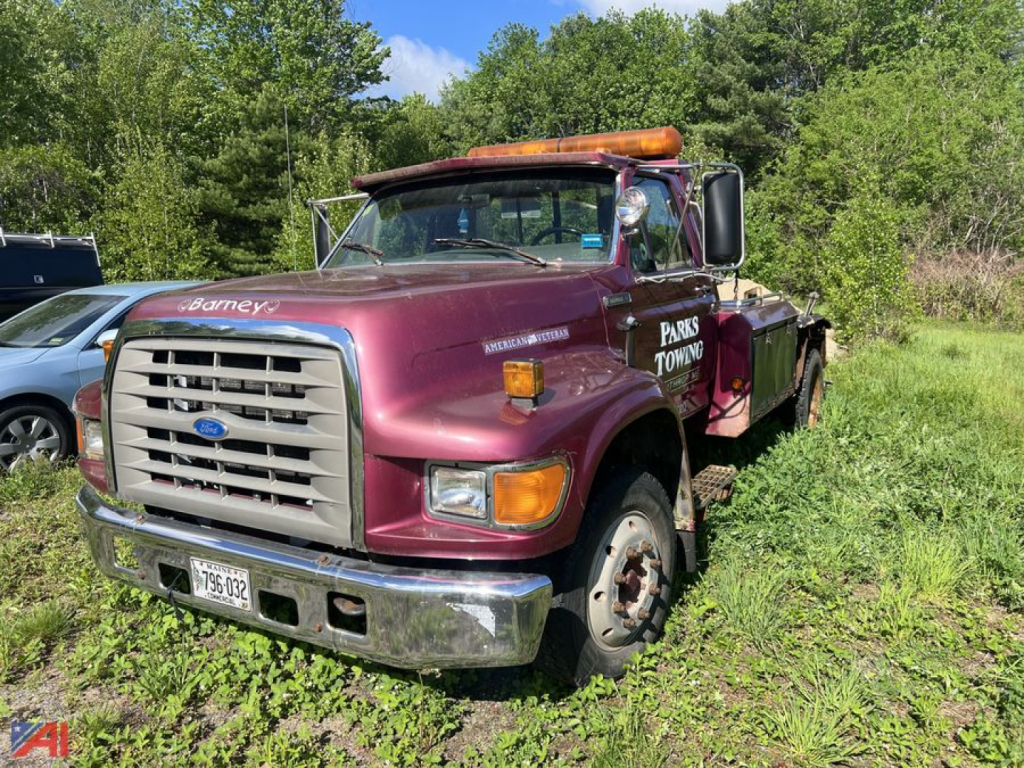
Have ford tow truck to sell? List it here to reach thousands of buyers.
About Ford Tow Trucks in Maine
For Maine buyers, rust, frame condition, and hydraulic performance matter as much as mileage. Older Ford tow trucks are common in municipal and small fleet service because they are straightforward to maintain and often built on durable commercial chassis with readily understood driveline components. On used units, inspect spring hangers, cab mounts, crossmembers, hydraulic cylinders, winch function, and the condition of the wrecker body itself. Recovery equipment can age differently than the truck, so look closely at cable condition, sheaves, controls, outriggers if equipped, and any signs of prior structural repair around the boom base or wheel-lift assembly. If the truck will operate in coastal or winter road salt conditions, corrosion around electrical connections, lighting, brake lines, and bed or body mounts deserves extra attention.
Spec selection should match the work. A lighter Ford tow truck may be ideal for cars, pickups, parking enforcement, and local service calls, especially if maneuverability matters in tighter streets and lots. A medium-duty Ford wrecker with a heavier rear axle, stronger suspension, and larger PTO-driven hydraulic system is better suited for commercial vehicle recovery, utility fleet support, and rural towing routes where longer distances and tougher pull angles are common. Buyers should also verify GVWR, wheelbase, engine type, transmission, rear-end ratio, and whether the truck uses a sling, wheel-lift, integrated underlift, or traditional boom setup. Storage layout, toolbox space, beacon and work-light placement, and brake system type can also affect day-to-day productivity.
Ford tow trucks remain relevant because many fleets value simple mechanical layouts, familiar serviceability, and proven medium-duty chassis design. The best used purchase is usually the truck with the clearest match between chassis capacity and recovery equipment, not just the lowest price or newest paint. Service records, PTO and hydraulic maintenance history, tire condition, and evidence of regular inspection are strong indicators of how a wrecker will perform once it goes back to work.
Frequently Asked Questions
What should I inspect first on a used Ford tow truck?
Start with the frame, hydraulic system, and wrecker body. On a used Ford tow truck, the biggest value drivers are structural condition and working recovery equipment, not cosmetic appearance. Check for frame rust, cracks near body mounting points, leaks at cylinders and hoses, winch operation, PTO engagement, brake line condition, and wear in the wheel-lift or boom assembly. If the truck has worked in winter road salt, corrosion can be a major factor.
Are older Ford F-Series wreckers still practical for commercial use?
Yes, many older Ford F-Series wreckers are still practical if the chassis and towing equipment have been maintained correctly. Models such as the Ford F800 have long been used in municipal and independent towing service because they offer a durable medium-duty platform and relatively straightforward mechanical systems. The key is confirming that the truck's GVWR, axle ratings, hydraulic performance, and body condition still match the type of work you plan to do.
What is the difference between a wrecker, a tow truck, and a recovery truck?
These terms often overlap, but they can imply different setups. A tow truck is the broad category. A wrecker usually refers to a truck with boom and winch equipment for pulling or recovery work. A recovery truck may refer to a more specialized unit designed for accident recovery, vehicle extraction, or heavier-duty jobs. In listings, the exact body style matters more than the label, so buyers should verify whether the truck has a wheel-lift, underlift, boom, sling, or carrier-style configuration.
Which Ford tow truck setup is best for light-duty versus medium-duty towing?
For light-duty towing, a Ford tow truck with a compact wheel-lift setup is typically best for cars, SUVs, pickups, and impound or roadside work. For medium-duty towing, buyers should look for a heavier Ford chassis with stronger rear axle ratings, more robust suspension, and recovery equipment designed for larger vans, box trucks, and commercial fleet vehicles. Matching the underlift or boom capacity to the heaviest routine load is more important than choosing by truck size alone.
Why does chassis class matter so much on a Ford tow truck?
Chassis class determines how much weight the truck can safely carry and control, especially once towing equipment, tools, and the towed vehicle are added. A Ford tow truck with the wrong chassis rating can be overloaded even if the wrecker body appears capable. GVWR, front and rear axle ratings, brake system design, wheelbase, and suspension all affect stability, braking, and legal operating limits. Buyers should evaluate the whole truck as a combined chassis-and-body package.