
Freightliner Tow Trucks For Sale in Maine
Browse Freightliner tow trucks for sale in Maine. Compare wrecker specs, GVWR, wheelbase, boom capacity, and PTO setup for recovery work.
Learn more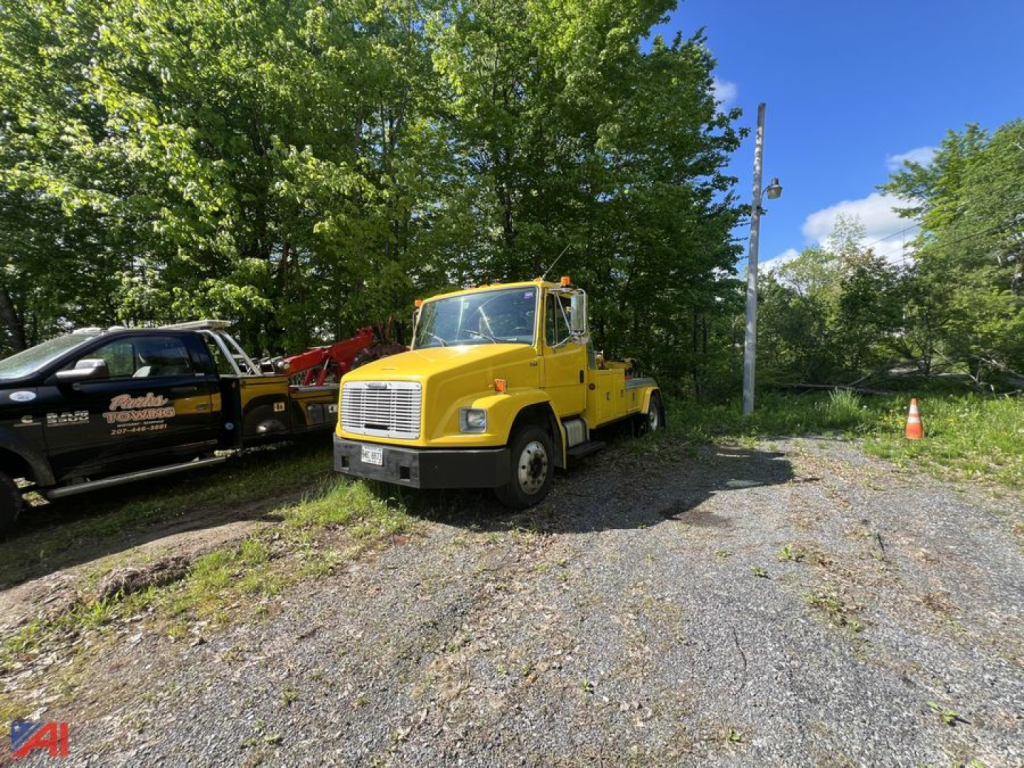
Have freightliner tow truck to sell? List it here to reach thousands of buyers.
About Freightliner Tow Trucks in Maine
On a Freightliner tow truck, pay close attention to GVWR, rear axle capacity, suspension type, and brake configuration. A shorter wheelbase can improve maneuverability in tight streets, parking lots, and residential recovery work, while a longer wheelbase may offer better stability with certain boom and wheel-lift combinations. Engine and transmission pairing matters as much as the body. Many older Freightliner wreckers were spec'd with durable diesel engines and automatic or manual transmissions that are still attractive to small fleets and owner-operators, especially when the truck is intended for local routes rather than heavy rotator work. PTO operation, hydraulic condition, frame integrity, and evidence of upfitting quality are more important than cosmetic appearance on many used tow trucks.
For Maine operators, corrosion is a major buying factor. Salt exposure can affect the cab, frame, crossmembers, hydraulic lines, bed mounts, tool compartments, wheel-lift structure, and electrical connections. A Freightliner wrecker that looks acceptable at first glance can still have costly rust issues around spring hangers, outriggers, body mounts, or recovery equipment pivot points. Cold-weather reliability also matters. Buyers should check battery capacity, block heater presence, air system performance in winter conditions, and the condition of lighting, winch controls, and hydraulic seals. If the truck will be used for police rotation, highway clearing, or winter roadside assistance, visibility equipment, beacon setup, and overall control layout deserve close review.
Freightliner tow trucks can fit several roles, from light-duty car recovery to medium-duty commercial towing, depending on chassis spec and body brand. Also known simply as wreckers, these trucks are often evaluated by boom rating, winch capacity, wheel-lift rating, underlift reach, storage layout, and cab access. A buyer comparing listings should think beyond make and model and match the truck to the actual call mix. A local impound and breakdown truck needs different geometry and storage than a unit used for municipal fleet support or small box truck recovery. The best Freightliner tow truck is the one with the right chassis capacity, clean hydraulic and electrical systems, and a recovery body matched to the work it will do every day.
Frequently Asked Questions
What should I check first on a used Freightliner tow truck?
Start with the chassis ratings and the recovery equipment condition. Confirm GVWR, front and rear axle ratings, wheelbase, PTO setup, and brake system, then inspect the boom, winches, wheel-lift, hydraulic cylinders, hoses, and frame. On a used wrecker, structural condition and hydraulic performance usually matter more than paint or interior wear. Service records for both the Freightliner chassis and the tow body add real value because they help verify maintenance history and prior use.
Are Freightliner tow trucks good for light-duty and medium-duty recovery?
Yes, Freightliner chassis are commonly used for light-duty and medium-duty tow applications because they offer broad body compatibility, familiar serviceability, and practical cab and frame layouts. The exact capability depends on the chassis class, axle ratings, suspension, and the installed wrecker body. A smaller FL50-style setup is suited to cars, pickups, and local roadside calls, while heavier Freightliner configurations can support more demanding commercial recovery work within their rated limits.
Why does wheelbase matter on a Freightliner wrecker?
Wheelbase affects maneuverability, weight distribution, ride stability, and how the tow body performs under load. A shorter wheelbase is often preferred for urban towing, apartment complexes, and tight recovery scenes because the truck turns easier. A longer wheelbase can improve stability and body fitment for certain boom and underlift designs, but it may be less agile in confined areas. The right choice depends on the type of vehicles being towed and the operating environment.
What are the main rust concerns on tow trucks in Maine?
In Maine, buyers should inspect the frame rails, crossmembers, spring hangers, cab mounts, brake and fuel lines, electrical connectors, hydraulic lines, body mounts, tool compartments, and the recovery body itself for corrosion. Salt and winter road treatment can also damage wheel-lift assemblies, boom pivots, outrigger structures, and lighting circuits. Surface rust is common, but scaling, perforation, seized hardware, and rust around structural mounting points can turn a working truck into an expensive repair project.
How do I match a Freightliner tow truck to my type of towing work?
Match the truck to the vehicles you handle most often, not the occasional outlier. For passenger cars, impounds, and local breakdown calls, a lighter medium-duty Freightliner with the right wheel-lift and storage setup may be the most efficient choice. For commercial vans, utility trucks, and small straight trucks, focus on higher rear axle capacity, stronger suspension, and a wrecker body with adequate boom and winch ratings. Daily route density, winter conditions, driver experience, and shop support should all factor into the decision.