
New Kenworth Tow Trucks For Sale
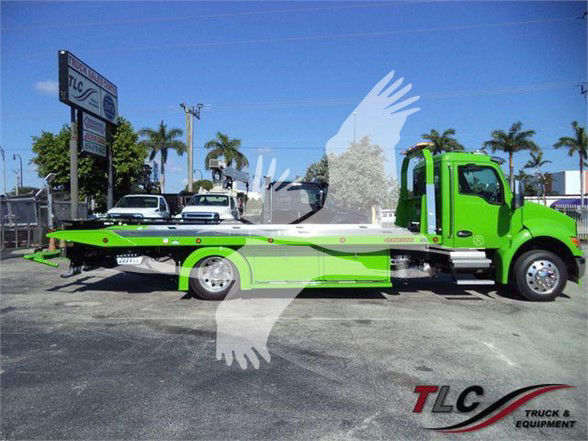
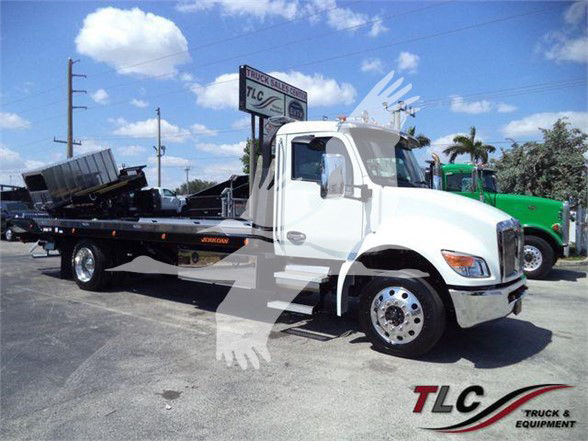
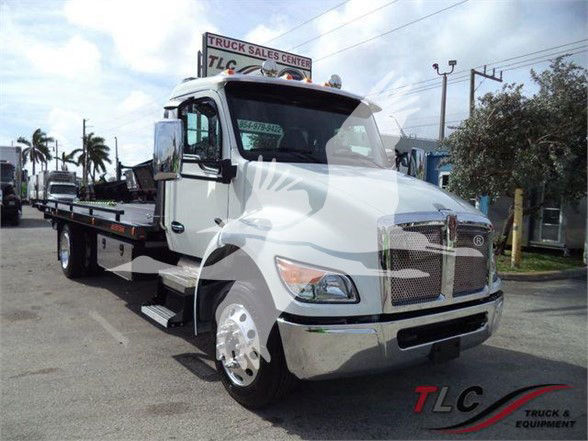
Shop new Kenworth tow trucks including rollback carriers and wreckers with Cummins power, air ride, wheel lifts, and Jerr-Dan bodies.
Learn more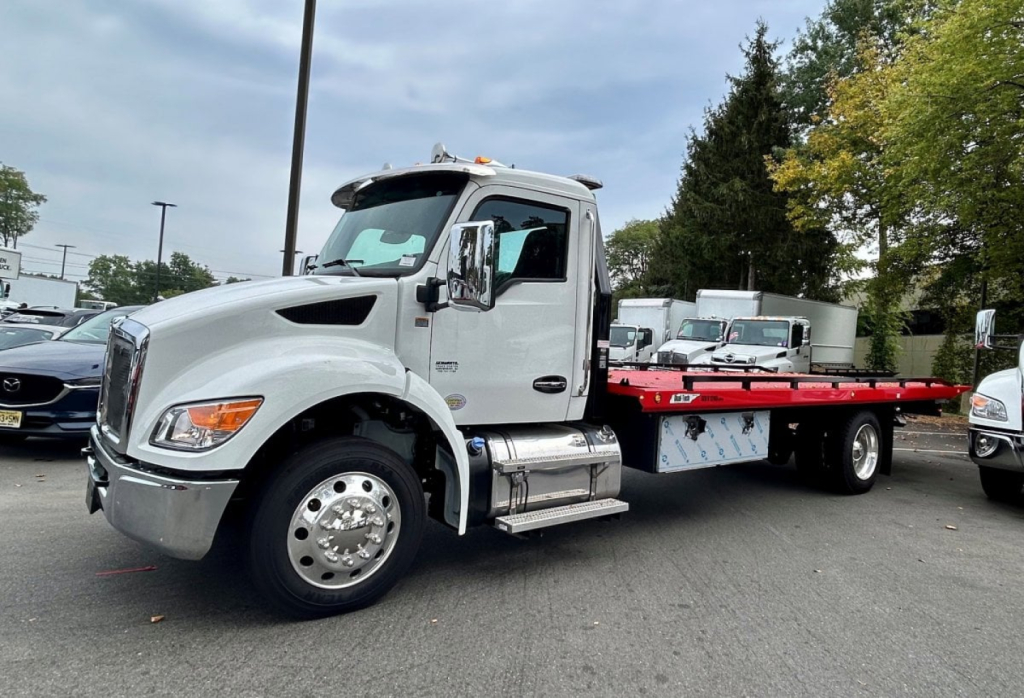
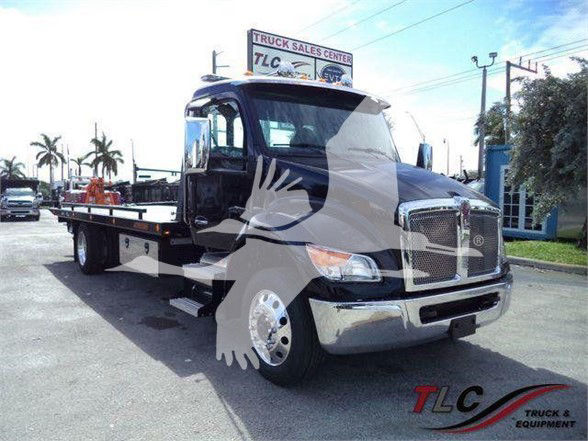
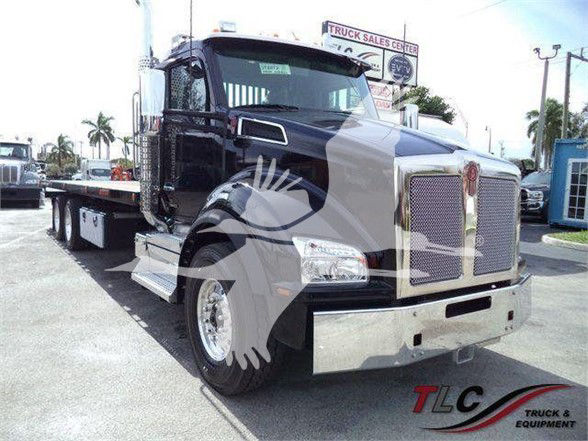
Showing 13 to 22 of 22 results
Have new kenworth tow truck to sell? List it here to reach thousands of buyers.
About New Kenworth Tow Trucks
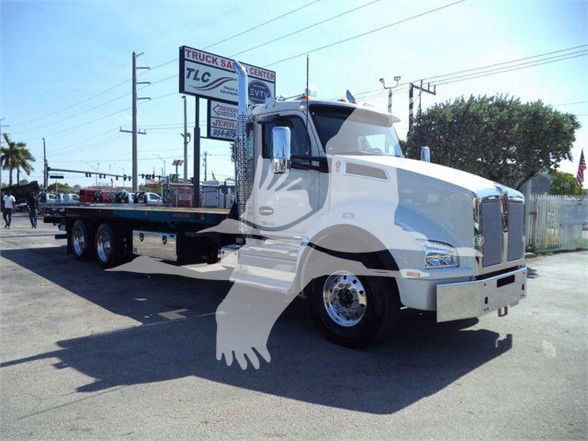
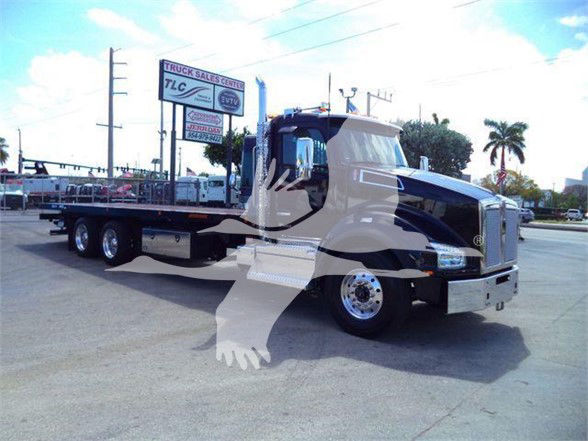
A buyer should start with body style and duty class. Many new Kenworth tow trucks in this segment are equipped with Jerr-Dan 22-foot XLP or LCG rollback bodies rated around 6 tons, often with 3,500-lb wheel lifts and 8,000-lb winches. Those specs cover a wide range of passenger vehicles, light trucks, and lower-clearance cars. Low-profile decks, dual-angle or shark-style approaches, removable rails, and wireless controls can make a noticeable difference in loading performance, especially with damaged vehicles, lowered cars, or tight urban recovery jobs. Tool box layout, side baskets, light packages, and headboard design also matter because they directly affect daily usability and operator efficiency.
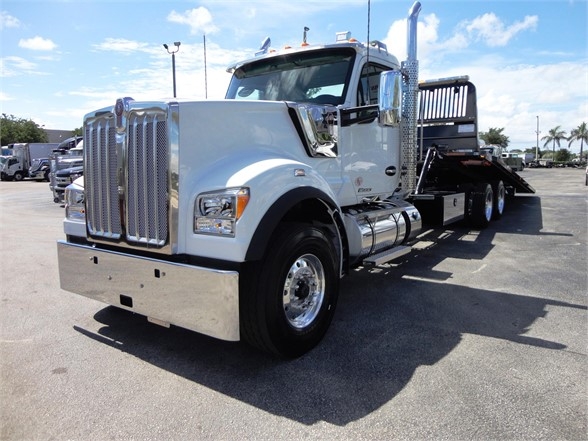
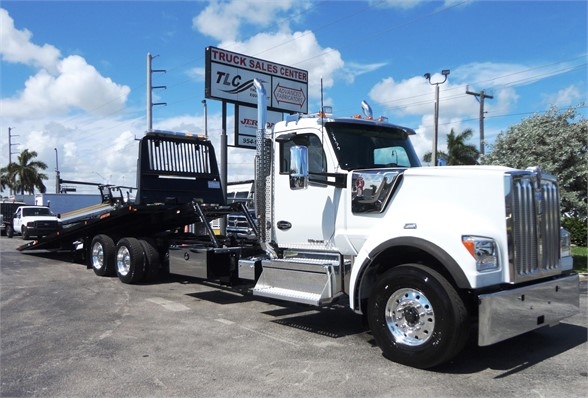
For heavier hauling and equipment transport, some new Kenworth tow trucks move up to the T880 platform with industrial transporter rollback bodies. These trucks typically bring much higher GVWR, more horsepower, tandem rear axle capacity, and larger winches for machinery, medium-duty truck recovery, and specialized transport work. A 28-foot deck, pintle hitch, rear stabilizer, and air connections can expand the truck's role beyond standard towing into equipment moving and contractor support. If your work includes skid steers, forklifts, scissor lifts, or heavier commercial units, the chassis class, front axle rating, rear axle rating, and deck construction should be reviewed closely before focusing on appearance or accessory packages.
Kenworth tow trucks also appeal to buyers who value driver environment and long-term serviceability. Features commonly seen in this class include heated power mirrors, aluminum fuel tanks, air ride seats, low-pro 22.5 tires, differential lock, backup cameras, and upgraded LED warning systems. For a buyer comparing listings, the real differences are usually in body spec, wheel-lift configuration, remote functions, storage capacity, and how the truck is trimmed for the intended route mix. A city-focused rollback has different priorities than a highway-based carrier or an industrial transporter. Matching deck length, wheel-lift capacity, winch rating, and chassis GVWR to the actual jobs on your schedule is the key step in choosing the right new Kenworth tow truck.
Frequently Asked Questions
What is the most common configuration for a new Kenworth tow truck?
The most common configuration is a Kenworth T280 chassis with a 22-foot rollback or carrier body, usually built with a low-profile steel deck, a 3,500-lb wheel lift, and an 8,000-lb winch. These trucks are typically powered by a Cummins diesel engine and Allison automatic transmission with air brakes and air ride suspension. That setup is widely used for passenger vehicles, light trucks, repossession work, dealer transfers, and accident recovery.
What is the difference between a rollback carrier and a wrecker-style tow truck?
A rollback carrier, also called a car carrier or flatbed tow truck, loads the vehicle fully onto a tilting and sliding deck. This reduces wear on the towed vehicle and is preferred for all-wheel-drive vehicles, damaged units, lower-clearance cars, and longer transports. A wrecker-style truck relies more on boom and wheel-lift towing, which can be faster for certain recoveries but is a different tool for a different job. Many light-duty rollback units also include a wheel lift, giving operators added flexibility.
How much capacity should I look for in a new Kenworth rollback tow truck?
Capacity depends on the type of vehicles or equipment you move most often. In light-duty applications, a 6-ton carrier body with a 3,500-lb wheel lift and 8,000-lb winch handles most cars, SUVs, and many pickups. If the truck will transport heavier commercial units or equipment, a larger chassis such as a Kenworth T880 with a longer deck, higher GVWR, and a stronger winch may be the better fit. Buyers should compare body rating, wheel-lift rating, winch capacity, and chassis axle ratings together rather than relying on a single published number.
Why do deck design features like low-profile, dual-angle, or shark body matter?
Deck design directly affects loading angle, ground clearance, and how easily the truck can pick up damaged or low vehicles. Low-profile and dual-angle designs reduce approach angle and help prevent scraping on sports cars, electric vehicles, and units with front-end damage. These features also improve loading in uneven lots, steep driveways, and urban recovery conditions. For operators handling a broad mix of passenger vehicles, deck geometry can be just as important as winch size.
What should I compare when looking at new Kenworth tow truck listings?
The biggest variables are chassis model, GVWR, engine horsepower, transmission, deck length, deck rating, wheel-lift capacity, winch size, and storage layout. Buyers should also check for wireless remotes, backup cameras, differential lock, light bar and strobe packages, toolbox dimensions, and rail style. On heavier trucks, front axle and rear axle ratings, hitch equipment, and stabilizer setup become especially important. These details determine how the truck performs in real service, not just how it looks on paper.