
New Kenworth Tow Trucks For Sale in Florida
Shop new Kenworth tow trucks in Florida, including rollback carriers and heavy-duty wreckers with Jerr-Dan bodies and Cummins power.
Learn more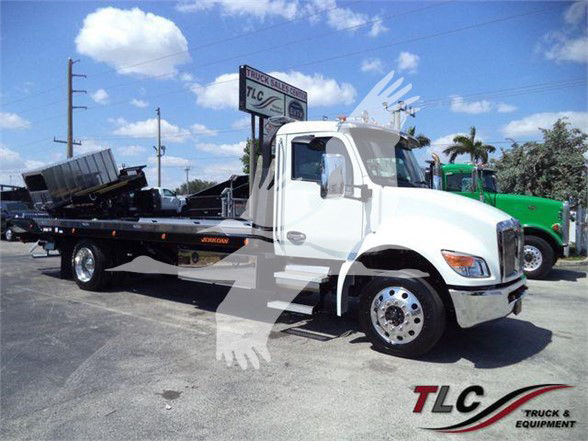
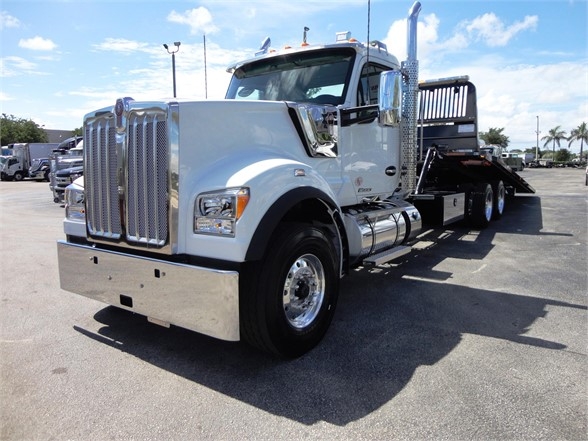
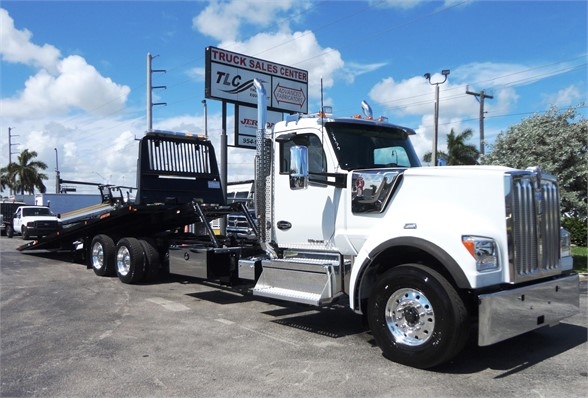
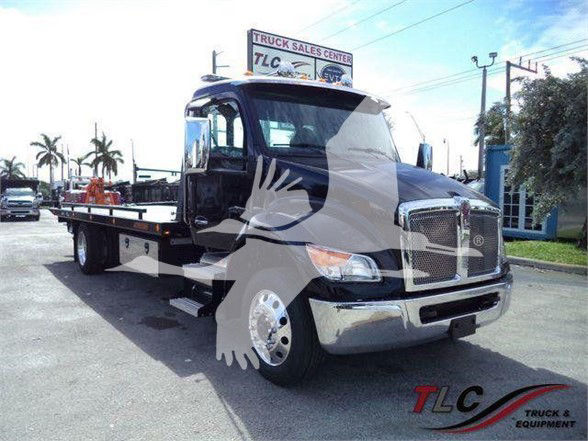
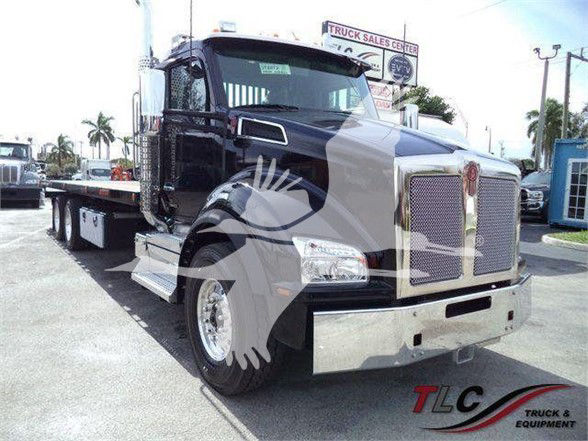
Showing 13 to 20 of 20 results
Have new kenworth tow truck to sell? List it here to reach thousands of buyers.
About New Kenworth Tow Trucks in Florida
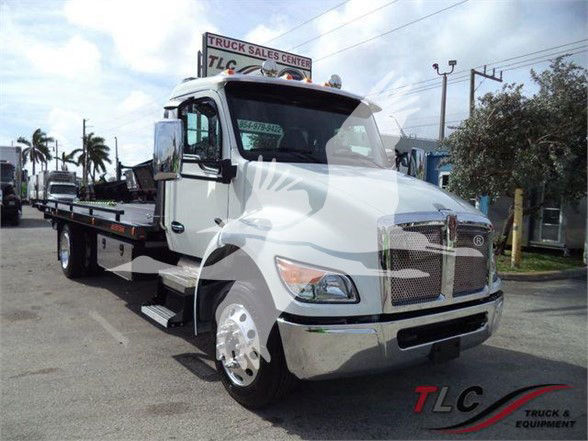
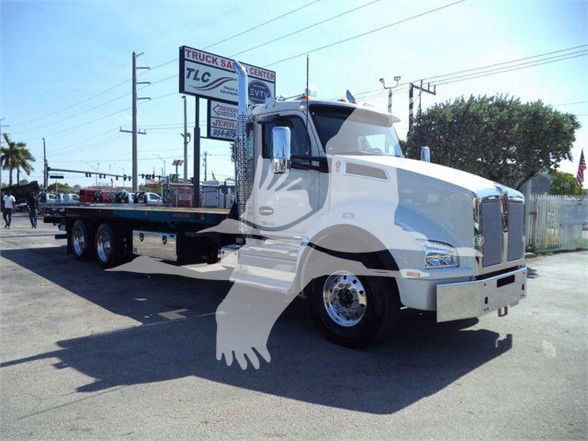
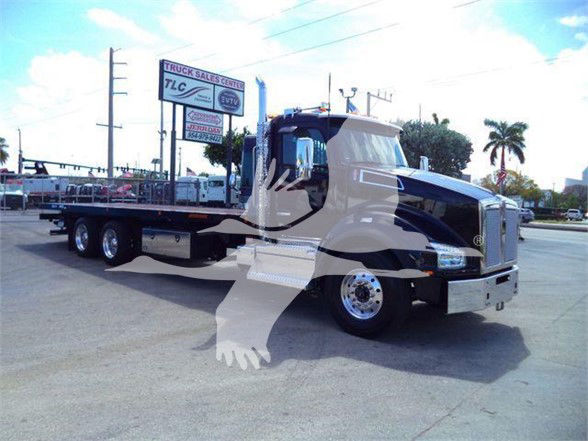
A lot of the buying decision comes down to body style and deck specification. Many new Kenworth tow trucks are equipped with Jerr-Dan rollback or carrier bodies in 22-foot to 28-foot lengths, often 101 to 102 inches wide. Low-profile XLP or LCG decks help with loading lowered cars, SUVs, and light trucks by improving load angle, while dual-angle or shark-style decks can make loading easier in tight recovery situations. Common towing specs in this segment include 6-ton carrier ratings, 3,500-pound wheel lifts, 8,000-pound to 20,000-pound winches, removable rails, toolboxes, wireless remotes, work lights, and LED warning packages. On heavier industrial transporters, buyers should pay close attention to deck construction, winch rating, pintle setup, rear stabilizers, stake pockets, and rub rails if the truck will also handle equipment and machinery.
On the chassis side, Kenworth tow trucks are often spec'd with Cummins diesel engines in the 300 HP range for medium-duty carriers and 450 HP-plus ratings for heavy-duty tandem units. Allison automatic transmissions are common because they suit stop-and-go recovery work and reduce driver fatigue. Air brakes, air ride suspension, locking differentials, low-profile 22.5-inch tires, aluminum wheels, and heated power mirrors are all common spec points that affect day-to-day performance. Cab layout also matters more than many first-time buyers expect. Recovery work means long idle time, frequent ingress and egress, and a need for clean switch placement, good sightlines, and dependable backup camera integration.
Buyers comparing new Kenworth wreckers, rollback tow trucks, and car carrier flatbeds should look beyond headline capacity. Check the actual wheelbase, rear axle ratio, front axle capacity, body overhang, and bed height, because those details affect maneuverability, bridge law compliance, and loading angles. In Florida, corrosion exposure is different from northern salt-belt markets, but heat, humidity, and long service hours still put value on stainless trim, sealed lighting, durable hydraulic components, and easy-access service points. A properly spec'd Kenworth tow truck can cover local recovery, repossession, auction runs, dealership transfer, and equipment transport with a chassis and body combination matched to the work.
Frequently Asked Questions
What is the difference between a Kenworth rollback tow truck and a wrecker?
A Kenworth rollback tow truck uses a hydraulic tilting bed, also called a carrier or car carrier, to load the entire vehicle onto the deck. A wrecker typically tows a vehicle behind the truck using a wheel lift or underlift. Many trucks in this category blur the line because rollback carriers often include a wheel lift for added towing flexibility, but the primary distinction is full-deck transport versus lift-and-tow recovery.
What GVWR is typical for a new Kenworth tow truck?
Medium-duty Kenworth tow trucks commonly fall around 26,000 GVWR, especially on rollback carrier applications built for passenger vehicles, light trucks, and local recovery work. Heavy-duty industrial rollback and tandem-axle transporter setups can reach around 60,000 GVWR or more, depending on axle ratings and body configuration. The right GVWR depends on the weight of the vehicles or equipment being moved, not just the advertised deck rating.
Why are low-profile or XLP decks important on rollback tow trucks?
Low-profile decks reduce the loading angle, which helps when loading low-clearance cars, damaged vehicles, and longer-wheelbase units. That matters in repossession, dealer transfer, and accident recovery where steep approach angles can cause contact at the bumper, fascia, or undercarriage. A lower deck height can also improve ease of use for the operator and speed up loading in tight roadside conditions.
What should buyers look for in a heavy-duty Kenworth transporter rollback?
On a heavy-duty Kenworth transporter rollback, key items include deck length and width, wood or steel deck construction, winch capacity, rear stabilizer design, pintle and towing connections, axle ratings, and overall wheelbase. Buyers should also verify front and rear axle capacities, suspension type, and whether the truck is intended primarily for recovery, equipment hauling, or mixed use. Those details determine how well the truck handles skid steers, forklifts, work trucks, and other heavier loads.
Are Allison automatic transmissions common in Kenworth tow trucks?
Yes. Allison automatics are widely used in Kenworth tow truck applications because they perform well in constant stop-and-go duty, backing maneuvers, and urban recovery work. They also simplify operation for a wider driver pool and pair well with PTO and hydraulic body functions. For many fleets, the transmission choice is as much about uptime and driver efficiency as it is about raw performance.