
Sweeper Trucks For Sale in Maine
Compare sweeper trucks for sale in Maine. Learn key broom, vacuum, hopper, chassis, and corrosion factors before you buy.
Learn moreBrowse Sweeper Trucks by Make
Have sweeper truck to sell? List it here to reach thousands of buyers.
About Sweeper Trucks in Maine
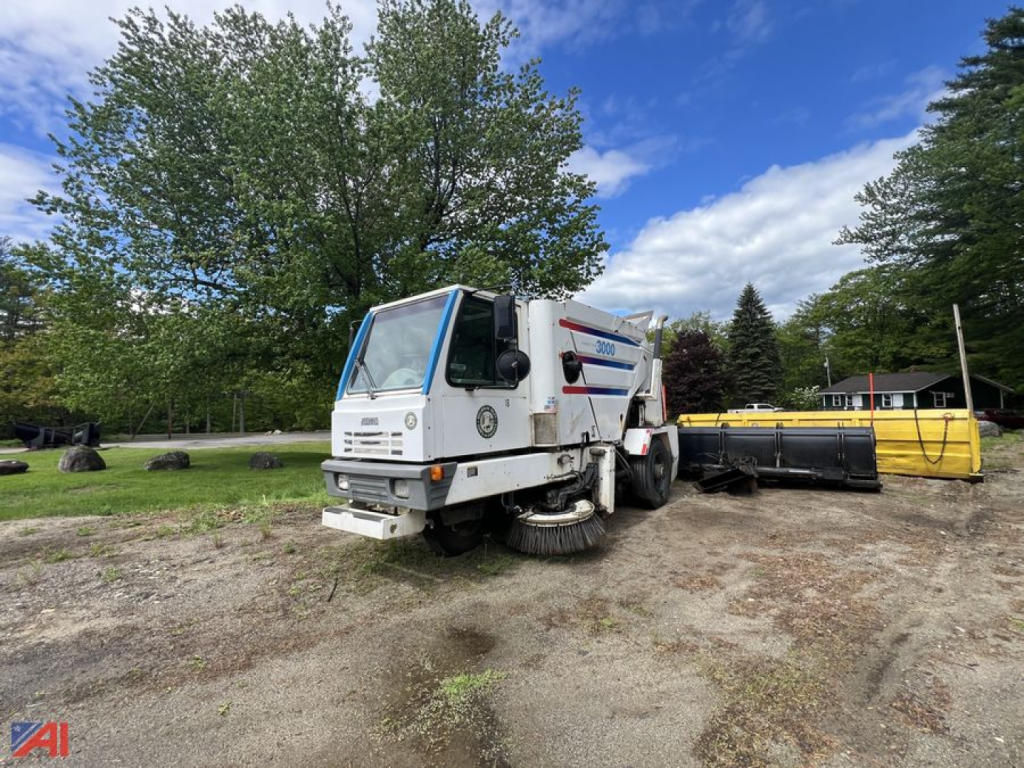
The big decisions start with pickup system, hopper capacity, and water system performance. A sweeper truck with gutter brooms and a strong pickup head is better suited for curb lines and intersections where sand and aggregate collect. Hopper size affects route efficiency, especially for towns or contractors covering long loops before dumping. Water tank capacity and spray bar condition matter because dust suppression is critical on dry pavement and during seasonal cleanup. Buyers should also look closely at broom wear patterns, conveyor or elevator condition on mechanical units, suction tube wear on vacuum models, and the overall state of the hydraulic system. Common sweepers ride on purpose-built chassis or commercial truck chassis, so axle ratings, turning radius, and service access can vary quite a bit from one unit to another.
For used sweeper trucks in Maine, corrosion is a major buying factor. Salt exposure, winter road chemicals, and coastal conditions can shorten the life of hoppers, subframes, hydraulic lines, and electrical connections. Inspect the hopper floor, gutter broom mounts, pickup head, fan housing, water lines, and frame rails for rust, patch repairs, or cracking. Engine hours and auxiliary engine hours both matter on older sweepers, since many units accumulate broom and vacuum system wear that does not always show on chassis mileage alone. It also pays to review fan condition, nozzle wear, spray system function, and the condition of scuff liners, curtains, and seals, since these are the wear items that affect pickup quality and dust control.
A good sweeper truck match depends on route type and debris stream. Municipal buyers often prioritize durability, curb performance, and easy parts support for seasonal cleanup. Contractors may focus more on productivity, hopper payload, and transport speed between jobs. Parking lot and property maintenance operators usually want compact dimensions, strong maneuverability, and clean pickup around islands and tight corners. Across the category, the best value comes from a machine with a solid hopper and hydraulic structure, predictable broom and fan wear, and a chassis that local technicians can service without difficulty.
Frequently Asked Questions
What is the difference between a mechanical broom sweeper and a vacuum or regenerative air sweeper?
A mechanical broom sweeper uses rotating gutter brooms and a main broom or conveyor system to move debris into the hopper, making it a strong choice for heavier material such as sand, gravel, and millings. A vacuum sweeper relies on suction to lift debris, which can deliver cleaner pickup on finer material but may wear differently at the pickup head and suction components. A regenerative air sweeper uses a blast of air to dislodge debris and recirculate it into the hopper, often offering good dust control and a refined surface finish. The right choice depends on the material being collected, the amount of fine dust involved, and how rough the operating environment is.
What should I inspect first on a used sweeper truck in Maine?
Start with corrosion-prone areas and core wear components. Check the hopper floor, pickup head, broom assemblies, subframe, hydraulic lines, water system plumbing, and electrical harnesses for rust, leaks, or repairs. On mechanical units, inspect the conveyor or elevator system for wear and alignment. On vacuum or air sweepers, inspect the fan housing, impeller condition, suction path, and seals. Also compare chassis miles to engine hours and auxiliary system hours, because sweeper functions can accumulate substantial wear even when road mileage is moderate.
How important are hopper size and water tank capacity on a sweeper truck?
Both directly affect productivity. A larger hopper reduces dump frequency on long municipal routes or contractor work with heavy debris loads. Water tank capacity matters for dust suppression, especially during dry spring cleanup, road shoulder sweeping, and construction applications. If the tank is too small for the route, the operator may lose time stopping to refill, and dust control performance can fall off before the job is complete. The best setup balances payload, route length, and the type of debris being swept.
Are sweeper trucks suitable for winter and spring municipal work in Maine?
Yes, sweeper trucks are commonly used for spring recovery after winter sanding and for routine municipal cleanup throughout the year. Maine fleets often use them to remove accumulated sand, salt residue, leaves, and roadside debris from curbs, intersections, and parking areas. The key is choosing a unit with enough broom strength, hopper capacity, and water system performance for heavy seasonal cleanup, while also paying close attention to corrosion resistance and cold-weather serviceability.
Do sweeper trucks use a standard truck chassis or a dedicated sweeper chassis?
Both configurations exist. Some sweeper trucks are mounted on commercial truck chassis, which can simplify parts sourcing and service if local shops already support that platform. Others use purpose-built sweeper chassis designed around visibility, maneuverability, and sweeper system integration. A buyer should compare axle ratings, cab layout, service access, turning radius, and local parts support. The best chassis choice is the one that fits the route, the operator, and the available maintenance network.