
Johnston Sweeper Trucks For Sale in Maine
Browse Johnston sweeper trucks for sale in Maine. Compare compact street sweepers, vacuum systems, hopper capacity, and municipal cleaning specs.
Learn more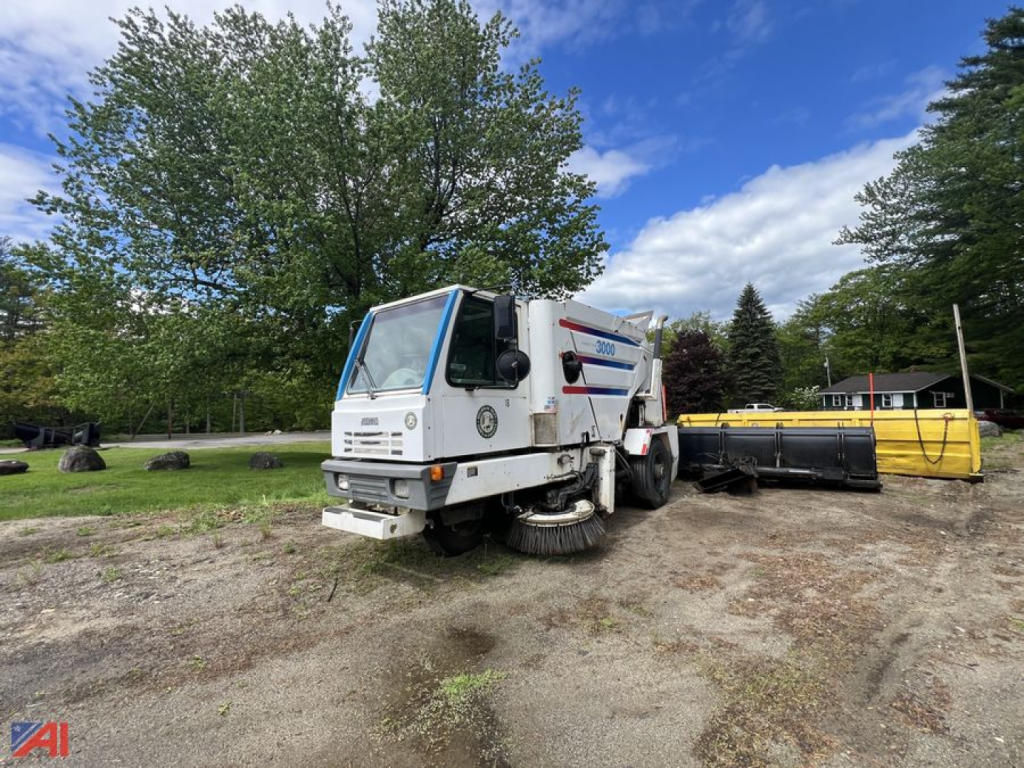
Have johnston sweeper truck to sell? List it here to reach thousands of buyers.
About Johnston Sweeper Trucks in Maine
A buyer comparing Johnston sweeper trucks should pay close attention to pickup head condition, broom wear, hopper integrity, suction performance, water spray function, and the overall state of the hydraulic system. On used units, it is important to inspect fan housing, hose routing, nozzle wear, conveyor or suction path condition, and signs of corrosion in the hopper and chassis components. Sweeper hours can matter as much as mileage, especially on municipal units that spend long periods operating at low speed with PTO-driven systems engaged. Engine accessibility, parts support, and the condition of the auxiliary engine or hydraulic drive setup can also affect long-term operating cost.
Johnston sweepers are often selected for city streets, curbs, parking areas, campuses, and public works applications where dust control and curb line pickup are priorities. Common features in this class include dual gutter brooms, rear-mounted suction systems, water tanks for dust suppression, stainless or treated steel hopper construction, and operator controls designed for stop-and-go route work. Some buyers also look for cab visibility, tight turning radius, and simple daily service points because these trucks are frequently used in dense neighborhoods, downtown areas, and municipal maintenance yards.
For Maine buyers, rust exposure and cold-weather operating history deserve extra scrutiny. Road salt, freeze-thaw cycles, and seasonal storage conditions can accelerate wear on body mounts, hydraulic fittings, electrical connectors, and subframe components. A well-maintained Johnston sweeper can still be a practical choice for municipal street departments, paving support crews, and property maintenance operations, but the best value usually comes from matching hopper size, sweep path, and service access to the route type rather than buying strictly by age or price.
Frequently Asked Questions
What should I inspect first on a used Johnston sweeper truck?
Start with the sweeping system, not just the cab and engine. Check the pickup head, gutter brooms, suction or conveyor path, hopper floor, water system, and hydraulic components for wear, leaks, corrosion, and damage. On a sweeper truck, these working systems often determine the true cost of ownership because repairs to fans, pumps, hoses, spray bars, and hopper structures can add up quickly.
Are Johnston sweeper trucks a good fit for municipal work in Maine?
Yes, Johnston sweepers are well suited for municipal street and public works use, especially where routes include curbs, intersections, parking lanes, and seasonal debris cleanup. In Maine, they are commonly evaluated for spring sand recovery, leaf season performance, and resistance to corrosion from road salt. Buyers should place extra emphasis on underbody condition, hopper corrosion, electrical reliability, and cold-weather service history.
Is mileage or operating hours more important on a sweeper truck?
Operating hours are often just as important as mileage, and in many cases more important. Sweeper trucks spend much of their life moving slowly while the broom, vacuum, water, and hydraulic systems are actively working. A unit with moderate road mileage but high sweeper hours may show more wear in the auxiliary systems than a truck that traveled farther between jobs.
What features matter most when comparing Johnston sweeper models?
The most important features usually include hopper capacity, broom configuration, water tank size, suction performance, turning radius, and ease of service access. Buyers should also compare visibility from the cab, control layout, and how easily wear items can be replaced. For municipal and contractor fleets, a sweeper that fits the route and can be maintained efficiently is usually more valuable than one with extra capacity that is harder to maneuver or service.