
Johnston Sweeper Trucks For Sale
Browse Johnston sweeper trucks for sale, including compact municipal sweepers built for street cleaning, debris control, and urban maintenance work.
Learn more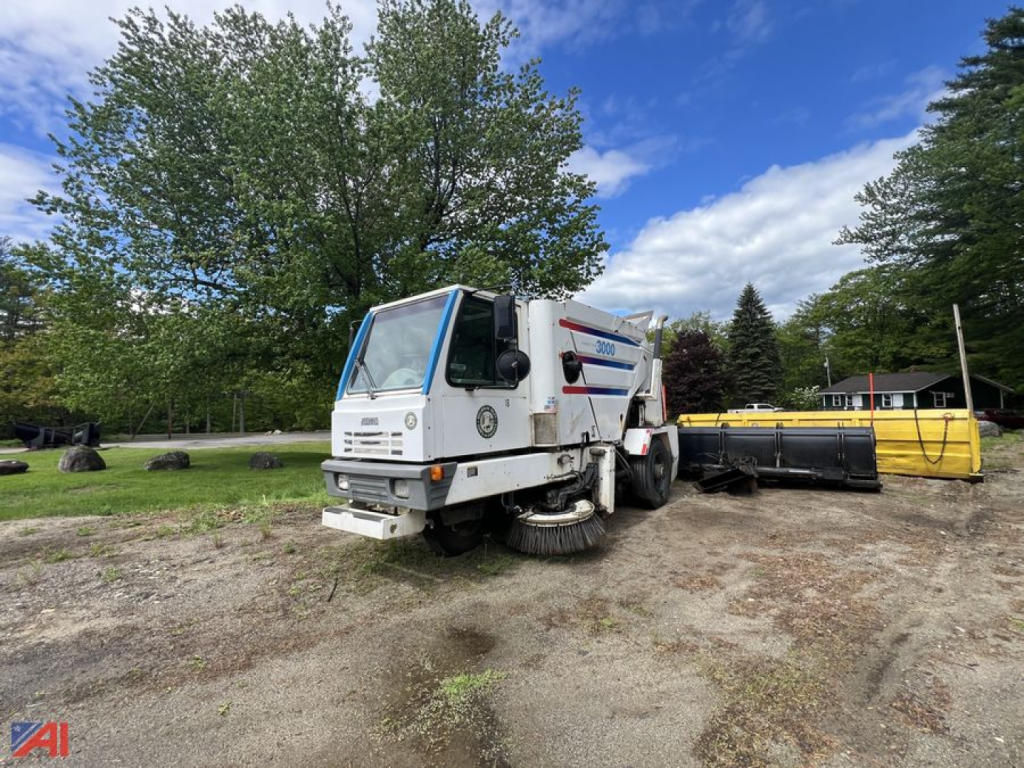
Have johnston sweeper truck to sell? List it here to reach thousands of buyers.
About Johnston Sweeper Trucks
A Johnston sweeper, sometimes referred to simply as a street sweeper or municipal sweeper truck, is typically built around a chassis and body package engineered for frequent stop-and-go operation. Common features include dual gutter brooms, a suction nozzle or pickup head, water spray bars for dust suppression, hydraulic controls, and a debris hopper with dump capability. On older units, buyers should pay close attention to blower condition, broom motor leaks, worn pickup heads, rust in the hopper, and the operation of the water pump and spray system. These machines often work in corrosive conditions with dirt, moisture, and road salt, so structural condition matters as much as cosmetic appearance.
The right Johnston sweeper depends heavily on route type and cleaning expectations. Compact models are well suited for downtown streets, curbs, cul-de-sacs, and other confined areas where turning radius and visibility matter. Larger or higher-capacity configurations make more sense for longer municipal routes or contractor work where dump cycles need to be minimized. Productivity is influenced by broom wear, suction efficiency, water tank capacity, dump height, and ease of daily service. A buyer comparing used Johnston sweepers should also confirm parts support, filter and hose availability, tire size, brake condition, and access to technicians familiar with municipal sweeping equipment.
For most buyers, the best-value Johnston sweeper is not simply the lowest-hour machine. Service records, evidence of routine broom and hydraulic maintenance, and signs of clean hopper and fan system upkeep often tell you more about remaining life than age alone. It is also smart to verify cab condition, instrument operation, lighting, backup camera or warning systems if equipped, and the PTO or auxiliary drive setup that powers the sweeping package. A well-maintained Johnston sweeper truck can be a practical choice for municipalities, campuses, airports, and private contractors that need reliable curb line cleaning and debris collection.
Frequently Asked Questions
What are Johnston sweeper trucks commonly used for?
Johnston sweeper trucks are commonly used for municipal street cleaning, parking lot sweeping, industrial site cleanup, airport support work, and general debris collection along curbs and road edges. Their compact design makes them especially effective in urban areas where maneuverability, visibility, and frequent stop-and-go operation are part of the job. Many buyers choose them for dust suppression and litter pickup in places where a standard truck-mounted broom setup would be less efficient.
What should I inspect first on a used Johnston sweeper?
Start with the high-wear sweeping components and the systems that are expensive to repair. That usually means checking the suction fan or blower, pickup head, gutter brooms, hydraulic motors, hoses, water pump, spray nozzles, hopper structure, and dump system operation. After that, review the chassis side of the truck, including engine condition, transmission performance, brakes, steering, tires, and electrical functions. Service history is especially important because sweepers can look acceptable cosmetically while hiding major wear in the working components.
Are Johnston sweepers better suited for city routes or larger road programs?
Most Johnston sweepers are best known for city, campus, and other confined-area routes where compact size and turning ability are important. They are often a strong match for downtown streets, residential zones, and parking facilities. The actual fit depends on hopper capacity, water capacity, and route length. For larger road programs, buyers need to pay close attention to productivity factors such as dump frequency, broom coverage, and how quickly the machine can complete a shift without refilling water or unloading debris.
What operating costs matter most with a sweeper truck?
The main operating costs usually include broom replacement, hydraulic repairs, water system maintenance, tires, brakes, filters, fan or blower repairs, and general chassis service. On older sweepers, downtime can become more expensive than routine parts, especially if hydraulic leaks, hopper corrosion, or suction issues develop. Fuel use also matters, but in many cases the real cost driver is how much maintenance is needed to keep the sweeping system working consistently during a route.
How important is hopper and water system condition on a Johnston sweeper?
Hopper and water system condition is critical because both directly affect cleaning performance and long-term reliability. A rusted or damaged hopper can lead to poor dumping performance, corrosion problems, and structural repair costs. A weak water system reduces dust control and can make the sweeper less effective in dry conditions. Buyers should check for tank leaks, clogged or broken spray nozzles, water pump issues, and signs that the machine was operated regularly with proper washout and cleanup procedures.