
Used Johnston Sweeper Trucks For Sale
Browse used Johnston sweeper trucks with insight on hopper size, broom setup, suction performance, chassis condition, and municipal use.
Learn more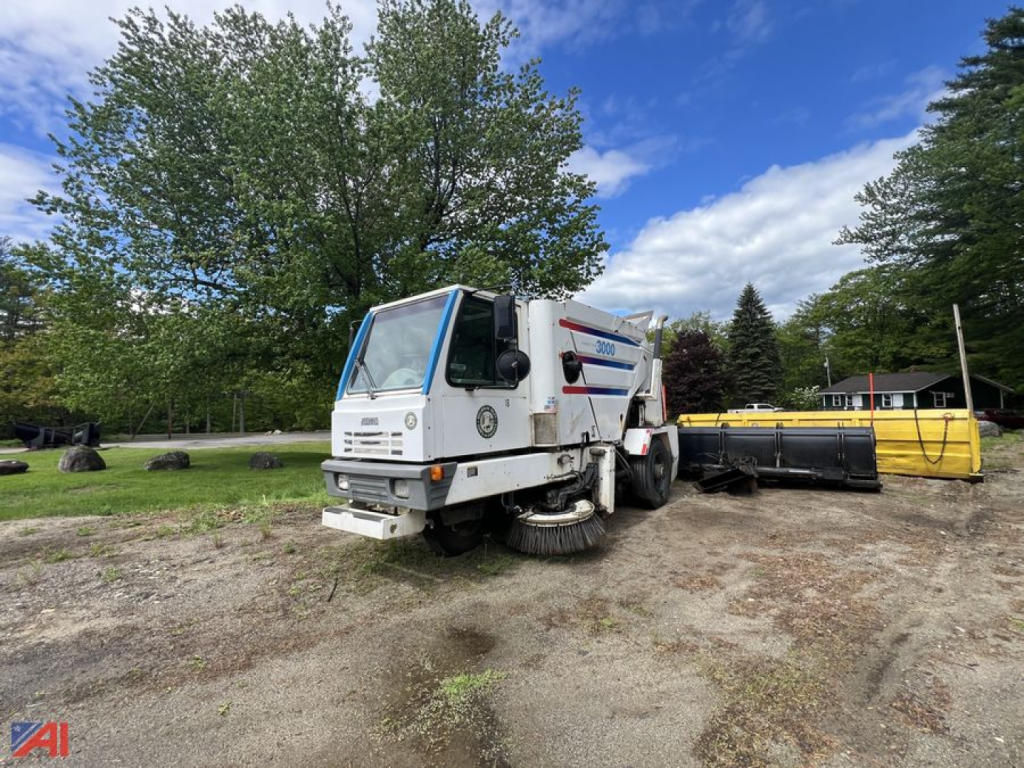
Have used johnston sweeper truck to sell? List it here to reach thousands of buyers.
About Used Johnston Sweeper Trucks
A Johnston sweeper truck may use a vacuum-assisted system, a mechanical broom setup, or a regenerative air design depending on model and application. Key checkpoints include side broom configuration, pickup head wear, suction performance, water system operation, and the condition of the hopper, conveyor, and dust suppression components. On older used units, inspect the auxiliary engine if equipped, along with the hydraulic pumps, hoses, spray nozzles, and controls in the cab. Chassis-related items matter too, especially transmission operation, brake condition, front axle wear, and rust on the frame, cab mounts, and body structure. Municipal sweepers often spend their lives in stop-and-go service, so idle hours and PTO or auxiliary system wear can tell more than mileage alone.
Capacity, maneuverability, and parts support should match the work you plan to do. Compact Johnston sweepers are a strong fit for downtown streets, bike lanes, parking areas, and curb work where turning radius and visibility matter. Larger configurations can handle broader road surfaces and longer route times with fewer dumps and water refills. Buyers should compare hopper volume, water tank capacity, broom width, dump height, and overall machine access for routine service. If the truck will run in leaf season, spring cleanup, or heavy sand and grit conditions, pay close attention to fan housing wear, suction ducting, and how easily consumables like brooms, curtains, and filters can be replaced.
For a used Johnston sweeper, maintenance records are especially valuable because these machines depend on hydraulic, water, and debris handling systems working together under constant abrasion. A solid unit should show consistent service on brooms, bearings, filters, pumps, and nozzles, plus evidence that the hopper and pickup areas were washed out and protected from corrosion. Buyers comparing multiple listings should weigh application fit over low price alone. The right sweeper truck is the one with the sweeping head, debris system, and chassis condition that match the route, operator needs, and maintenance capability of the fleet.
Frequently Asked Questions
What should I inspect first on a used Johnston sweeper truck?
Start with the sweeping system and debris handling components. Check the side brooms, pickup head, suction path, hopper, water spray system, hydraulics, and any auxiliary engine or PTO-driven setup. These trucks live in abrasive conditions, so fan wear, hose condition, rust in the hopper, and hydraulic leaks often matter more than appearance. After that, inspect the chassis for brake wear, steering play, suspension condition, transmission operation, and frame corrosion.
Are Johnston sweeper trucks mainly used for municipal work?
Yes, Johnston sweeper trucks are commonly used in municipal and public works fleets, but they also fit private contractors, campuses, airports, industrial sites, and property maintenance operations. Their value is in collecting road grit, litter, leaves, and light debris while working close to curbs and in confined areas. The best application depends on the model size, hopper capacity, broom arrangement, and how much stop-and-go operation the route involves.
Is mileage or operating hours more important on a used sweeper truck?
Operating hours are often more important than mileage because sweeper trucks spend much of their life moving slowly, idling, and running hydraulic or auxiliary systems. A unit with moderate mileage can still have significant wear in the brooms, fan, pumps, bearings, and conveyor or vacuum components if it has seen heavy route work. The strongest listings usually include both chassis mileage and sweeper system hours, along with service history.
What features matter most when comparing used Johnston sweepers?
Focus on hopper size, water tank capacity, broom setup, sweep path width, dump capability, and overall maneuverability. Also consider the condition of wear items, access to service points, cab visibility, and whether the sweeper uses a mechanical, vacuum, or regenerative air system. For many buyers, local parts support and technician familiarity with Johnston equipment are just as important as the published specifications.