
Used International Sweeper Trucks For Sale
Used International sweeper trucks for municipal and contractor cleanup, with buyer guidance on chassis, broom, hopper, and vacuum system specs.
Learn more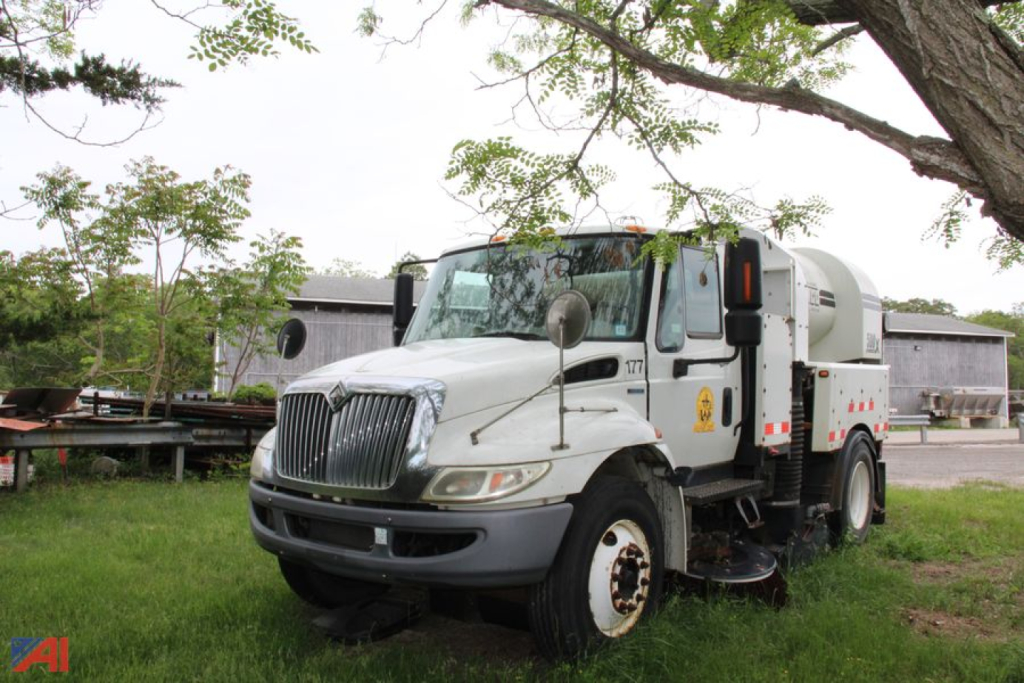

Have used international sweeper truck to sell? List it here to reach thousands of buyers.
About Used International Sweeper Trucks
A buyer comparing used International street sweeper trucks should start with the sweeper type. Mechanical broom sweepers are typically chosen for milling debris, aggregate, and heavier material on construction or road repair jobs. Air sweepers and regenerative air sweepers are better suited for finer dust control, municipal curb lines, and parking lots where pickup quality is the priority. Key checkpoints include hopper capacity, gutter broom wear, pickup head condition, conveyor or suction path wear, water tank capacity, nozzle function, and signs of corrosion in the hopper and debris areas. On many used sweepers, total chassis miles tell only part of the story. Auxiliary engine hours, hydraulic performance, and the maintenance history of the sweeper body often reveal more about remaining service life than odometer readings alone.
International sweeper trucks are often spec'd in GVWR ranges around Class 7, frequently near 31,000 pounds, with automatic transmissions, diesel power, and air brake configurations that suit stop-and-go municipal work. Right-hand drive or dual-drive controls can be a major advantage for curb sweeping because they improve operator visibility along the gutter line. Buyers should also confirm emissions equipment details, especially on older diesel units, since DPF, EGR, and DEF requirements affect maintenance cost and regional compliance. A used sweeper that runs well on the chassis side can still need expensive broom, fan, pickup head, or auxiliary engine work, so inspection should include operation under load, not just idle quality.
For many fleets, the appeal of a used International sweeper truck is familiarity. International medium-duty platforms are widely supported, and many public works departments and contractors already know the cab, electrical layout, and service points. The best value usually comes from a unit with documented preventive maintenance, solid hydraulic response, clean water and spray systems, and no major structural rust in the hopper or body mounts. If the truck is being purchased for municipal routes, lot sweeping, or post-construction cleanup, matching the sweeper body design to the debris type and route intensity is more important than focusing on chassis brand alone.
Frequently Asked Questions
What should I inspect first on a used International sweeper truck?
Start with the sweeper body, not just the truck chassis. Inspect broom wear, pickup head condition, hopper floor and sidewall corrosion, hydraulic leaks, water system operation, and the auxiliary engine or hydraulic drive system. On a used street sweeper, the expensive repairs are often in the sweeping components rather than the cab or engine, so a functional test under load is more useful than a simple walkaround.
Are International 4300 and DuraStar 4300 chassis common for sweeper trucks?
Yes. The International 4300 and DuraStar 4300 are very common platforms in the used sweeper truck market. They are popular because they fit medium-duty sweeper body installations well, have broad service support, and are familiar to many municipal and contractor fleets. That makes them practical choices when uptime, parts availability, and technician familiarity are important.
What is the difference between a mechanical broom sweeper and an air sweeper?
A mechanical broom sweeper uses rotating brooms and a conveyor or pickup system to move heavier debris into the hopper, which makes it a strong fit for road milling, gravel, and construction cleanup. An air sweeper or regenerative air sweeper is generally better for lighter debris, dust control, and cleaner pickup on finished pavement, parking lots, and municipal routes. The right choice depends on the material being collected and how clean the finished surface needs to be.
Why do sweeper engine hours matter as much as truck miles?
Many used sweeper trucks spend their lives in slow, stop-and-go service, so chassis mileage can look relatively low while the sweeper system has accumulated significant operating hours. The auxiliary engine, hydraulics, fan system, and broom assemblies may have seen much more wear than the odometer suggests. That is why buyers should compare chassis miles, engine hours, and service records together before judging value.
Do used International sweeper trucks need special attention for emissions systems?
Yes. Diesel emissions equipment can be a major ownership factor on used sweeper trucks. Buyers should verify whether the chassis uses DPF, EGR, or DEF, check for active fault codes, and confirm that regeneration and aftertreatment systems are functioning correctly. On older units, emissions issues can become costly quickly, especially when combined with sweeper body repairs and high idle or severe-duty operating cycles.