
Elgin Sweeper Trucks For Sale in Kansas
Browse Elgin sweeper trucks for sale in Kansas. Compare Pelican and other street sweeper models by hopper size, broom setup, engine hours, and condition.
Learn more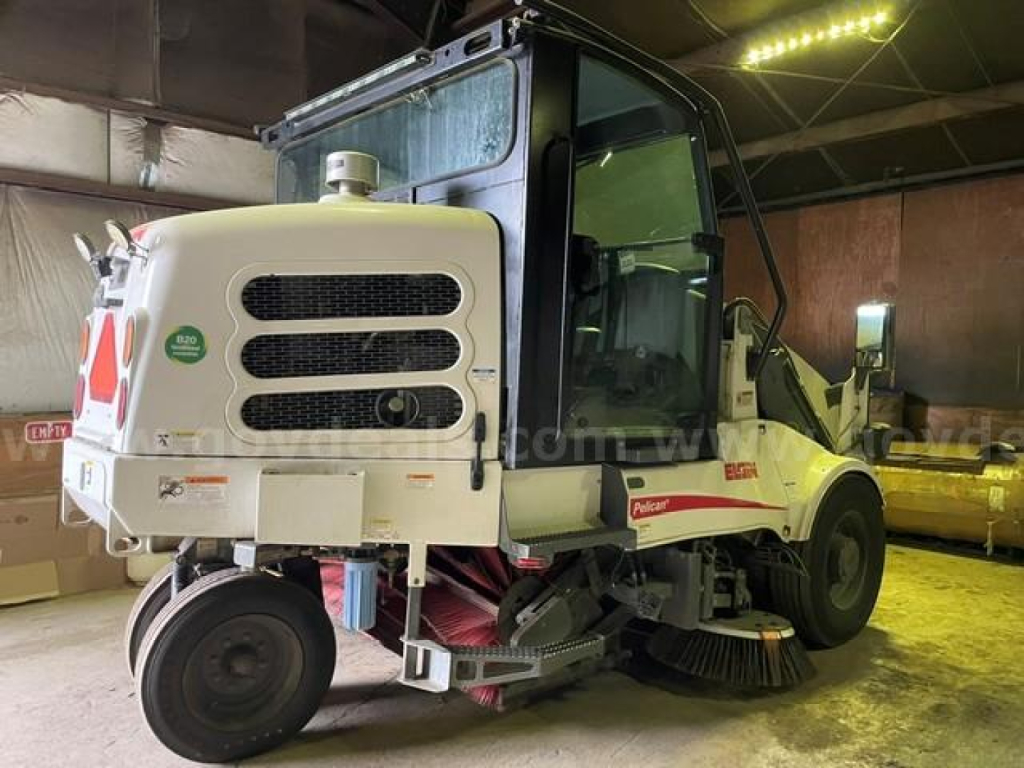
Have elgin sweeper truck to sell? List it here to reach thousands of buyers.
About Elgin Sweeper Trucks in Kansas
Mechanical broom sweepers like the Elgin Pelican are popular for heavier material such as gravel, millings, and packed gutter debris. They typically use gutter brooms and a main broom to move material onto a conveyor and into the hopper, making them a practical choice for public works departments and contractors that need dependable pickup in tougher conditions. Key specs usually include hopper capacity, broom size, water system capacity, dump height, auxiliary engine or chassis engine configuration, and overall machine hours. Buyers should also inspect wear items closely, including brooms, conveyor components, suction or dust control plumbing, hopper floor condition, hydraulic systems, and the water spray system. On older units, corrosion in the hopper, frame-mounted components, and plumbing can become more important than mileage alone.
Chassis details matter as much as the sweeper body. Many Elgin sweeper trucks are mounted on purpose-built or commercial truck chassis with diesel power, automatic transmissions, hydraulic drive systems, and two-wheel-drive layouts. For Kansas fleets, turning radius, wheelbase, and service access can make a difference when the truck is used in downtown areas, residential neighborhoods, or airport and campus work. Cab condition, visibility, mirror setup, HVAC performance, warning lights, and backup camera systems also deserve attention because sweeper trucks spend long hours in stop-and-go operation. If the truck will see regular road travel between job sites, buyers should compare miles, engine hours, idle hours, brake condition, and tire wear together rather than judging the unit on odometer readings alone.
The best Elgin sweeper truck depends on debris type, route density, and how the machine will be maintained. A municipality may prioritize simple serviceability, strong gutter broom performance, and reliable parts support, while a contractor may focus more on transport speed, hopper productivity, and flexibility across different cleanup jobs. Reviewing service records, broom and hydraulic maintenance history, water system function, and evidence of routine greasing can tell you more about future downtime than appearance alone. For buyers narrowing down used Elgin sweeper trucks for sale in Kansas, the most valuable comparison points are sweeping system design, hopper and water capacity, chassis condition, and overall component wear.
Frequently Asked Questions
What is the difference between a mechanical broom Elgin sweeper and a regenerative air sweeper?
A mechanical broom sweeper uses side brooms and a main broom to move debris onto a conveyor and into the hopper, which makes it well suited for heavier material like gravel, millings, and packed gutter debris. A regenerative air sweeper uses air circulation and suction to lift finer material and typically offers better dust control in lighter sweeping applications. The right choice depends on the debris stream, street conditions, and how much emphasis you place on simple mechanical service versus fine material pickup.
What should I inspect first on a used Elgin Pelican sweeper truck?
Start with the sweeping system and hopper because those components usually show the true level of wear. Check the main broom, gutter brooms, conveyor, hydraulic motors, cylinders, water spray nozzles, pump operation, and hopper floor for wear, cracks, or corrosion. After that, review engine hours, idle time, transmission behavior, brake condition, steering response, and the cab controls to make sure the truck performs well both on route and in transport.
Are miles or engine hours more important on a sweeper truck?
Engine hours are often more revealing than miles because sweeper trucks spend a large portion of their life operating at low speeds or idling while the sweeping system runs. A unit with modest mileage can still have significant wear if it has high engine or broom hours and inconsistent maintenance. The best evaluation uses miles, engine hours, chassis condition, and service history together.
Is an Elgin sweeper truck a good fit for municipal use in Kansas?
Elgin sweeper trucks are commonly used by municipalities because they are designed for routine street maintenance, curb line cleanup, parking areas, and seasonal debris control. In Kansas, that can include dirt and dust from dry conditions, leaves, storm debris, and winter traction material. A properly matched Elgin sweeper can be a strong fit if the hopper capacity, broom design, water system, and chassis layout match the routes and maintenance practices of the fleet.
What maintenance items have the biggest effect on sweeper truck operating cost?
The biggest cost drivers are usually broom replacement, conveyor wear, hydraulic system repairs, water system maintenance, tire wear, and downtime related to neglected greasing or hopper corrosion. Preventive service matters because sweepers operate in abrasive conditions and carry constant dust, moisture, and debris exposure. A machine with documented routine maintenance and timely replacement of wear parts is typically a better value than one that simply looks clean in photos.