
New Step Van Trucks For Sale
Shop new step van trucks. Compare gas, diesel, and electric walk-in vans by GVWR, body size, payload, liftgates, and urban last-mile specs.
Learn moreBrowse Step Van Trucks by Make
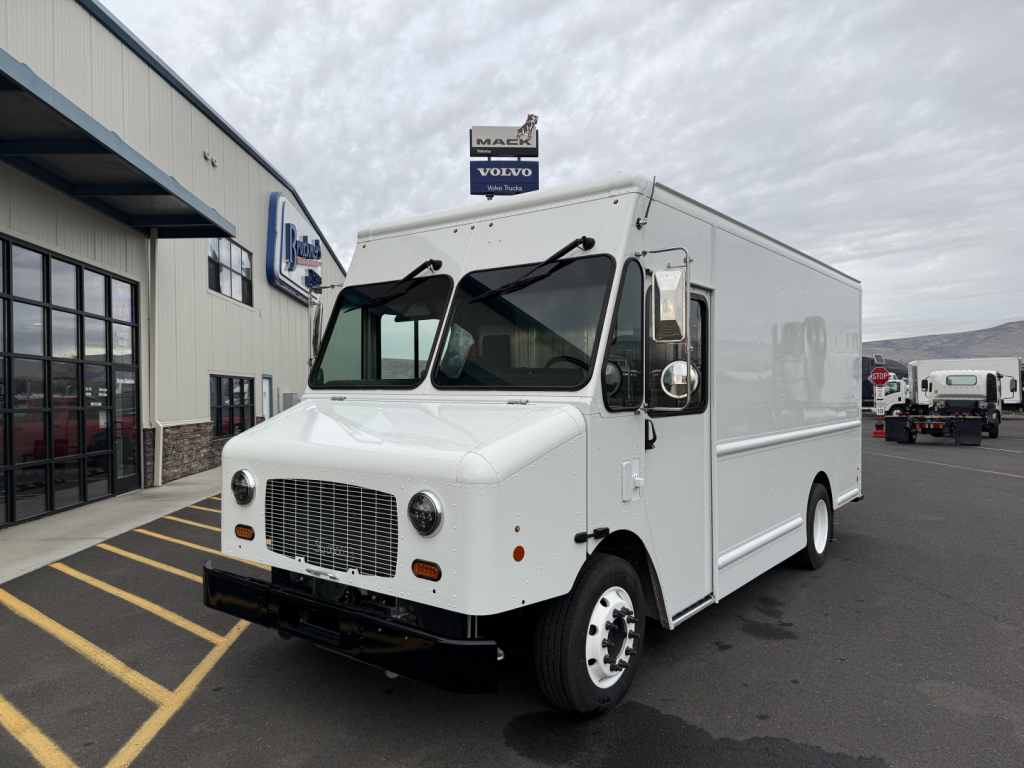
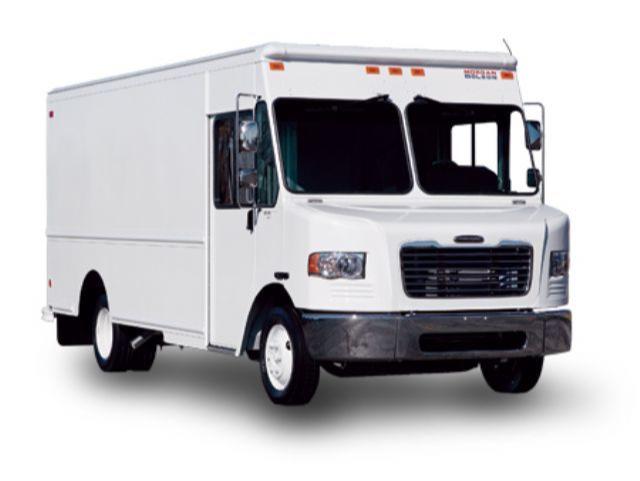
Showing 25 to 34 of 34 results
Have new step van truck to sell? List it here to reach thousands of buyers.
About New Step Van Trucks
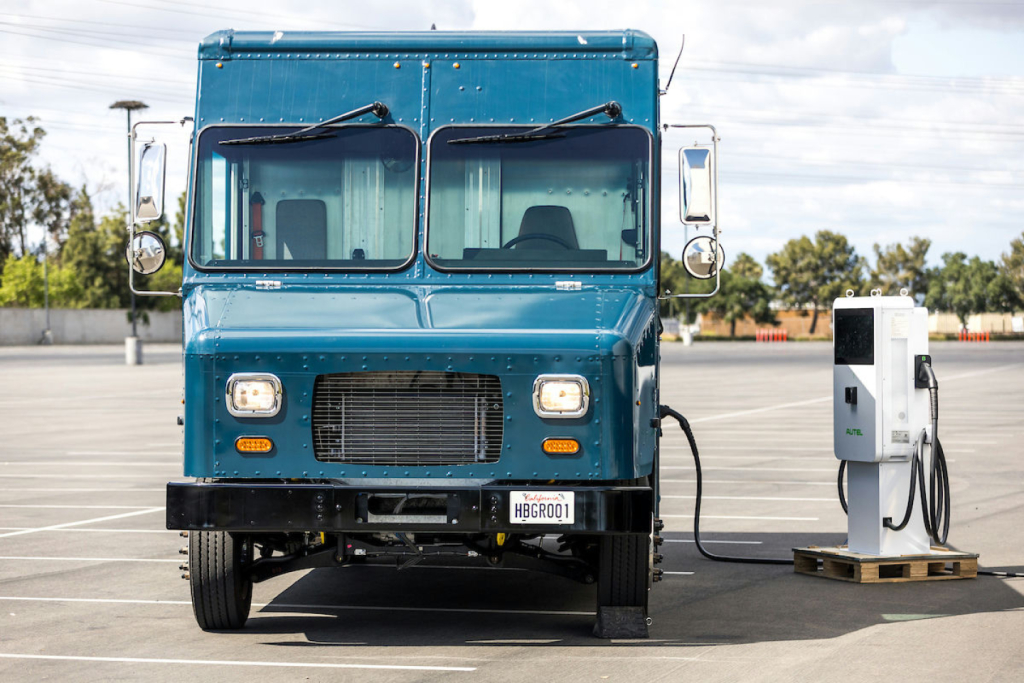
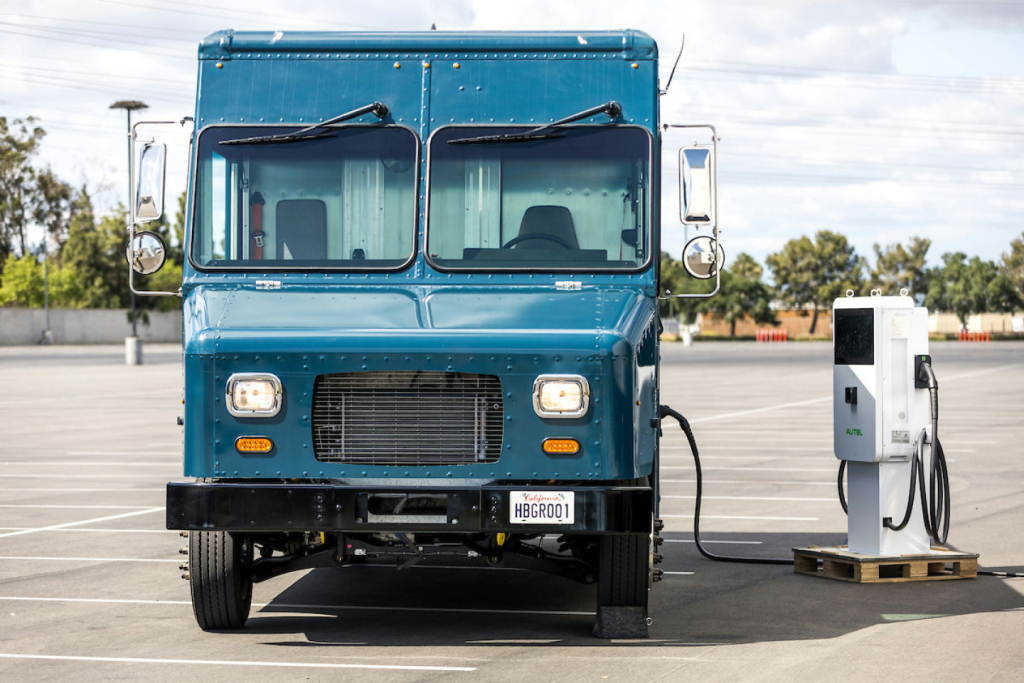
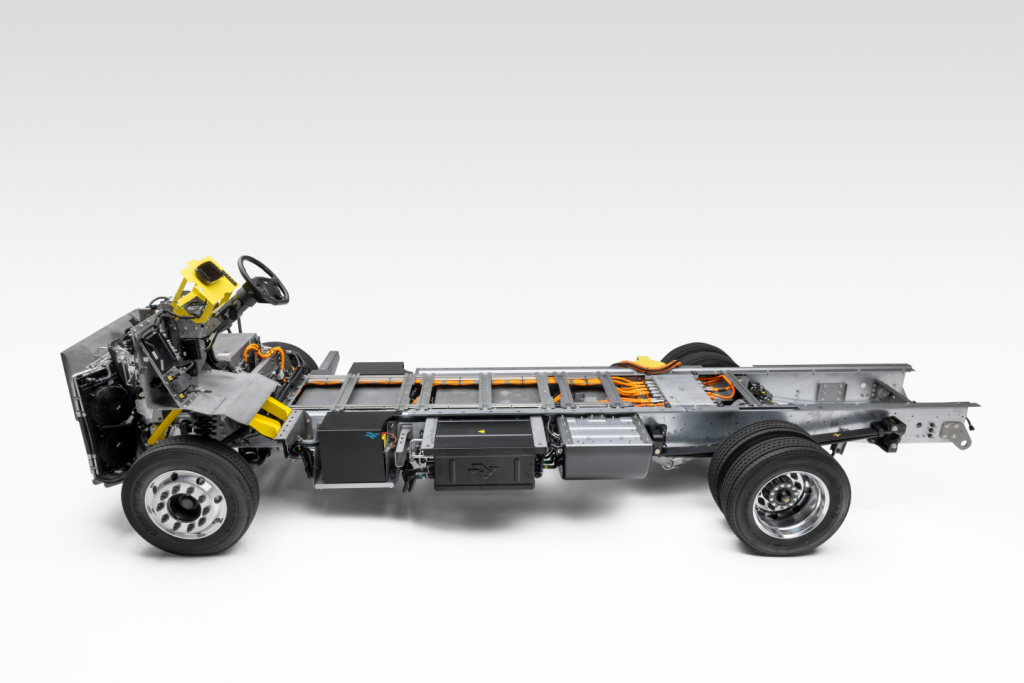
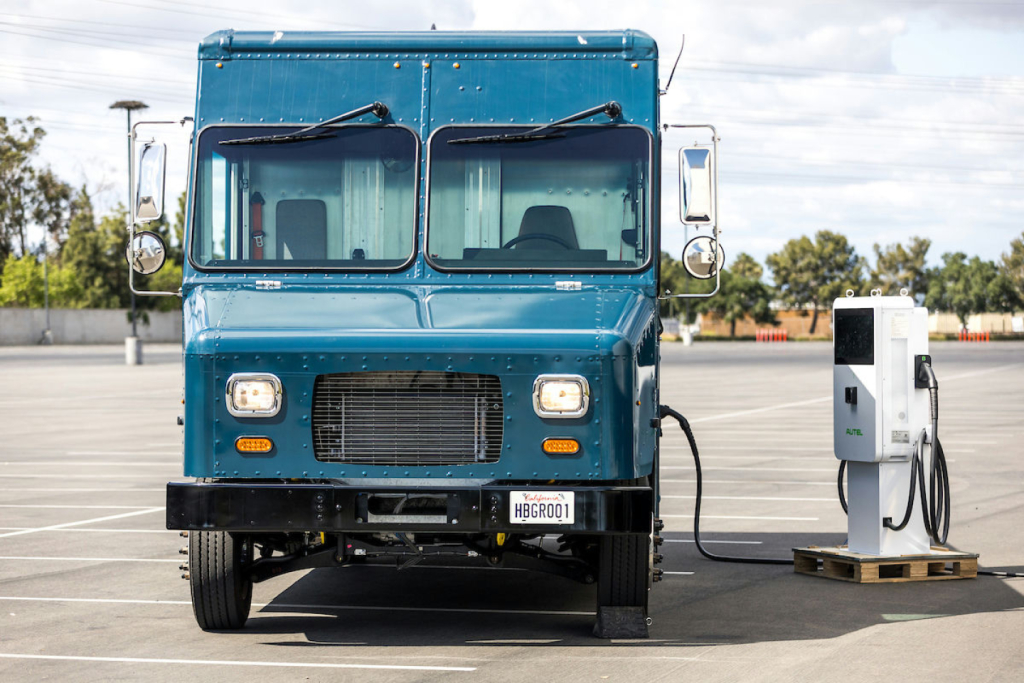
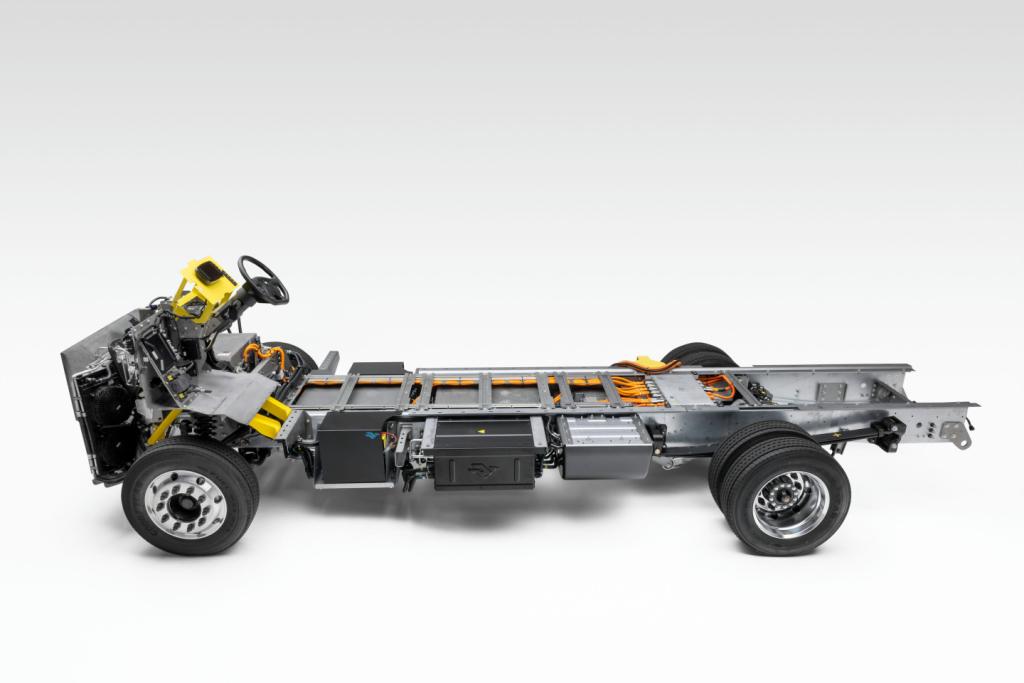
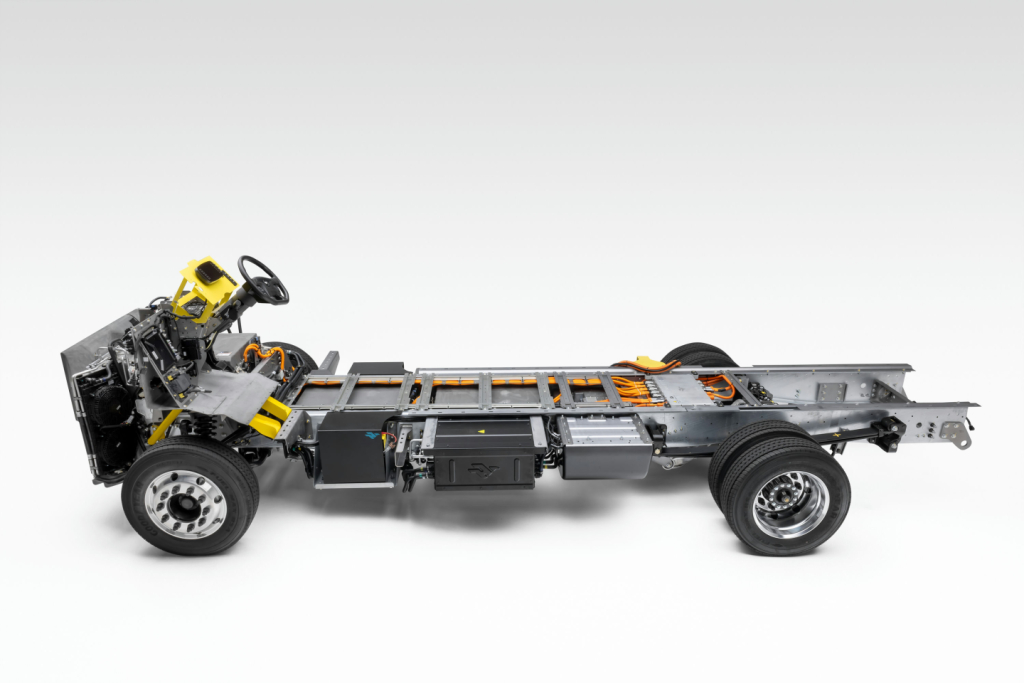
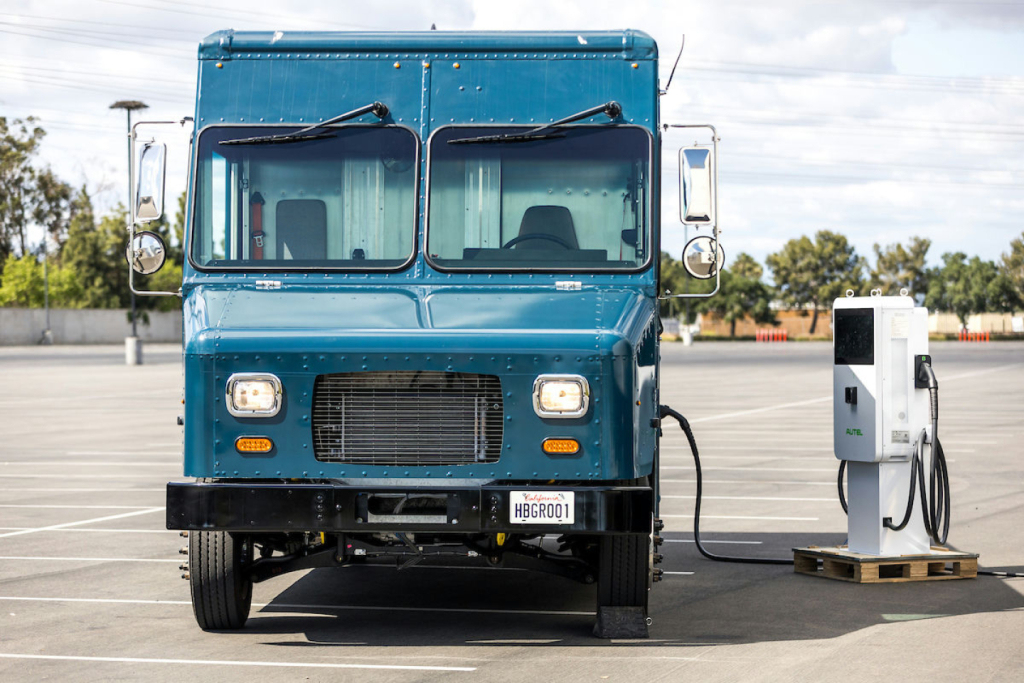
Powertrain selection is a cost-per-stop decision. Gasoline stripped chassis offer lower upfront price and simpler emissions hardware, ideal for routes under 120 miles per day with frequent starts. Modern diesels deliver higher torque, better fuel economy under heavy loads, and longer service life, balanced against DEF, DPF service, and regen behavior in stop-and-go duty. Battery-electric step vans are now viable for last-mile with typical usable ranges of 100 to 200 miles, strong low-speed torque, quiet operation, and lower routine maintenance. Plan for payload impacts from battery weight, charging windows that match shift changes, and depot infrastructure such as Level 2 or DC fast charging. Most new units pair with automatic transmissions for smooth creep control at the curb and hill-hold features to reduce roll-back.
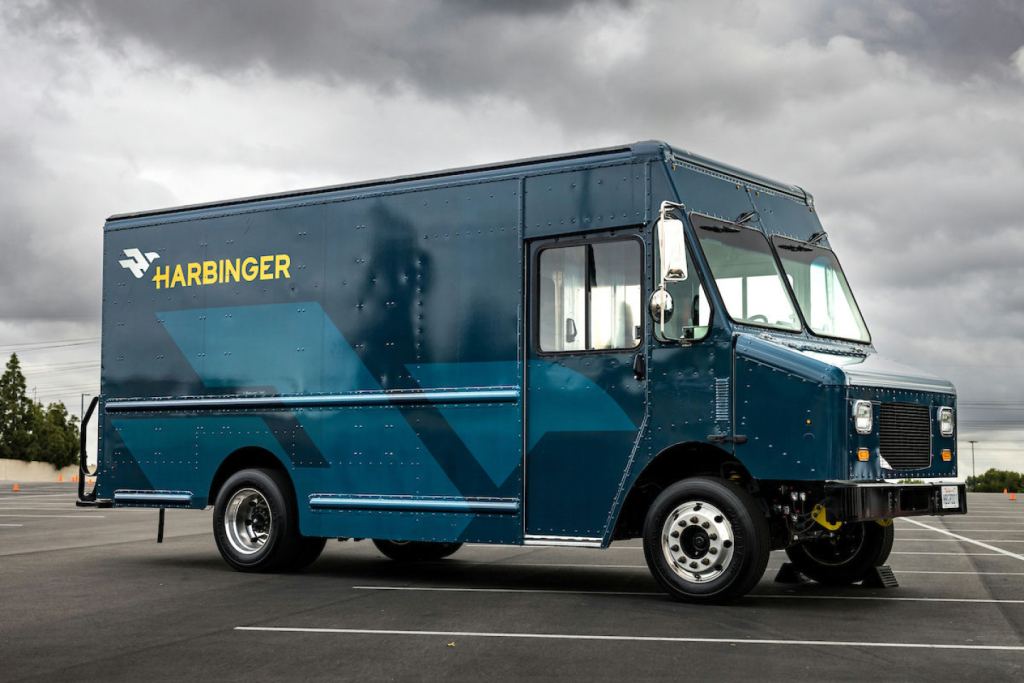
Bodies from leading upfitters are offered in roughly 12 to 24 foot lengths with stand-up interiors and cargo volumes often ranging from 400 to over 1000 cubic feet. Look for sliding curbside doors, a solid bulkhead with lockable slider, LED cargo lighting, scuff liners, e-track or logistics posts, and non-slip hardwood or aluminum tread flooring. Rear access can be roll-up for quick parcel work or swing doors for wider clear openings. Ramp options speed small-parcel handling, while rail or tuck-under liftgates suit appliances, food service, and linen accounts. Consider roof choices like translucent FRP for daylighting, insulated panels for temperature-sensitive goods, and corrosion-resistant aluminum or composite skins for snow-belt operations. Safety and productivity tech now includes rear and side cameras, parking sensors, stability control, traction control, telematics, and optional driver HVAC with idle-reduction.
Spec for the job and route: dense city stops reward a short wheelbase, curb-friendly mirrors, high-visibility driver doors, and low step-in height. Heavier suburban routes benefit from higher GVWR, larger brakes, and wider rear door clearances. Decide early on hydraulic versus air brakes, as Class 6 builds may justify air for durability and hill performance. Match tire size and axle ratios to your average speed profile, and note that aluminum wheels, undercoating, stainless hardware, and sealed wiring harnesses pay off in corrosive climates. For new step vans, factor OEM and body-builder warranties, roadside support, and telematics integration with your routing software, since uptime and data often drive total cost of ownership as much as fuel type.
Frequently Asked Questions
What GVWR should I choose for a new step van truck?
Pick the lightest GVWR that reliably covers your payload and cube. Class 3–5 builds around 12,000–19,500 GVWR work for parcel and light service routes, while Class 6 near or above 23,000 GVWR handles bulkier freight and liftgate work. Many fleets spec 25,999 GVWR to avoid CDL requirements, but moving to 26,000 plus can increase brake capacity, frame strength, and durability if your routes demand it.
Gas, diesel, or electric for step van delivery routes?
Gas offers the lowest acquisition cost and simple maintenance, great for shorter, stop-dense routes. Diesel provides better torque and fuel economy under heavier loads and longer routes but requires DEF and DPF management. Electric is compelling for predictable daily miles within range, depot charging, and noise-sensitive areas, with lower routine maintenance and strong low-speed performance. Evaluate route length, charging access, payload, and TCO before deciding.
What body sizes and interior options are common on new step vans?
Bodies typically run 12–24 feet with stand-up interior heights. Common features include sliding curb doors, a lockable bulkhead, LED cargo lighting, scuff liners, e-track or logistics posts, adjustable shelving, and non-slip floors. Rear access may be roll-up for quick parcel handling or swing doors for maximum opening width. Options include ramps, tuck-under or rail liftgates, translucent or insulated roofs, and security packages.
Do I need a ramp or a liftgate on a step van?
Choose a ramp for small-parcel delivery with frequent stops where speed matters and weights are manageable by hand trucks. Choose a rail or tuck-under liftgate when moving appliances, kegs, food service items, or any palletized or heavy items that exceed safe manual handling. If you regularly hit docks, confirm deck height compatibility and consider a liftgate with cart stops and auto-leveling.
What braking and safety systems are typical on new step vans?
Most Class 3–5 step vans use hydraulic ABS brakes with stability and traction control. Heavier Class 6 models may offer air brakes for improved fade resistance and durability. New builds often include backup cameras, parking sensors, LED lighting, optional side-view cameras, and telematics. Some chassis add lane departure alerts and collision mitigation systems, which are valuable in dense urban delivery.