
New Harbinger Step Van Trucks For Sale in Texas
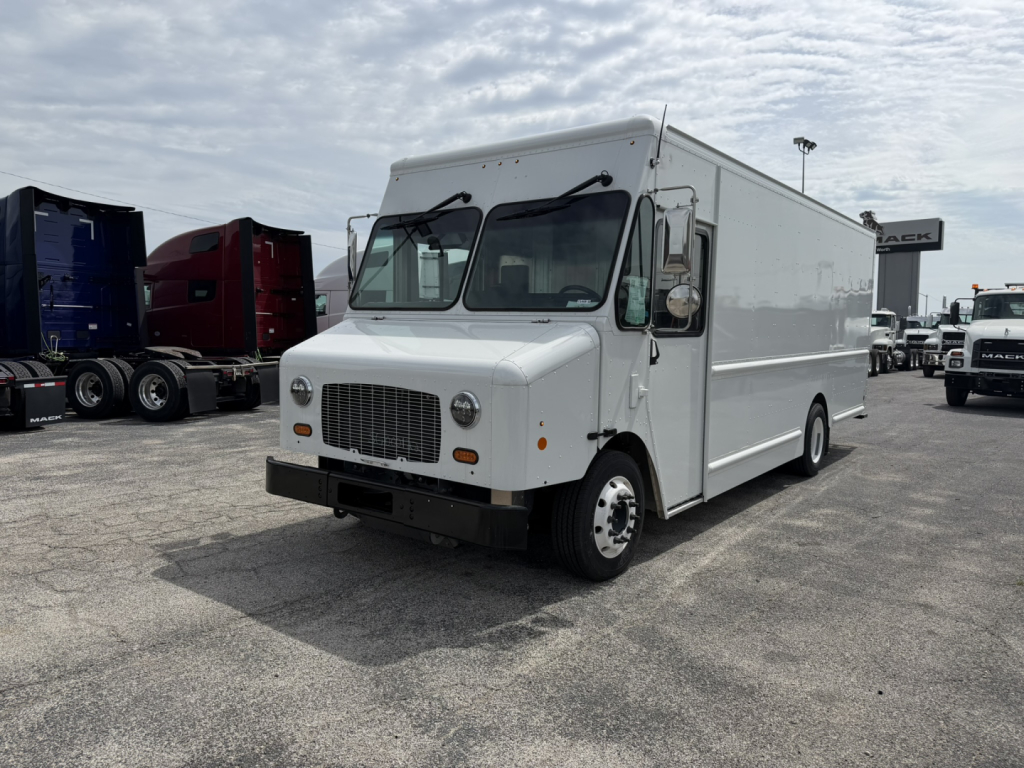
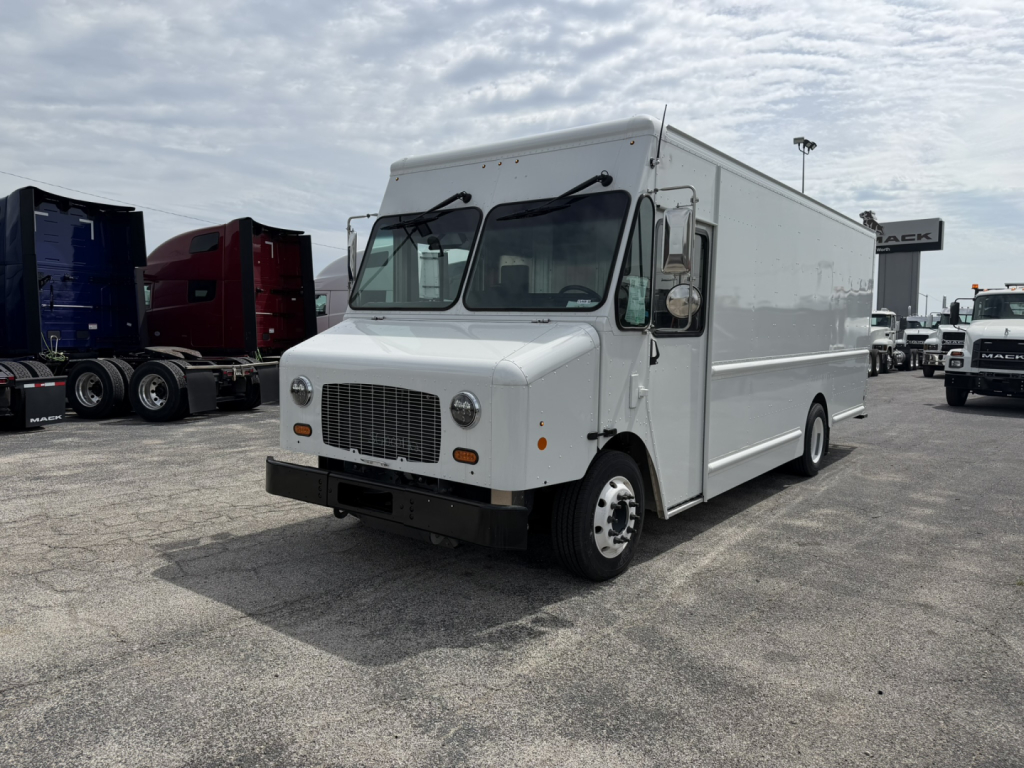
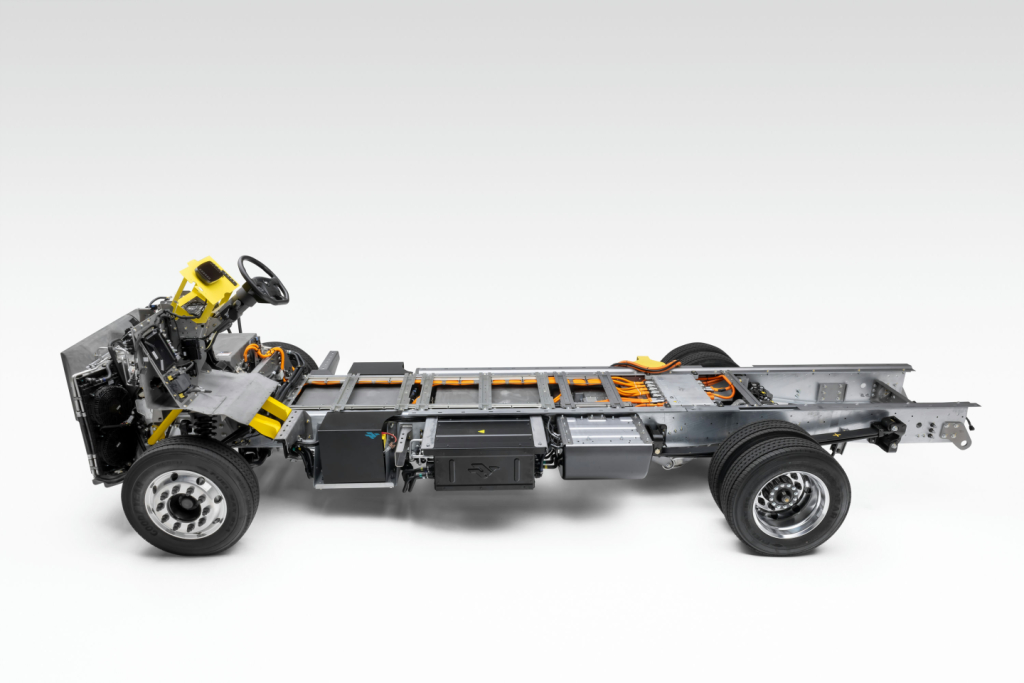
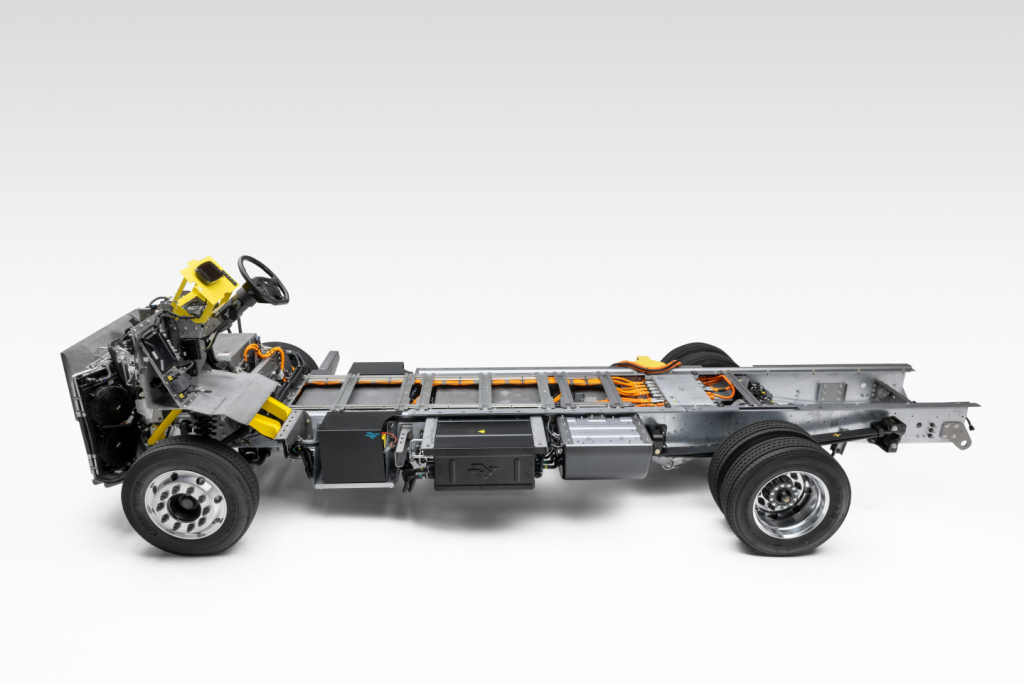
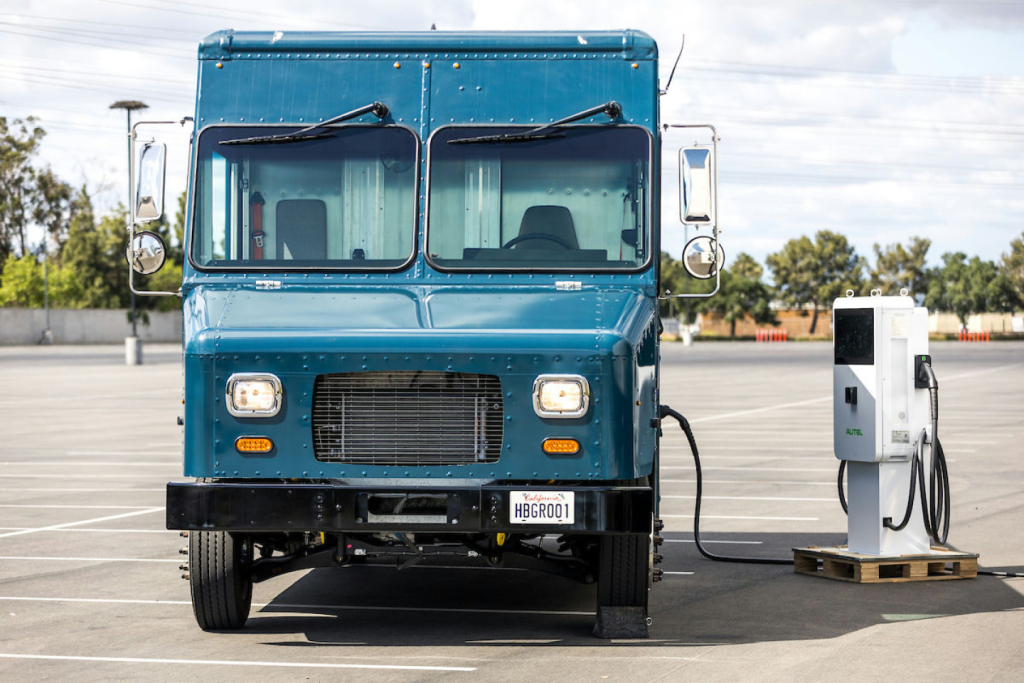
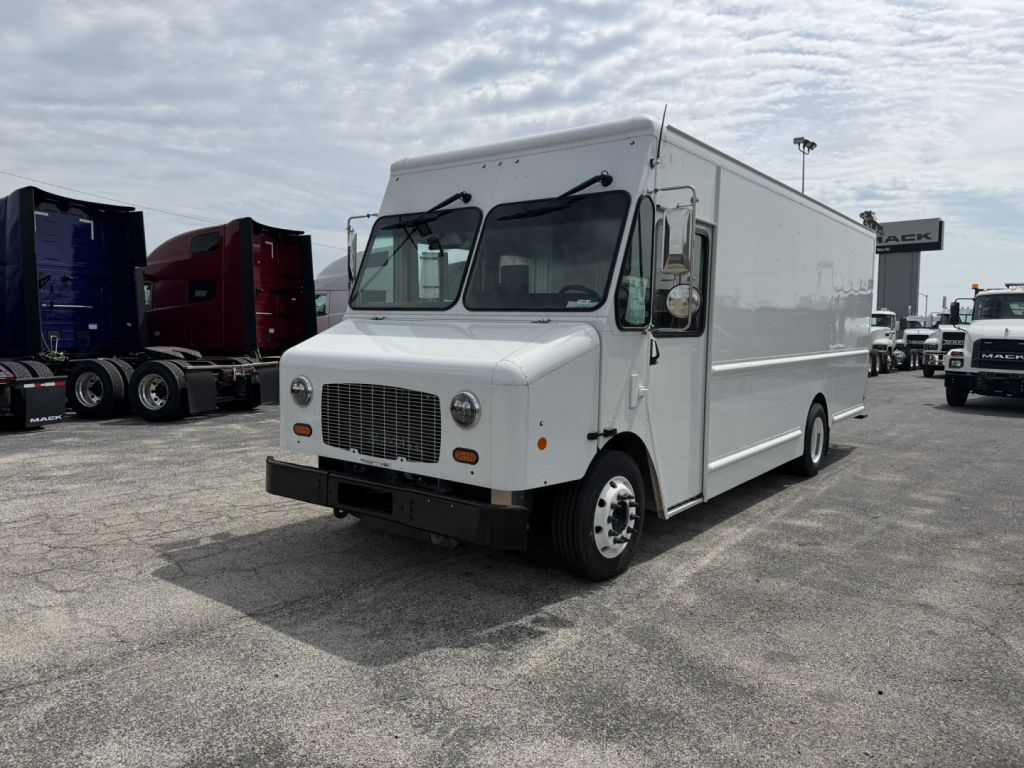
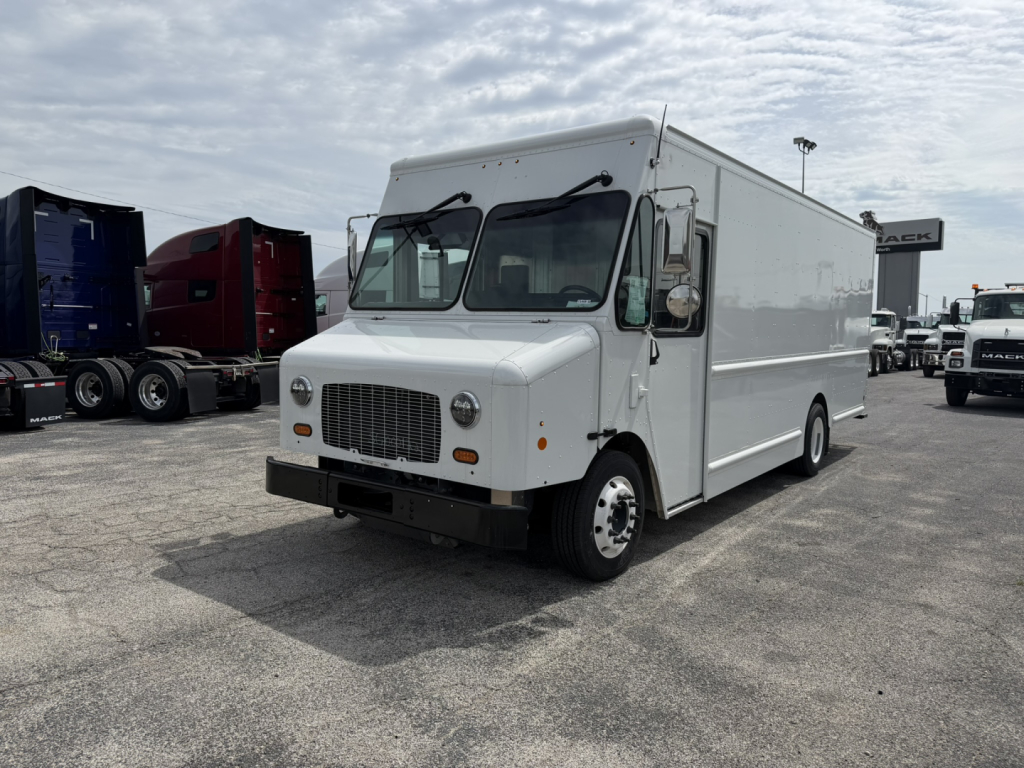
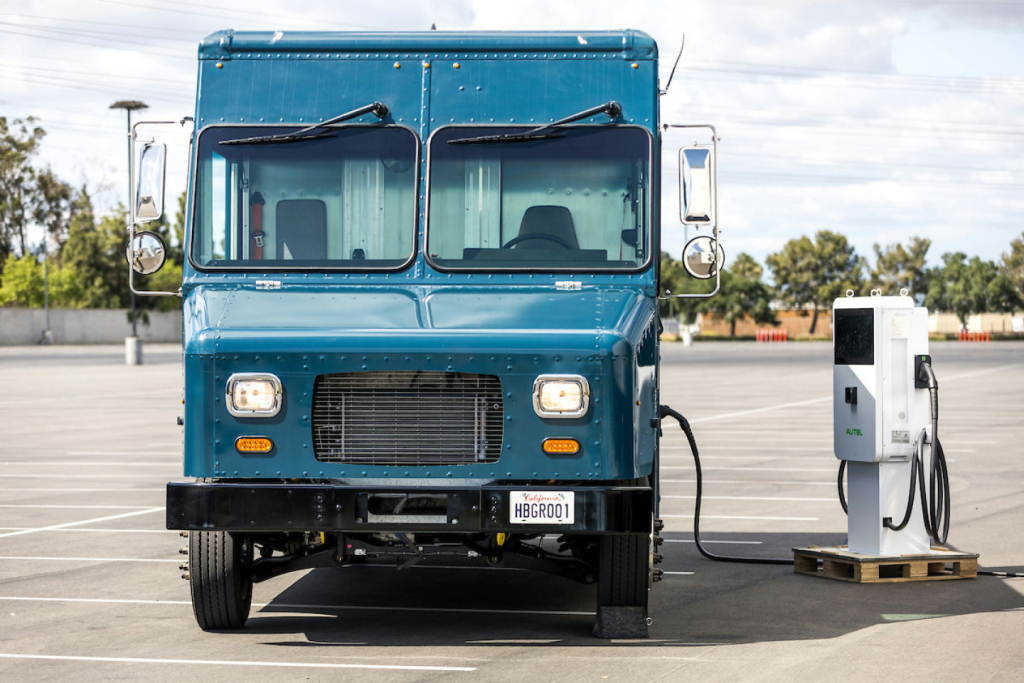
New Harbinger step van trucks for sale in Texas, including all-electric delivery vans built for urban routes, last-mile fleets, and local service work.
Learn more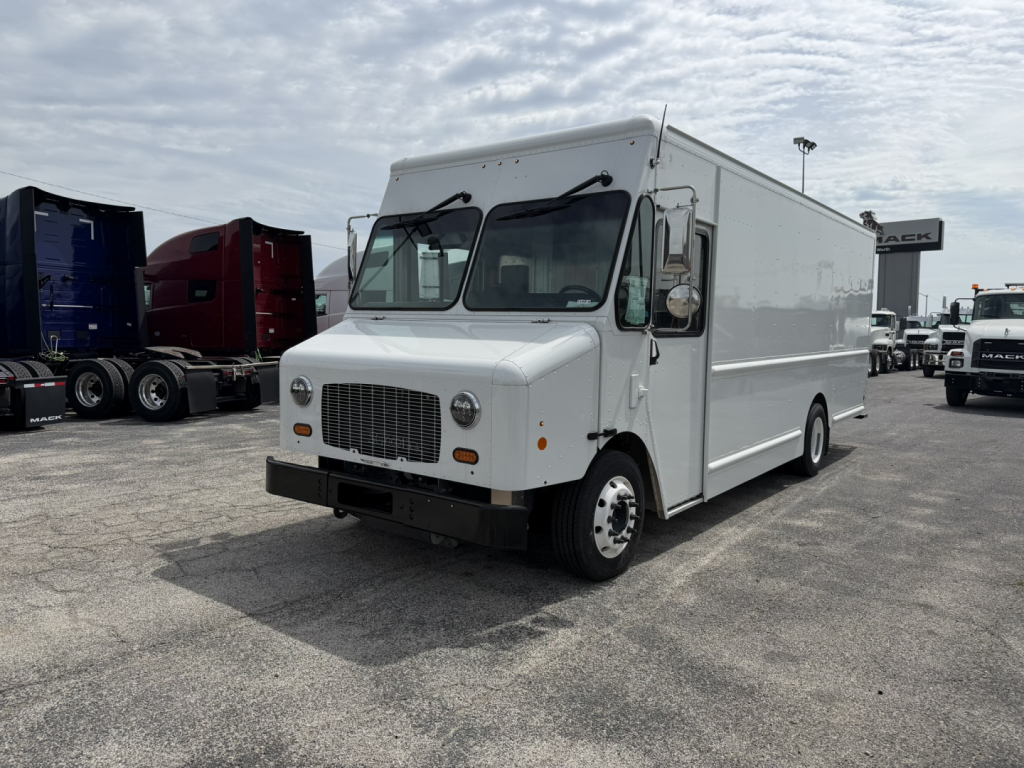
Showing 1 to 12 of 15 results
Have new harbinger step van truck to sell? List it here to reach thousands of buyers.
About New Harbinger Step Van Trucks in Texas
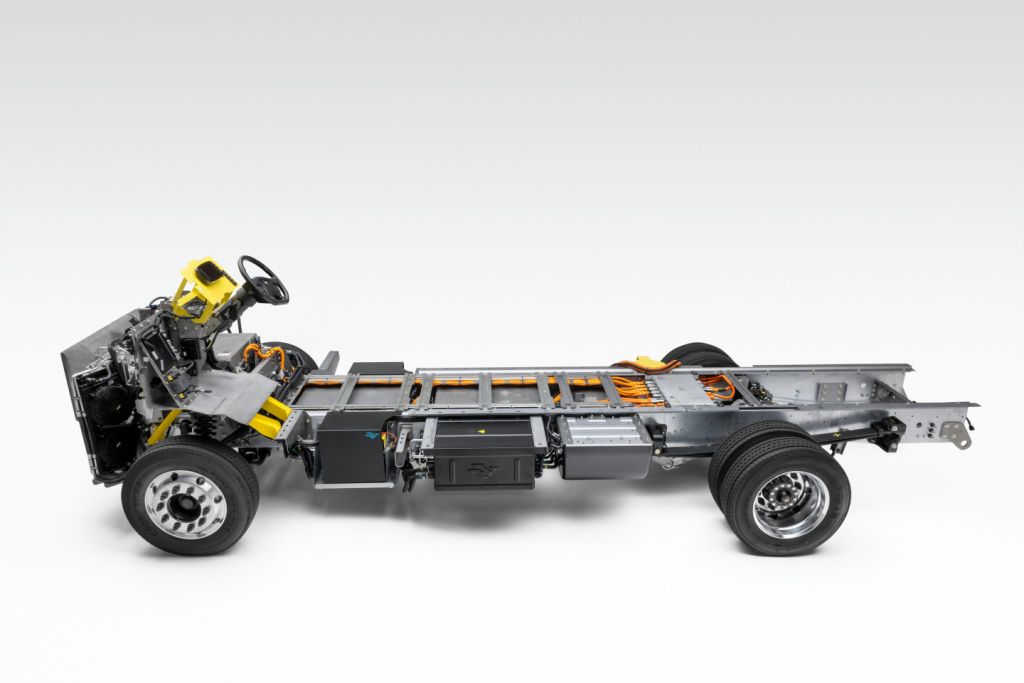
A buyer comparing step vans in this class should start with body size, payload target, and route profile. Common model designations such as S534, S554, and S655 generally point buyers toward different body length and cargo volume ranges, which directly affect maneuverability, dock access, and cubic capacity. For dense Texas metro routes in places like Houston, Dallas-Fort Worth, Austin, or San Antonio, turning radius, curb visibility, and stop frequency are just as important as gross vehicle weight rating. On an electric step van, battery range under loaded, real-world conditions is a practical buying factor, especially when air conditioning demand, idle reduction, regenerative braking, and daily stop count all influence energy use.
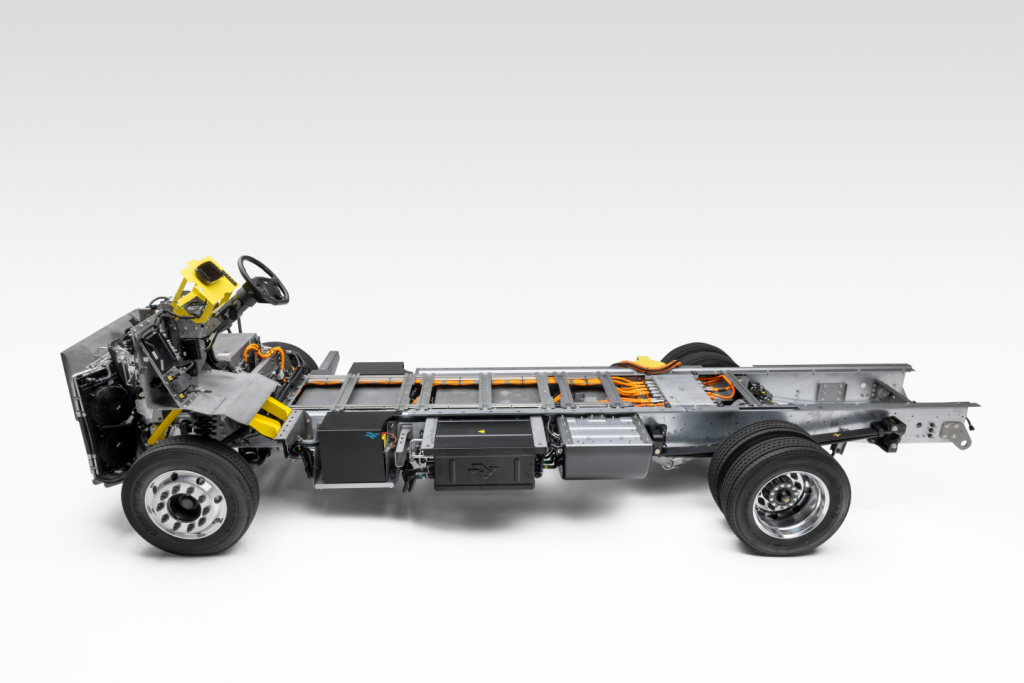
Step vans are also known as walk-in vans, and they are chosen because they are faster to work from than a conventional cab-and-box setup. The flat walk-through design helps reduce driver fatigue over a route with constant exits and re-entries. Buyers should pay close attention to door configuration, interior standing height, shelving options, bulkhead design, body construction, and charging compatibility. On electric platforms, it is also smart to evaluate charging time, depot charging needs, service access, and how body upfits may affect vehicle weight and usable range. Fleet managers often look at telematics integration, driver safety systems, backup camera visibility, and HVAC performance because those items directly affect uptime and route productivity.
For Texas operations, climate and duty cycle matter. High ambient temperatures can affect cabin comfort, battery thermal management, and route planning, so the right specification depends on where and how the truck will run. A properly matched Harbinger step van can be a strong fit for local routes with predictable mileage, return-to-base charging, and repeated stop-and-go operation. Buyers comparing listings in this category should focus on body dimensions, GVWR, axle ratings, payload after upfit, wheelbase, charging requirements, and the intended route length rather than model year alone. In a step van, the best spec is the one that matches the route and the cargo without leaving too much capacity unused.
Frequently Asked Questions
What is a Harbinger step van best suited for?
A Harbinger step van is best suited for last-mile delivery, parcel service, local distribution, and service routes with frequent stops. The walk-in body layout allows fast driver movement between the cab and cargo area, which improves efficiency on dense routes. In an all-electric configuration, it is especially well matched to return-to-base operations where daily mileage is predictable and charging can be planned around the route.
How do I choose between different Harbinger step van models like the S534, S554, and S655?
The main differences usually come down to body size, cargo volume, wheelbase, and how much truck you need for the route. A shorter step van can be easier to maneuver in tight city streets and parking areas, while a longer body may offer better cube for parcel or package-heavy applications. Buyers should compare the route density, average package size, dock access, payload requirement, and available parking or charging space before deciding on model size.
Are electric step vans practical for Texas delivery routes?
Electric step vans can be very practical in Texas when the route is local, repeatable, and based around depot charging. They are a strong fit for urban and suburban delivery work with high stop counts because regenerative braking and low-speed operation favor electric drivetrains. Buyers should still account for summer heat, HVAC load, payload, and any auxiliary equipment that may reduce real-world range during the day.
What specifications matter most when buying a new step van?
The most important specifications are body length, interior cargo volume, GVWR, payload capacity after upfit, wheelbase, axle ratings, and door configuration. On an electric step van, range, battery charging requirements, charging connector compatibility, and charge time are equally important. Buyers should also review visibility, turning radius, shelving layout, and serviceability because those factors affect route productivity every day.
What is the difference between a step van and a box truck for local delivery?
A step van is designed around frequent stops and easy driver movement, with a low-entry cab and walk-through access to the cargo area. A box truck is often better for mixed-use hauling or applications that do not require constant in-and-out activity. For parcel delivery, bakery routes, uniform service, and similar stop-intensive work, a step van usually offers better route efficiency and faster package handling.