
Volvo Rolloff Trucks For Sale in New Mexico
Shop Volvo rolloff trucks in New Mexico. Compare VHD chassis specs, hoist setups, axle ratings, and PTO options for waste and container work.
Learn more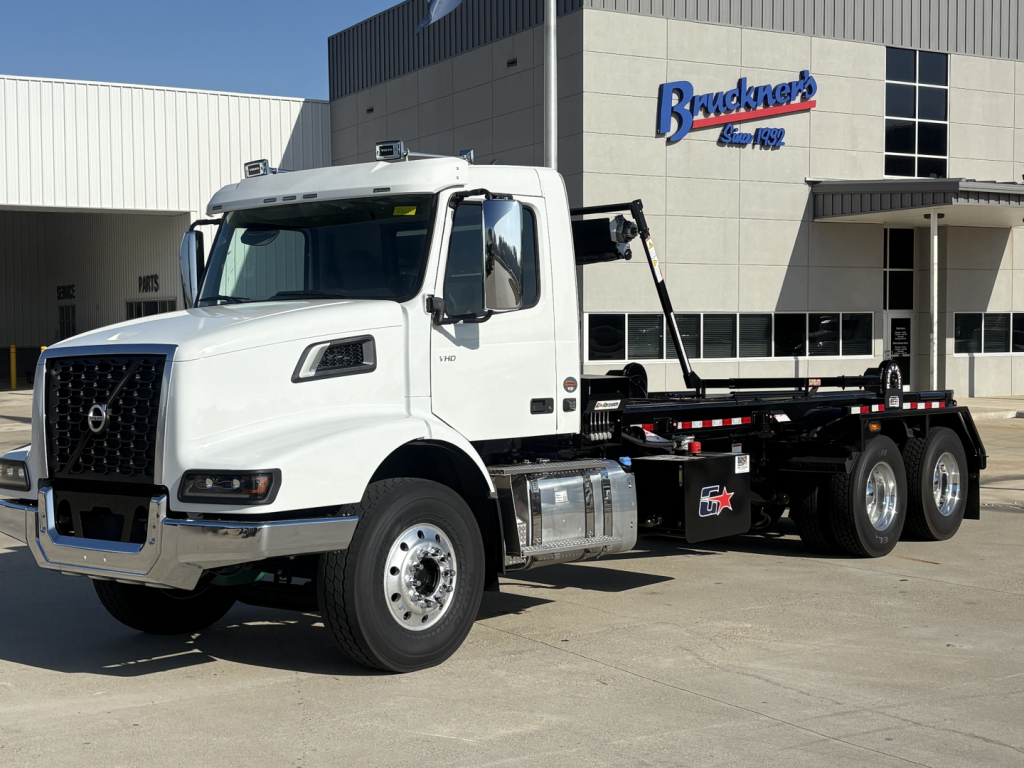
Have volvo rolloff truck to sell? List it here to reach thousands of buyers.
About Volvo Rolloff Trucks in New Mexico
The chassis matters as much as the hoist. Volvo rolloff trucks are often spec’d with diesel engines in horsepower ranges suited for urban waste routes, construction debris, scrap, and municipal container service, with torque tuned for frequent starts and low-speed pulling power. Transmission choice is a major decision point. Automated manual transmissions are popular for reducing driver fatigue and helping with consistent operation, while some fleets still prefer manual gearboxes for certain vocational applications. Wheelbase, cab-to-axle dimension, frame reinforcement, suspension, and bridge law considerations all affect how well the truck handles loaded boxes, off-road approaches, and tight transfer station or jobsite maneuvering.
Buyers should also pay attention to the working equipment and body integration. A rolloff truck lives and dies by its hydraulic system, PTO setup, hoist manufacturer, tarp system, and container fit. Common details that deserve a close look include inside rail width, hoist reeving, winch or hook arrangement, hoist lift angle, body stop placement, and how easily the system handles different can sizes. Traction options, locking differentials, front axle set-back or set-forward configurations, and suspension type can make a real difference on dirt lots, landfill approaches, and uneven construction entrances. Safety and uptime features matter too, including backup cameras, work lights, air disc brakes or drum brake preference, frame-mounted components, and ease of service access.
For buyers focused on total operating cost, Volvo’s vocational appeal is not just the badge on the grille. It is the combination of cab comfort, steering feel, visibility, and serviceability on a platform that can be spec’d for demanding refuse and container applications. On a used or new rolloff truck alike, the best purchase is usually the one with a chassis and hoist matched correctly to the route, the containers, and the material being hauled. A truck handling demolition debris in Albuquerque has different needs than one cycling lighter waste containers across shorter municipal routes, so the right spec starts with payload, cycle frequency, terrain, and legal weight targets.
Frequently Asked Questions
What should I look for first on a Volvo rolloff truck?
Start with hoist capacity, axle ratings, and wheelbase. Those three items determine what size containers the truck can handle, how much material it can legally carry, and how stable it will be during loading and unloading. After that, review the PTO and hydraulic system, frame spec, suspension, and transmission to make sure the truck matches the duty cycle and terrain.
Are Volvo VHD trucks a good fit for rolloff applications?
Yes. The Volvo VHD is a common vocational platform for rolloff work because it is designed for severe-duty applications and can be spec’d with heavy frames, vocational suspensions, PTO provisions, and axle configurations suited to container handling. It also offers a cab layout and visibility package that many operators prefer for repeated stop-and-go work.
What is the difference between a hook hoist and a cable rolloff system?
A hook hoist uses a hydraulic arm with a hook to lift and set containers, while a cable system uses a winch and cable to pull containers onto the rails. Hook hoists are often favored for speed, container control, and easier loading on uneven ground. Cable systems remain common and can be effective for fleets standardized around that container style. The right choice depends on your container fleet, operating environment, and maintenance preference.
Why does wheelbase matter on a rolloff truck?
Wheelbase affects container fit, weight distribution, turning radius, and bridge compliance. A truck that is too short or too long for the intended hoist and box sizes can create loading issues or poor axle balance. In rolloff service, correct wheelbase and cab-to-axle dimensions are critical because the truck has to remain stable both on the road and during the loading cycle.
What New Mexico operating conditions matter when buying a rolloff truck?
Heat, dust, elevation, and mixed on-road/off-road use are all important in New Mexico. Cooling system performance, air filtration, traction, and suspension durability deserve extra attention. If the truck will run into landfills, transfer stations, or remote construction sites, look closely at ground clearance, differential options, tire spec, and how well the hydraulic and electrical systems are protected from dirt and debris.